
Moving Past the Monolith
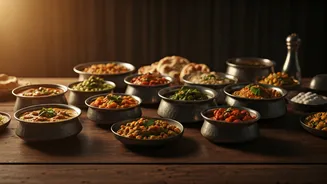
For many Americans, Indian cuisine has long been synonymous with the rich, creamy gravies of Punjab. This wasn't by accident. When the first Indian restaurants opened in the U.S. and the U.K., they were largely run by immigrants from this northern region.
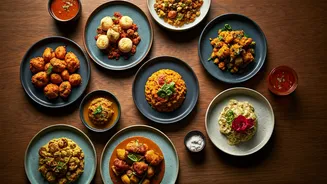
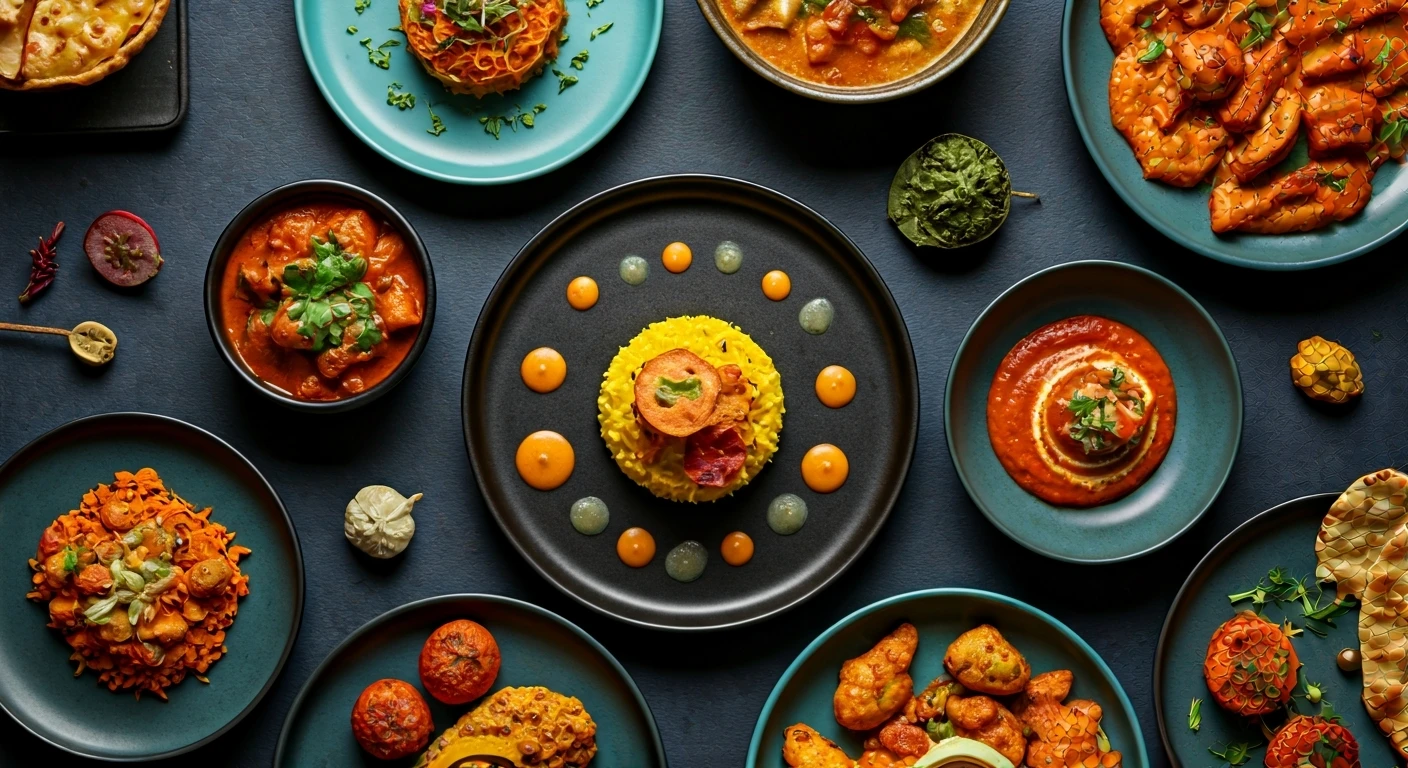
They served what they knew, and what's more, they served what worked: comforting, mildly spiced, and accessible dishes that became a global brand. Think butter chicken, palak paneer, and mountains of fluffy naan. This was the "Indian food" that conquered the world—a simplified, delicious, but ultimately incomplete picture of a subcontinent's worth of culinary traditions. It created a powerful but narrow perception, flattening thousands of years of diverse food history into a single, predictable buffet line.
The Rise of the Regional Champion
The tide is turning, driven by a new generation within India and abroad. Millennial and Gen Z chefs, food bloggers with millions of Instagram followers, and proud home cooks are rejecting the monolithic menu. They are becoming champions of their own heritage, unearthing recipes from their grandmothers' kitchens and celebrating ingredients unique to their specific regions. Suddenly, the conversation is shifting from "Indian food" to the distinctive cuisines of Bengal, with its delicate mustard-laced fish; Goa, with its Portuguese-influenced vinegary curries; Kerala, with its coconut-rich coastal stews; and Nagaland, with its fiery ghost peppers and fermented bamboo shoots. These culinary storytellers are using social media, pop-up dinners, and beautifully crafted cookbooks to prove that India's culinary map is as diverse as its linguistic and cultural landscape.
A New Kind of Currency
The headline's claim of "food currency" isn't just a metaphor; it's an economic reality. In cities like Mumbai, Delhi, and Bangalore, the hottest new restaurants are those specializing in a single regional cuisine. A restaurant dedicated to the complex vegetarian thalis of Gujarat or the spicy, aromatic cooking of Chettinad in Tamil Nadu is now a bigger draw than another generic "North Indian" spot. This focus creates tangible value. Food entrepreneurs are launching direct-to-consumer brands that sell everything from authentic Malabar curry paste to single-origin Alleppey turmeric. Food tourism is booming, with travelers seeking out culinary tours that promise a taste of undiscovered local specialties. In this new economy, authenticity is the asset, and a deep knowledge of a specific regional palate is the skill that pays dividends, both in financial terms and in cultural capital.
The Trend Arrives in America
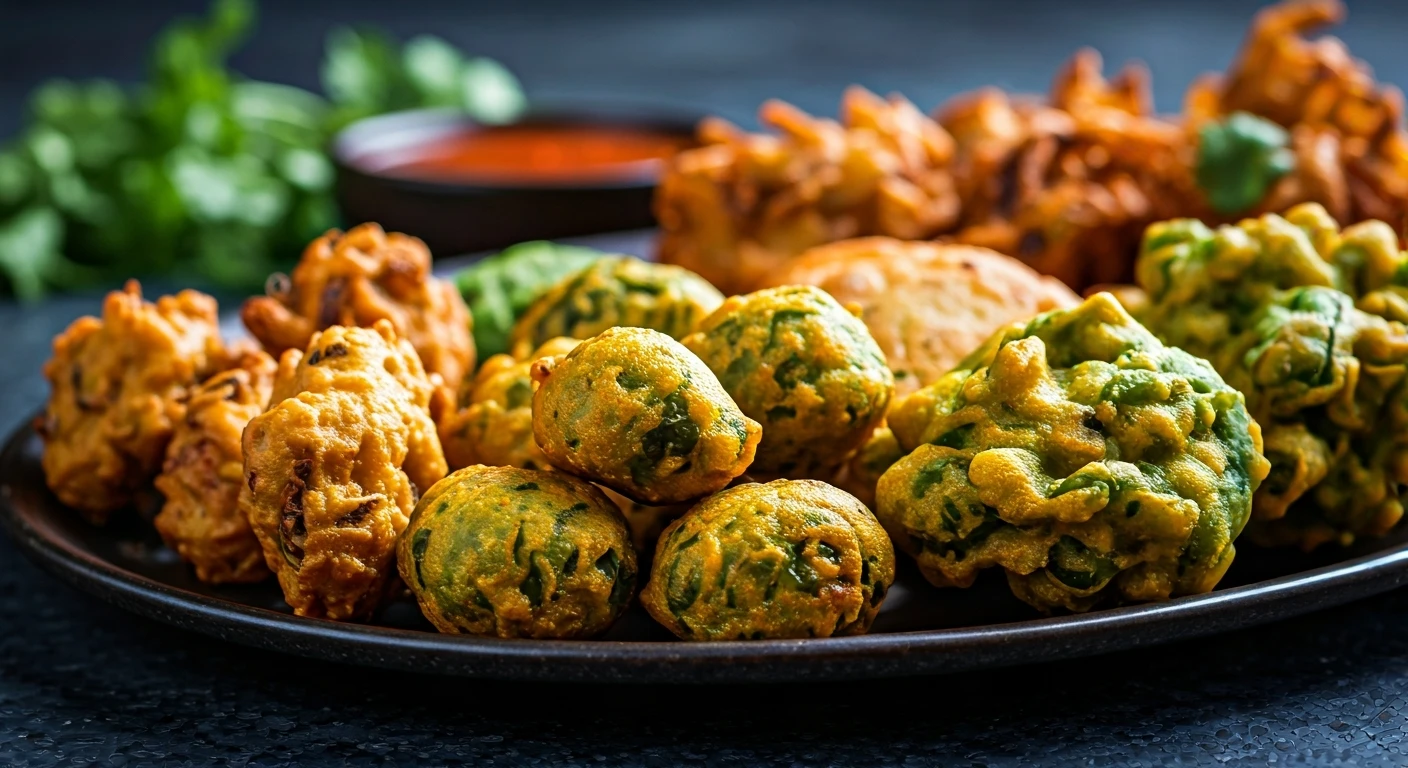
This hyper-regional wave is beginning to crash on American shores. While still nascent, the signs are there for the adventurous diner. In cities with large South Asian diasporas like New York, Houston, and the Bay Area, new restaurants are proudly marketing themselves not as "Indian," but as "Bengali," "South Indian," or "Goan." Menus are becoming more specific, offering dishes like dosa (a savory crepe from the south) in dozens of variations, or appam with stew, a classic breakfast from Kerala. Diners are being educated by chefs who are eager to explain the origin of a dish and the story behind it. This shift challenges American palates to move beyond the familiar comfort of a tikka masala and embrace a world of sour, spicy, fermented, and fresh flavors that have been there all along, just waiting to be discovered.