







What Exactly Is Ragi Flour?
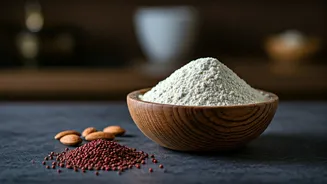
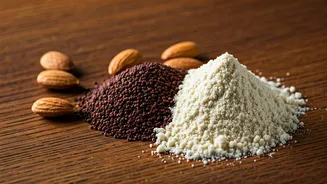
If ragi flour isn’t already in your pantry, you’re not alone. But this humble ingredient, also known as finger millet, is an ancient grain that has been a staple in parts of Africa and Asia for centuries. Milled from the small, reddish seeds of the finger millet plant,
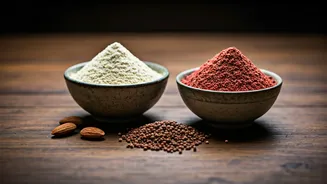
ragi flour has a distinct, slightly earthy and nutty flavor that adds a wonderful depth to baked goods. Nutritionally, it’s a star. Ragi is naturally gluten-free and celebrated for being a significant plant-based source of calcium, which is crucial for bone health. It's also rich in dietary fiber, which aids digestion and helps you feel fuller for longer. Unlike refined white flour, ragi is a complex carbohydrate, meaning it releases energy more slowly. Don't be surprised by its color; its grayish-brown hue will lend a darker, richer look to whatever you’re baking.
The Perfect Partner: Almond Flour
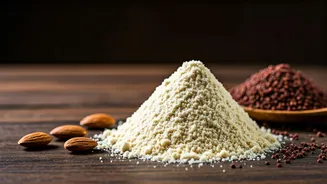
While ragi is fantastic, it can be dense and a little intense on its own. That’s where almond flour comes in. Made from finely ground blanched almonds, almond flour is a favorite in low-carb and gluten-free baking for good reason. It brings a natural, subtle sweetness and a tender, moist crumb to recipes. Its high protein and healthy fat content helps create structure and richness, preventing the final product from becoming too dry or crumbly—a common issue with some gluten-free flours. By blending it with ragi, you get the best of both worlds. The almond flour lightens the density of the ragi, softens its earthy flavor notes with a familiar nuttiness, and boosts the overall protein and fat content, making for a more balanced and satisfying baked good. Together, they create a complete, gluten-free blend that’s as delicious as it is nutritious.
Why This Blend Is a 'Healthier' Choice
The term 'healthy' can be subjective, but when you compare an almond-ragi blend to standard all-purpose white flour, the benefits are clear. First, this blend is inherently gluten-free, making it a fantastic option for those with celiac disease or gluten sensitivity. Second, its nutritional profile is far more robust. You’re getting significantly more fiber, protein, and micronutrients like calcium and iron. This combination helps promote satiety, meaning a cookie or muffin made with this blend is more likely to keep you feeling full and satisfied than one made with refined flour. Furthermore, both ragi and almond flour have a lower glycemic index. This means they are less likely to cause the rapid spikes and subsequent crashes in blood sugar associated with refined starches, providing more stable, sustained energy.
Getting Started: Tips for Baking Success
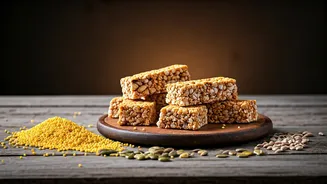
Ready to give it a try? The key to using this blend is balance. A good starting point for most recipes is a ratio of 1 part ragi flour to 3 parts almond flour. This gives you the nutritional benefits of ragi without its flavor and density overwhelming the final product. As you get more comfortable, you can experiment with increasing the ragi for a heartier texture. This blend shines in recipes that are naturally dense and moist. Think brownies, banana bread, pancakes, hearty cookies, and muffins. It may not be the best choice for light, airy angel food cakes or delicate pastries that rely on gluten for structure. Remember that the dough or batter might be a bit darker than you're used to—embrace it! The result will be a baked good with a uniquely rich color, a complex and satisfying flavor, and a texture that’s tender and wonderfully moist.