




The Time Crunch vs. Tradition
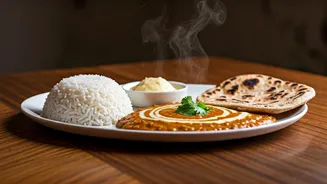
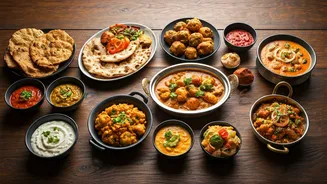
For generations, the Indian lunch was an anchor of the day, a hearty affair often involving multiple components prepared with time-consuming care. Think of a platter with dal (lentils), sabzi (vegetable curry), roti or rice, yogurt, and a pickle. While
beautiful and nourishing, this model was built for a different era, one with different family structures and work rhythms. Today, in bustling U.S. households and for the global Indian diaspora, the three-hour prep time for a midday meal is a luxury few can afford. The reality of back-to-back Zoom calls, school pickups, and the standard 30-minute lunch break has rendered the traditional, elaborate lunch impractical for everyday life. The challenge, then, becomes a cultural one: how do you honor a rich culinary heritage without being chained to its most time-intensive practices?
Meet the New Lunchtime Heroes
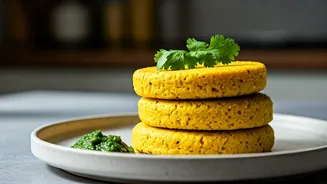
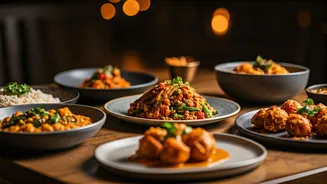
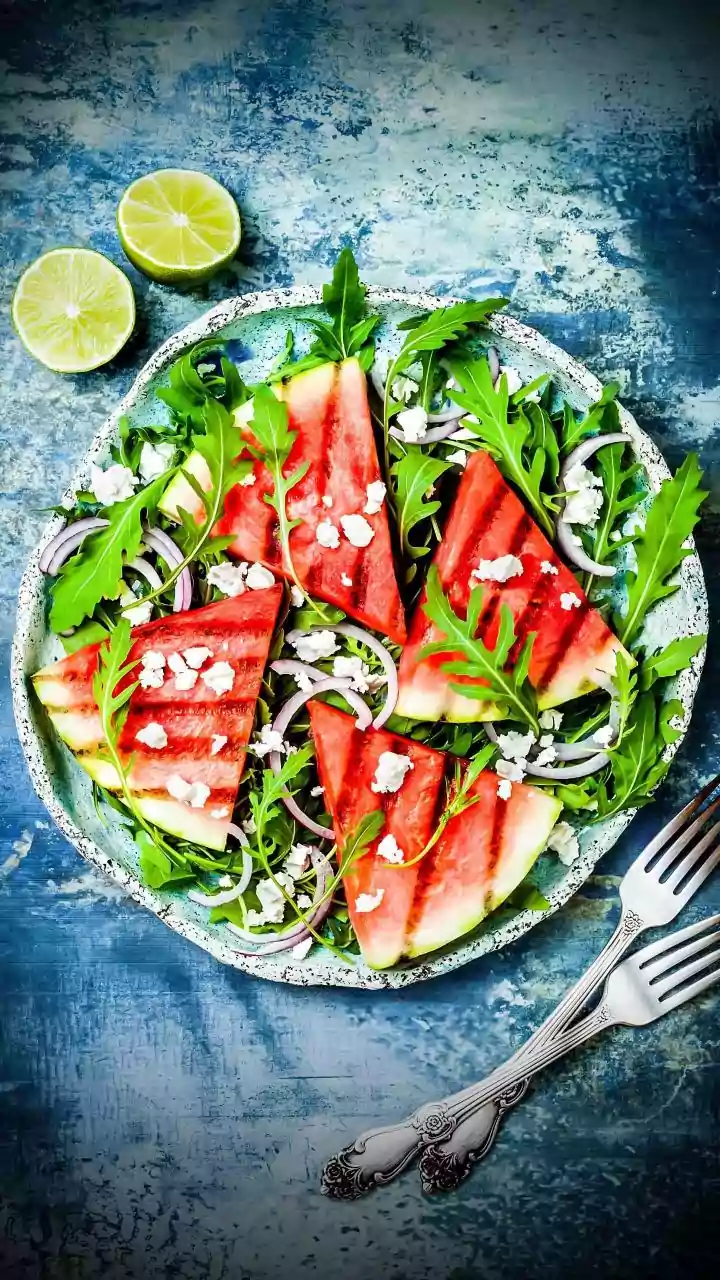
The answer isn't a rejection of Indian flavors but a clever repackaging. The sprawling thali is being deconstructed and reassembled into faster, lighter, and more portable formats. Enter the era of the 'Indian bowl,' the spiced wrap, and the vibrant salad. Instead of a separate dal and rice, you now have a hearty quinoa bowl topped with black bean masala and a dollop of yogurt. The classic aloo gobi (potato and cauliflower) finds a new life tucked into a whole wheat tortilla with mint-cilantro chutney. Leftover chicken tikka from last night's dinner is shredded into a bed of mixed greens with a zesty lemon-turmeric vinaigrette. These aren't fusion dishes in the traditional sense; they are adaptations. They keep the soul of the original—the spices, the core ingredients, the balance of flavors—but deliver it in a format that fits a modern, health-conscious, and time-poor schedule.
The Instant Pot and Other Kitchen Allies
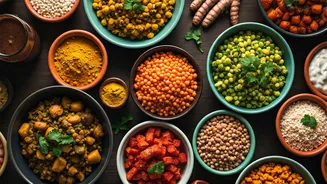
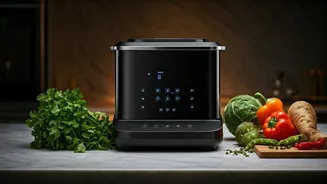
This lunchtime revolution couldn't have happened without a little help from technology. The single biggest enabler of faster Indian cooking in American kitchens has been the electric pressure cooker, most notably the Instant Pot. This countertop gadget has become a non-negotiable staple, a silent partner that drastically cuts down cooking times for staples that once required hours of simmering or soaking. Lentils and chickpeas, the protein-rich backbone of many vegetarian Indian meals, can be cooked from dry to tender in under 30 minutes. A complex rajma (kidney bean curry) that once bubbled on the stove for hours is now a weeknight possibility. By automating and speeding up the most laborious steps, the Instant Pot frees up home cooks to focus on flavor, making a nourishing, home-cooked Indian lunch a realistic daily goal rather than a weekend project.
An Evolution, Not an Abandonment
It’s easy to view this shift as a loss of tradition, but that misses the point. Culinary cultures are not static artifacts preserved in amber; they are living, breathing things that evolve with the people who practice them. This move toward faster, lighter lunches is less about abandoning heritage and more about ensuring its survival. By adapting recipes to fit their new reality, Indian-American home cooks are keeping their food culture relevant and accessible for themselves and the next generation. They are teaching their children the flavors of home, just in a different package. It’s a creative and pragmatic solution that proves the spirit of a cuisine lies in its flavors and its ability to nourish, not in the number of hours spent at the stove.