

The End of the Visa Scramble
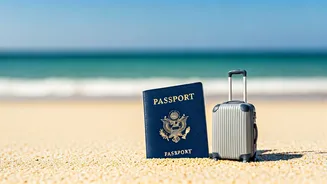
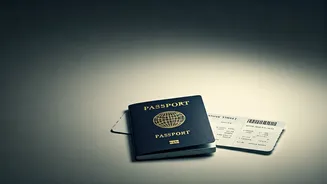
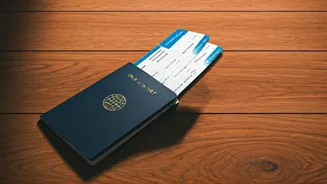
For decades, international travel for many Indian passport holders was a complicated affair, involving stacks of paperwork, embassy appointments, and weeks of anxious waiting for visa approval. A spontaneous trip abroad was largely out of the question.
But that’s changing, and fast. In a bid to capture a slice of India's booming tourism market, several nearby countries have thrown open their doors. Nations like Malaysia, Thailand, and Sri Lanka have recently waived visa requirements entirely for Indian citizens for set periods, while others like Vietnam have streamlined their visa-on-arrival processes. This policy shift has effectively dismantled the biggest barrier to short-notice international travel. Instead of a multi-week planning cycle, a trip to Kuala Lumpur or Bangkok can now be booked with the same ease as a flight to another Indian state. It’s a game-changer that turns a far-flung dream into a feasible weekend plan.
From Local Jaunts to International Hops
Chennai, a major economic hub on India’s southeastern coast, is perfectly positioned to capitalize on this new freedom. With a large population of well-paid tech and manufacturing professionals and a major international airport, the city has become a hotbed for this trend. A direct flight from Chennai to Colombo, Sri Lanka, is shorter than a flight to Delhi. Kuala Lumpur is just a four-hour journey away. Previously, a three-day weekend for a Chennai resident might have meant a drive to the French colonial town of Puducherry or the hill stations of the Western Ghats. These are beautiful destinations, but they are familiar. Now, that same 72-hour window can be spent exploring an entirely different country and culture. Travel agencies in the city report a surge in bookings for three- and four-day packages to these newly accessible Southeast Asian destinations, often made just a week or two in advance.
What a 'Bigger' Weekend Looks Like
So what does one of these super-sized weekend plans entail? It’s about maximizing a short burst of time. A traveler might leave Chennai on a Friday night, wake up in Bangkok on Saturday morning, and spend the day exploring the Grand Palace and floating markets before diving into the city’s legendary street food scene. Sunday could be spent shopping for bargains or getting a traditional Thai massage before catching an evening flight back home, ready for work on Monday. Another popular itinerary is a quick hop to Malaysia to see the Petronas Towers in Kuala Lumpur, explore the Batu Caves, and feast on a mix of Malay, Chinese, and Indian cuisine. These aren't leisurely, two-week discovery tours; they are concentrated, high-energy cultural immersions, made possible because the friction of travel has been almost entirely removed.
The Global Race for the Indian Traveler
This isn't just a story about convenience; it's about economics. These visa waivers are a calculated strategic move. India is projected to become one of the world's largest outbound travel markets, with its citizens expected to spend over $42 billion on overseas travel annually in the coming years. Countries in Southeast Asia are in a direct race to attract this new wave of tourists. By removing the visa hurdle, they gain a significant competitive advantage. Every Indian tourist who chooses a visa-free trip to Thailand over a destination that requires paperwork is a win for the Thai economy, boosting its hotels, restaurants, and local attractions. This trend is a powerful illustration of the rising economic clout of India's middle class and how their choices are reshaping global tourism maps in real time.