



Redefining Kitchen Scraps
In professional kitchens, the pursuit of perfection often generates a surprising amount of waste. Perfectly diced vegetables leave behind uneven ends, herb garnishes require sacrificing the stems, and juiced citrus leaves behind a mountain of spent peels.
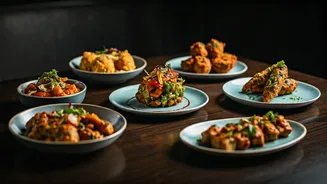
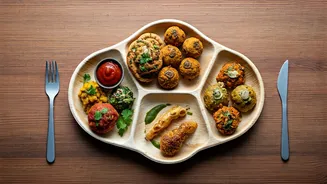
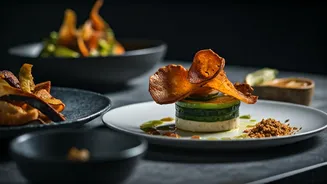
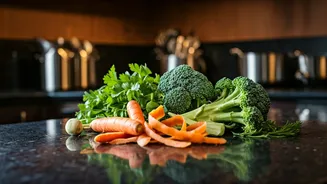
For years, this was simply the cost of doing business. But in a growing number of innovative Indian restaurants across the United States, that cost is being reimagined as an opportunity. Chefs are embracing a “root-to-stem” or “nose-to-tail” philosophy, viewing every part of an ingredient as a potential star. This isn’t about dumpster diving; it’s about culinary alchemy. Vegetable peels are being transformed into crispy, spiced snacks. Watermelon rinds, typically discarded, are pickled into tangy accompaniments. Broccoli and cauliflower stems, often seen as tough and undesirable, are being slow-cooked into tender, flavorful sabzis (vegetable dishes). It’s a movement that reframes “scraps” as “byproducts” and asks a simple, powerful question: why throw away flavor?
A Story of Resourcefulness
For many of these chefs, this practice is more than just a nod to modern sustainability—it's a deeply personal connection to their heritage. In many Indian households, resourcefulness isn't a trend; it's a way of life. Grandmothers have been using vegetable peels and leftover rice for generations, born from a cultural ethos of respecting food and making the most of what you have. This concept, sometimes referred to as *jugaad*—a sort of frugal, clever innovation—is now finding its voice on fine-dining menus. By incorporating these ingredients, chefs are telling a story that goes far beyond the plate. Each dish becomes a conversation about tradition, ingenuity, and the hidden potential in the overlooked. When a menu explains that its house-made cordial is crafted from the peels of the lemons juiced for another dish, it invites the diner into the restaurant's philosophy. It’s an act of transparency that builds a connection between the diner, the chef, and the food's journey from farm to fork—and back again.
The Innovators on the Menu
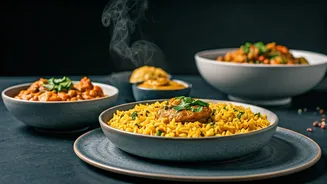
This trend is most visible in establishments pushing the boundaries of what American diners expect from Indian food. In New York City, acclaimed chefs like Chintan Pandya of Dhamaka and Semma have built their reputations on celebrating regional Indian cuisines with uncompromising authenticity. This includes using parts of ingredients that are common in Indian home cooking but rarely seen in U.S. restaurants. While not always framed as “waste,” the principle of using the whole ingredient is central to their cooking. Elsewhere, the application is even more direct. You might find a bar program creating oleo-saccharum—a sweet, citrusy syrup—from spent lemon and lime husks to build complex, low-waste cocktails. Some kitchens collect the fibrous stems of herbs like cilantro and mint, blending them into intensely flavorful marinades and chutneys that possess a different, earthier character than the leaves alone. These aren't just eco-friendly footnotes; they are culinary decisions that add unique layers of flavor and texture, proving that sustainability can also be delicious.
Changing Perceptions of Indian Cuisine
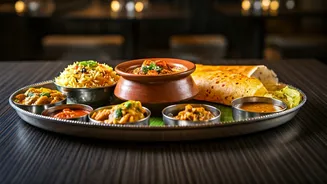
For decades, Indian food in America was often simplified, relegated to a predictable rotation of cream-laden curries and tandoori staples. The “waste-to-wonder” movement is part of a much larger shift. It signals a new confidence in presenting Indian food in its full complexity, intelligence, and diversity. It aligns Indian cooking with the global fine-dining conversation around sustainability, a topic previously dominated by New Nordic restaurants like Noma. By turning byproducts into menu highlights, these chefs are challenging diners to see Indian cuisine not as a static tradition, but as a living, evolving art form. It’s a powerful statement that the principles of modern, conscious cooking have been embedded in Indian culinary culture for centuries. This isn't just about saving the planet, one vegetable peel at a time; it’s about giving Indian food the narrative depth and respect it has always deserved.