



The End of 'Roughing It'
For generations, the American wilderness getaway followed a familiar script. It involved a certain degree of ruggedness—a willingness to trade comfort for authenticity. Think knotty pine walls, mismatched furniture, and the faint smell of campfire smoke
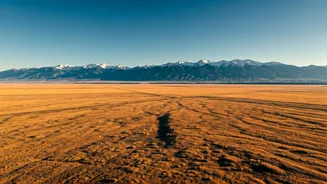
clinging to everything. This was the trade-off: to get close to towering redwoods or sprawling desert mesas, you had to embrace the 'roughing it' ethos. But that contract is being rewritten. A quiet revolution is taking place in the woods, deserts, and mountainsides of the U.S. The new nature lodge is less about rustic nostalgia and more about curated, design-forward experiences. It’s a place where the architecture is as breathtaking as the landscape, and the thread count on the sheets is as high as the elevation. This isn't just 'glamping' with a better tent; it's a fundamental reimagining of the relationship between luxury, design, and the great outdoors.
Where Nature Meets Minimalist Design
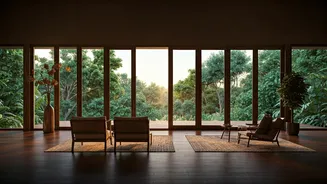
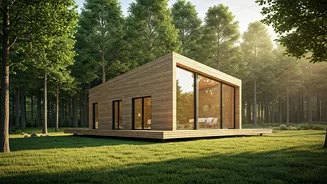
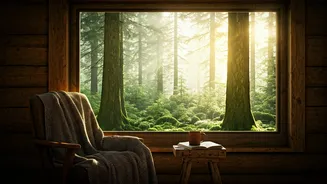
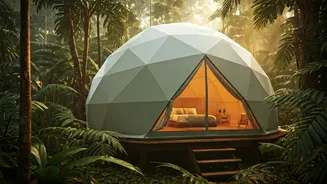
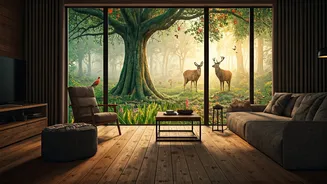
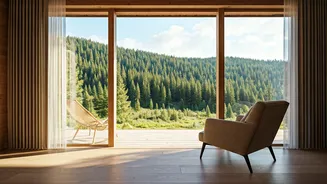
So, what does this makeover look like on the ground? It’s defined by a distinct aesthetic that prizes seamless integration with the environment. Picture floor-to-ceiling glass walls that frame a mountain peak like a living work of art, or private cabins built with blackened timber and corten steel that seem to rise organically from the forest floor. The style often borrows from Scandinavian minimalism and Japanese principles of simplicity, emphasizing natural materials like light woods, polished concrete, and local stone. Inside, the focus is on what designers call 'quiet luxury.' Instead of ostentatious decor, you’ll find bespoke furniture from local artisans, deep soaking tubs with panoramic views, and amenities that speak to a modern sensibility: pour-over coffee stations, yoga mats, and high-speed Wi-Fi (for those who want to stay connected, of course). The goal isn't to distract from the nature outside, but to create a serene, comfortable cocoon from which to appreciate it. It’s about feeling immersed in the wild, without any of the inconvenience.
The Post-Pandemic Push Outdoors
This trend didn’t appear out of nowhere. It’s the result of several converging cultural currents, supercharged by the pandemic. The lockdowns of 2020 and 2021 created a massive, pent-up demand for open spaces and fresh air. City dwellers who had never considered a hiking trip were suddenly desperate for a connection to the natural world. But this new wave of nature-seekers wasn't necessarily composed of seasoned backpackers. They were accustomed to the comforts and aesthetics of urban boutique hotels and wanted a similar experience in a wilder setting. Hospitality brands saw an opportunity. They realized there was a huge, underserved market for travelers who crave both adventure and impeccable style. These guests want to hike a challenging trail during the day and return to a perfectly designed room, a craft cocktail, and a gourmet meal in the evening. Social media also plays a role; these architecturally stunning lodges are magnets for Instagram, providing free marketing as guests share images of their picture-perfect escapes.
Pioneers of the New Wilderness
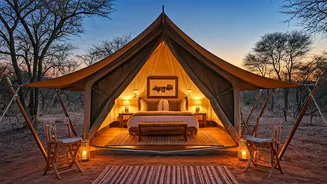
This movement is no longer a niche. It’s becoming a defining feature of modern American travel. Look at AutoCamp, which has elevated the Airstream experience into a chic getaway with custom-designed trailers and clubhouse-style lodges in locations from Yosemite to Zion. Or consider The Green O in Montana, a collection of stunning, adults-only 'hauses' with forest views and hyper-modern architecture, offering a stark contrast to the traditional ranch aesthetic. In Utah, properties like Amangiri and the newer Under Canvas outposts have demonstrated that the desert is a perfect canvas for minimalist luxury. Even in established destinations like the Catskills and Hudson Valley, new lodges are popping up that prioritize sleek design and curated experiences over old-school country charm. These pioneers are proving that style and substance can coexist beautifully, even miles from the nearest city.