



Not Your Supermarket Mango
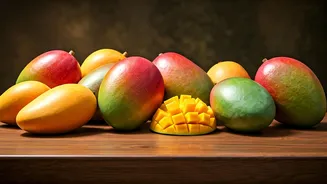
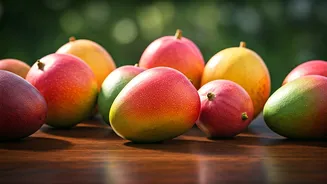
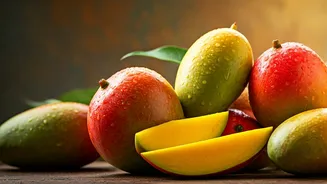
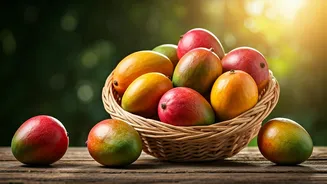
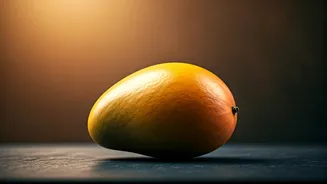
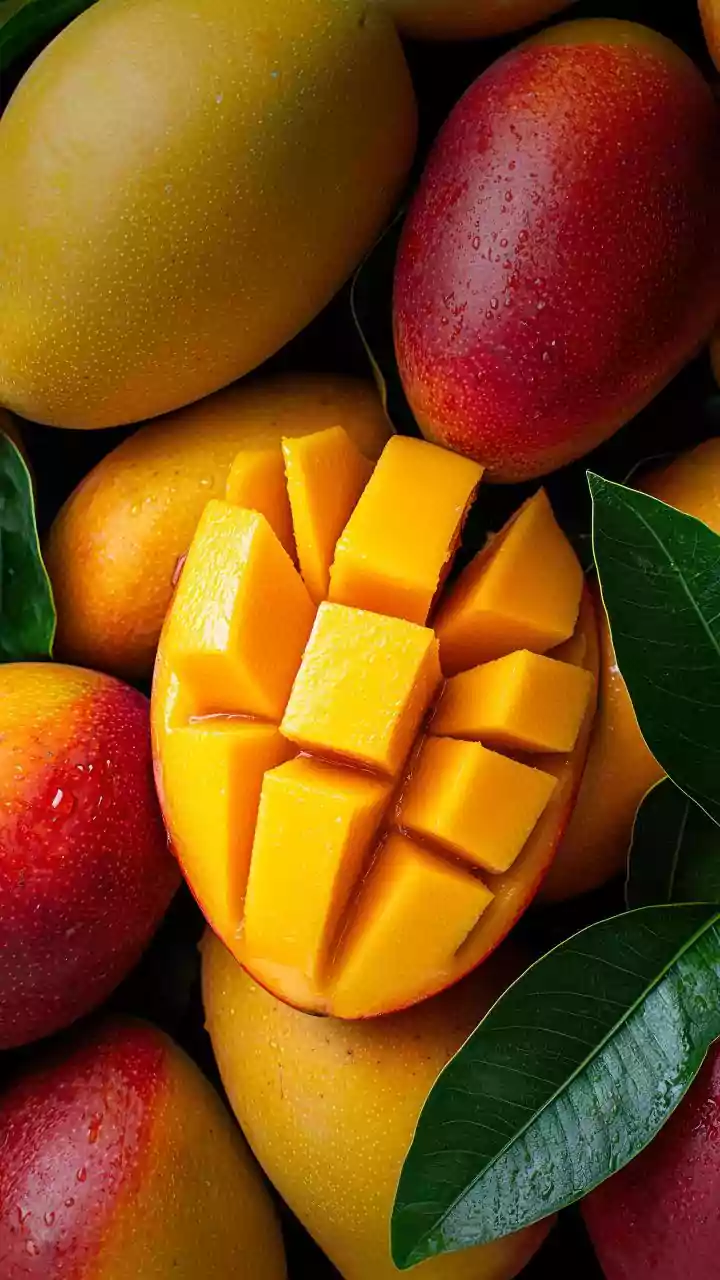
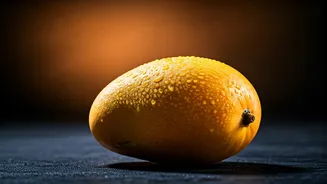
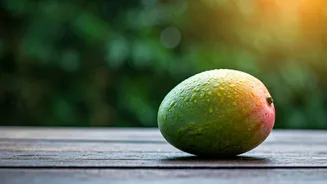
Let’s be clear: the mango taking over dessert menus is not the fibrous, mildly sweet red-and-green variety you might find piled high at a typical grocery store. We’re talking about the Desi mango, a category of fruit from the Indian subcontinent that
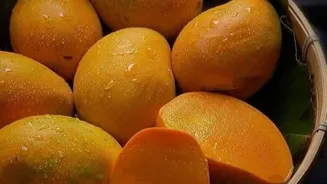
inspires near-religious devotion. Varieties like the Alphonso from Maharashtra or the Kesar from Gujarat are not just fruits; they are cultural touchstones, their annual, fleeting appearance a cause for national celebration. For millions in India and across the South Asian diaspora, the arrival of mango season is a sensory marker of summer’s true beginning. It evokes childhood memories of sticky fingers, juice-stained clothes, and families gathering to share boxes of the prized fruit. The flavor profile is on a different level: intensely sweet but complex, with notes of honey, citrus, and even a hint of spice. It’s this rich, perfumed pulp that makes it the undisputed “king of fruits” and the perfect ingredient for a dessert revolution.
The Golden Makeover
So, how is this regal fruit getting its “twist”? By transforming familiar Western desserts into something new and exciting. The creamy, tangy canvas of a New York cheesecake is the perfect foil for a swirl of sweet Kesar mango puree, often with a hint of cardamom in the crust. The delicate Italian panna cotta, traditionally served with berries, is now being set with mango and infused with saffron, creating a wobbly, jewel-toned custard that’s both elegant and exotic. Ice cream and sorbet are perhaps the most natural vehicles for this trend. Small-batch creameries and even national brands are moving beyond simple mango flavor to create Mango Lassi-inspired frozen yogurts, complete with the tang of yogurt and a hint of rosewater. You'll find mango sticky rice ice cream, which borrows from the Thai classic, and vegan mango sorbets so rich and velvety they taste like they’re full of cream. It’s not just about adding a fruit; it’s about a thoughtful integration of flavor that elevates both the mango and the dessert itself.
From Nostalgia to Mainstream
This trend isn’t happening in a vacuum. It’s being driven by a generation of South Asian American chefs, bakers, and food bloggers who are proudly sharing their culinary heritage. They grew up with these flavors, and now they are reinterpreting them for a broader American audience. For them, a mango cheesecake isn't just a dessert; it’s a delicious reconciliation of their dual identities—the American classic they grew up seeing on TV, fused with the flavor of home and family. Social media has acted as a massive accelerator. A picture of a glistening mango tart or a perfectly layered mango tiramisu is instantly shareable and visually stunning, inspiring home cooks to experiment and diners to seek out these creations. As American palates have become more adventurous, the demand for authentic, bold, and interesting flavors has exploded. The Desi mango, with its complex sweetness and deep cultural roots, was perfectly positioned to meet that demand.
How to Get the Twist at Home
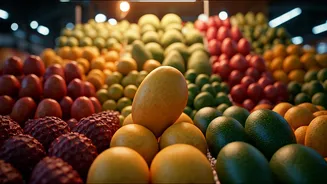
Ready to try it? You don't have to be a pastry chef. The key to unlocking this flavor at home is sourcing the right product. During the summer, you might find fresh Alphonso or Kesar mangoes at specialty Indian or international grocery stores, but be prepared for a premium price. For a more accessible and year-round option, look for canned mango pulp. Brands like Swad and Deep offer pulp from Kesar or Alphonso mangoes, which is what many restaurants and home cooks use. It’s already sweetened and has a consistent, powerful flavor that’s perfect for swirling into yogurt, blending into smoothies, or using as a base for no-bake desserts. Simply folding a cup of this pulp into a standard cheesecake batter or vanilla ice cream base before baking or churning can completely transform your summer dessert game.