



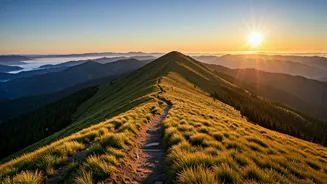
More Than a Hiking Trip
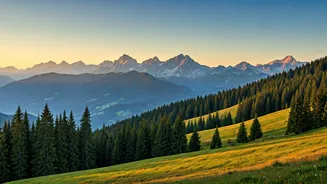
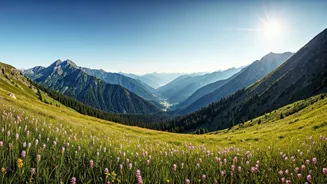
Forget the traditional mountain getaway defined by ski lifts and trail maps. A different kind of traveler is heading for the hills, seeking something less tangible than a summit photo. Across America’s mountain ranges, from the Appalachians in North Carolina
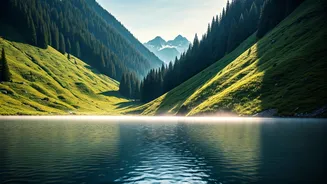
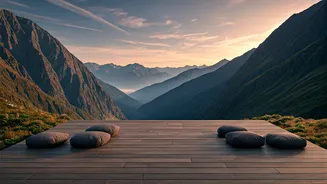
to the Rockies in Colorado and the vortexes of Arizona, spiritual gatherings are becoming a dominant force in local tourism. These aren’t tied to any single religion. Instead, they encompass a broad spectrum of wellness and self-discovery practices: multi-day yoga retreats, silent meditation workshops, sound baths under the stars, and guided journeys focused on mindfulness and nature connection. Participants aren't just booking a room; they're buying an experience. They come to disconnect from their hyper-digital lives and reconnect with themselves, and they see the serene, powerful landscapes of mountain towns as the ideal setting for that inner work.
The New Mountain Economy
This shift is creating noticeable ripples in local economies that once relied solely on seasonal adventure sports. While a skier's budget might be allocated to lift tickets and gear rental, a wellness tourist’s spending is different. They invest in high-value workshops, private healing sessions, organic meals, and locally made artisanal goods. Tourism officials in towns like Sedona, Arizona, and Asheville, North Carolina, have noted this evolution. These visitors often travel during the “shoulder seasons”—the spring and fall months that are typically slower—which helps businesses maintain a more consistent, year-round revenue stream. Instead of packing restaurants on Saturday nights, they fill them for healthy lunches on a Tuesday. Hotels and short-term rentals that cater to this demographic, offering quiet spaces and natural aesthetics, command premium rates. This isn’t about replacing the old tourism model but adding a new, resilient, and often more lucrative layer to it.
A Search for Connection and Quiet
What’s driving this migration toward mindful mountain travel? Experts point to a confluence of cultural currents. The stress and isolation of modern life, amplified by the pandemic, have left many Americans feeling burned out and searching for deeper meaning. The wellness industry, now valued in the trillions globally, has moved from a niche interest to a mainstream priority. For many, a vacation is no longer about escapism but about personal growth. Mountains have always held a symbolic power in the American imagination—a place of challenge, perspective, and raw beauty. By combining that natural grandeur with structured spiritual practice, these gatherings offer a potent antidote to the noise of everyday existence. It’s a chance to trade screen time for silent reflection and urban clamor for the sound of wind in the pines. This isn't just a trend; it's a response to a collective yearning for peace.
Growing Pains and Local Tensions
The boom isn't without its challenges. In some communities, the influx of spiritual seekers has created cultural friction. Long-time residents, accustomed to a town identity built on ranching, mining, or outdoor sports, can sometimes view the new scene with skepticism. The very popularity of these destinations can lead to the problems they promise to solve: traffic, overcrowding, and a rising cost of living that pushes out the local workforce. Housing markets in popular wellness hubs can become prohibitively expensive, and the character of a town can feel like it's being reshaped for a transient, affluent clientele. Balancing the economic benefits of this new tourism with the preservation of local culture and affordability is the critical challenge facing town councils and community leaders from the Blue Ridge to the Sierra Nevada. The soul of the town, some argue, is just as important as the spiritual journeys of its visitors.