



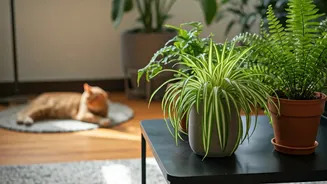


The Rise of the Pet-First Plant Parent
For years, the advice for pet owners who wanted houseplants was simple: don't. The risk of a curious cat nibbling on a toxic lily or a playful puppy chewing a poisonous sago palm was too great. But as houseplants became a cornerstone of modern interior
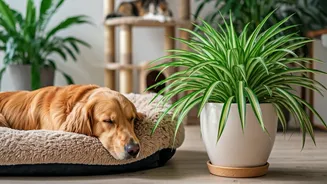
design and a wellness staple during the pandemic, a compromise was needed. Enter the era of the pet-first plant parent. This isn't just about avoiding danger; it's about mindfully curating a living space that nurtures every member of the family, furry ones included. The good news is that you don't have to choose between a lush, green home and your pet's safety. A huge variety of beautiful, air-purifying, and mood-boosting plants are completely non-toxic, making them the new essential for a harmonious home.
1. The Unkillable Classic: Spider Plant
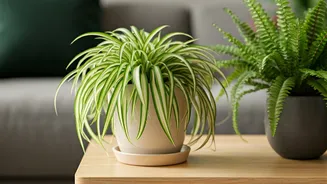
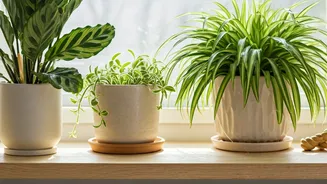
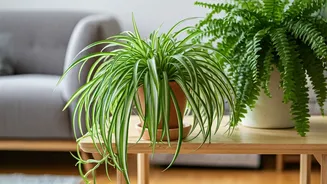
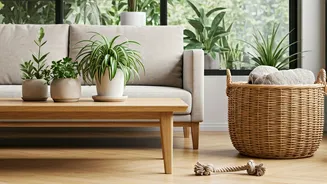
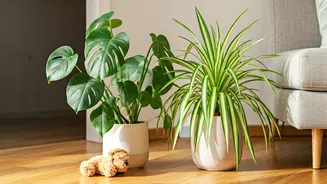
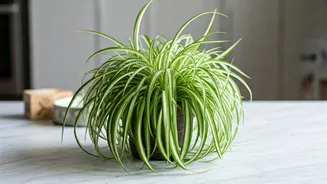
If you're new to plants, start here. The Spider Plant (Chlorophytum comosum) is legendary for its resilience and air-purifying qualities. Its arching green-and-white striped leaves look fantastic in hanging baskets, keeping them playfully out of reach while still being perfectly safe if a stray tendril is chewed on. These plants are incredibly forgiving, tolerating a wide range of light conditions and watering schedules. They also produce little “spiderettes” or baby plants that can be easily propagated, so you can fill your home with free, pet-safe greenery.
2. The Patterned Beauty: Calathea Family
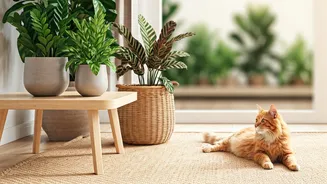
For a pop of color and intricate pattern, look no further than the Calathea family. Often called Prayer Plants because their leaves fold up at night, varieties like the Rattlesnake Plant (Calathea lancifolia) or the Peacock Plant (Calathea makoyana) offer stunning visual appeal. They boast deep greens, purples, and creams in mesmerizing designs. They are completely non-toxic to cats and dogs, so you can display their beauty on a low coffee table without worry. They do prefer higher humidity and consistently moist soil, making them a great choice for a well-lit bathroom.
3. The Tropical Vibe: Parlor Palm
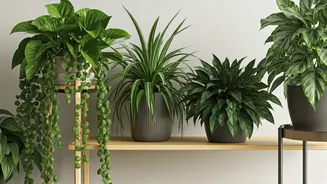
Want to create a mini indoor jungle? The Parlor Palm (Chamaedorea elegans) is your go-to. This slow-growing palm brings a touch of lush, tropical elegance to any corner and is famously non-toxic. Unlike some larger palms that can be hazardous, the Parlor Palm is consistently recommended for homes with pets. It’s a low-maintenance choice that thrives in lower light conditions, making it perfect for apartments or rooms without direct sun. Its graceful, feathery fronds add texture and height to your plant collection.
4. The Hardy Favorite: Boston Fern
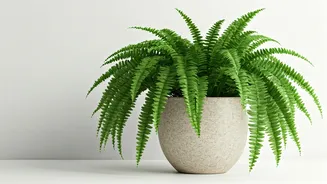
A classic for a reason, the Boston Fern (Nephrolepis exaltata) is beloved for its shaggy, ruffled fronds that create a full, vibrant look. It’s an excellent choice for adding a dose of lush green to your space and is completely pet-safe. Boston Ferns love humidity, so they feel right at home in a kitchen or bathroom. They look especially stunning on a plant stand or in a hanging planter where their foliage can cascade freely. Just be sure to keep their soil damp to prevent the fronds from turning brown.
5. The Quirky Collectible: Peperomia
The Peperomia genus is a treasure trove of pet-safe options. From the popular Watermelon Peperomia (Peperomia argyreia) with its striped, rind-like leaves, to the simple and elegant Baby Rubber Plant (Peperomia obtusifolia), there are hundreds of varieties. Most are compact, making them ideal for small spaces, windowsills, and desks. They are non-toxic and generally have low water requirements, as they store water in their fleshy leaves. This makes them a forgiving and fun-to-collect option for any pet-loving plant enthusiast.
Common Plants to Keep Away from Pets
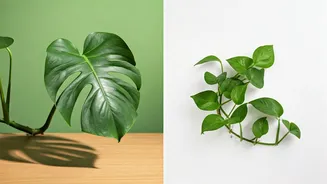
Just as important as knowing what's safe is knowing what's not. Many of the most popular houseplants are unfortunately toxic to cats and dogs. Steer clear of all types of Lilies, which are extremely poisonous to cats. Other common plants to avoid include the Sago Palm, Snake Plant (Sansevieria), Pothos, Philodendron, ZZ Plant, and Dieffenbachia (Dumb Cane). Always double-check a plant's toxicity on a reputable resource like the ASPCA's plant list before bringing it home. If you suspect your pet has ingested a toxic plant, contact your veterinarian or the ASPCA Animal Poison Control Center immediately.