
Beyond the Price Tag
For decades, luxury in the food world was straightforward: a tin of beluga caviar, a perfectly aged steak from a famous chophouse, a bottle of French Bordeaux with an intimidating name. The value was in the object itself—its rarity, its quality, its universally
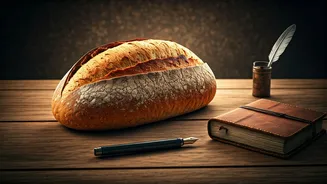
understood status. But a fundamental shift is underway. Today’s consumers, particularly Millennials and Gen Z, are increasingly prioritizing experiences over possessions. This isn't just about choosing a vacation over a new watch; it's reshaping the very DNA of the food industry. Premium is no longer just something you buy; it's something you do. The focus has moved from the 'what' to the 'why' and 'how.' A simple, delicious loaf of sourdough bread becomes premium when you know the name of the baker, see the century-old starter it came from, and understand the 48-hour fermentation process that gives it its unique character.
From Product to Performance
So what does this 'experiential premium' look like in practice? It’s a multi-sensory performance where the food is just one actor on the stage. Think of the rise of chef’s tasting menus that aren’t just a sequence of dishes, but a narrative journey through a chef’s childhood or a specific region’s history. It’s the farm-to-table dinner that takes place not in a sterile dining room, but in the actual field where the vegetables were harvested that morning, with the farmer sharing stories between courses. Even consumer packaged goods are getting in on the act. A high-end olive oil might come with a QR code that takes you on a virtual tour of the Spanish grove where the olives were grown. A craft chocolate bar might offer an online tasting class with its founder. In each case, the product is a ticket to a larger, more engaging event. It’s about participation, not just consumption.
The Search for Authenticity and Connection
This trend isn't happening in a vacuum. It’s fueled by a deep-seated desire for authenticity in an age of mass production and digital detachment. After years of perfectly curated, often sterile, Instagram feeds, people are craving realness. They want to feel connected to the food they eat, the people who make it, and the places it comes from. Sharing an experience—whether it’s a messy, hands-on cooking class or a conversation with a passionate cheesemaker—creates a powerful emotional resonance that a simple purchase cannot. This emotional investment builds powerful brand loyalty. You might forget the taste of a generic grocery store tomato, but you’ll remember the one you picked yourself from the vine. This also satisfies a need for self-improvement and storytelling; the experience gives the consumer cultural capital and a story to tell, which is often more valuable than the item itself.
The Ripple Effect on the Food Industry
This shift is forcing the entire food ecosystem to rethink its value proposition. For restaurants, it means ambiance, service, and storytelling are just as important as the menu. Pop-ups, collaborations, and themed events are becoming essential tools for generating excitement. For food producers and brands, transparency and narrative are the new currencies. The story behind the brand—the founder's mission, the sustainable sourcing, the artisanal process—is now a primary marketing asset. It’s why you see coffee bags detailing the specific cooperative in Guatemala where the beans were grown, or why a jar of honey proudly displays a photo of the beekeeper. They aren't just selling a product; they are selling a belief system, a connection to a place, and an identity that consumers are eager to align themselves with.