


An Introduction to the Konkan
For most American travelers, India conjures images of the Taj Mahal’s marble gleam or the desert palaces of Rajasthan. But stretch a map of the subcontinent and trace your finger down the western coastline, just south of the bustling metropolis of Mumbai.
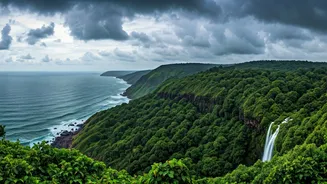
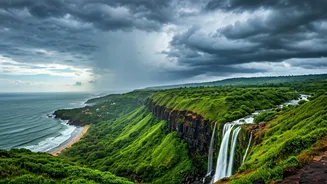
Here lies the Konkan, a ruggedly beautiful strip of land sandwiched between the Western Ghats mountain range and the Arabian Sea. For much of the year, it’s a sun-drenched region of sleepy fishing villages, historic forts, and mango groves. But when the monsoon arrives in June, the Konkan undergoes a radical, breathtaking transformation.
The Magic of the Monsoon
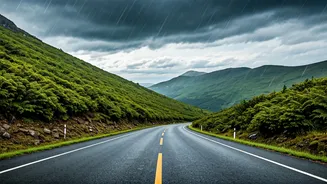
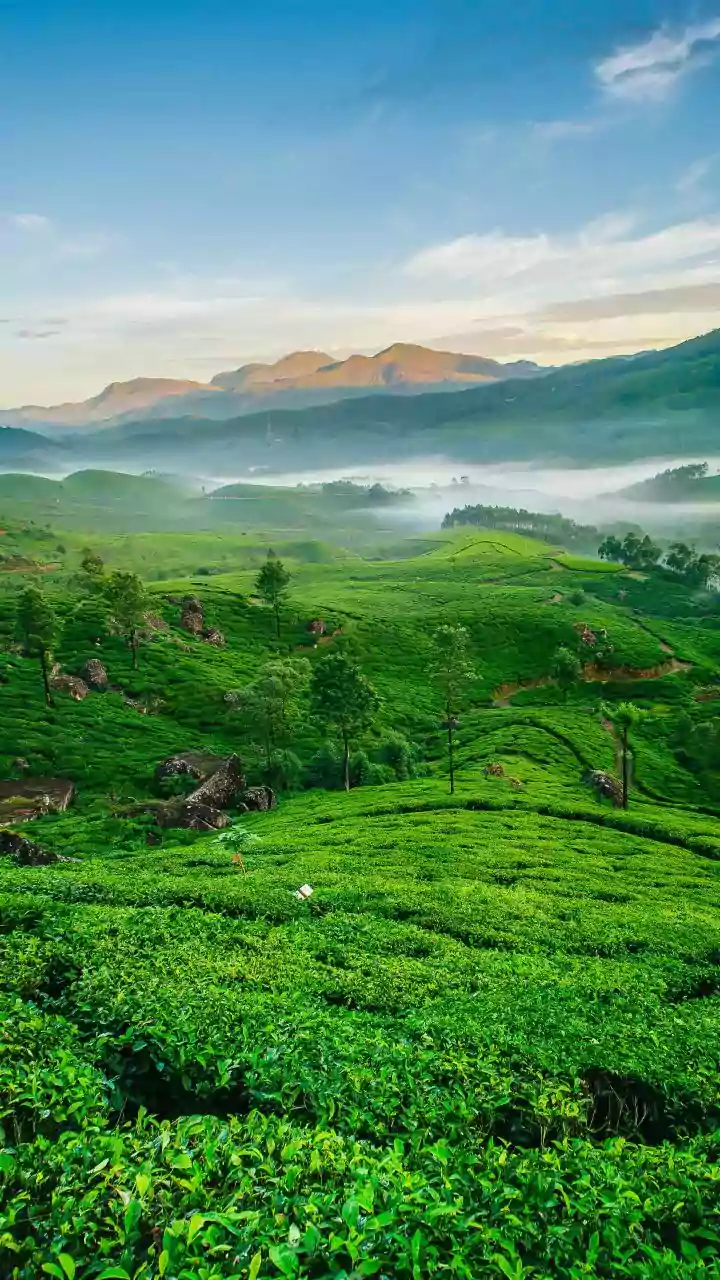
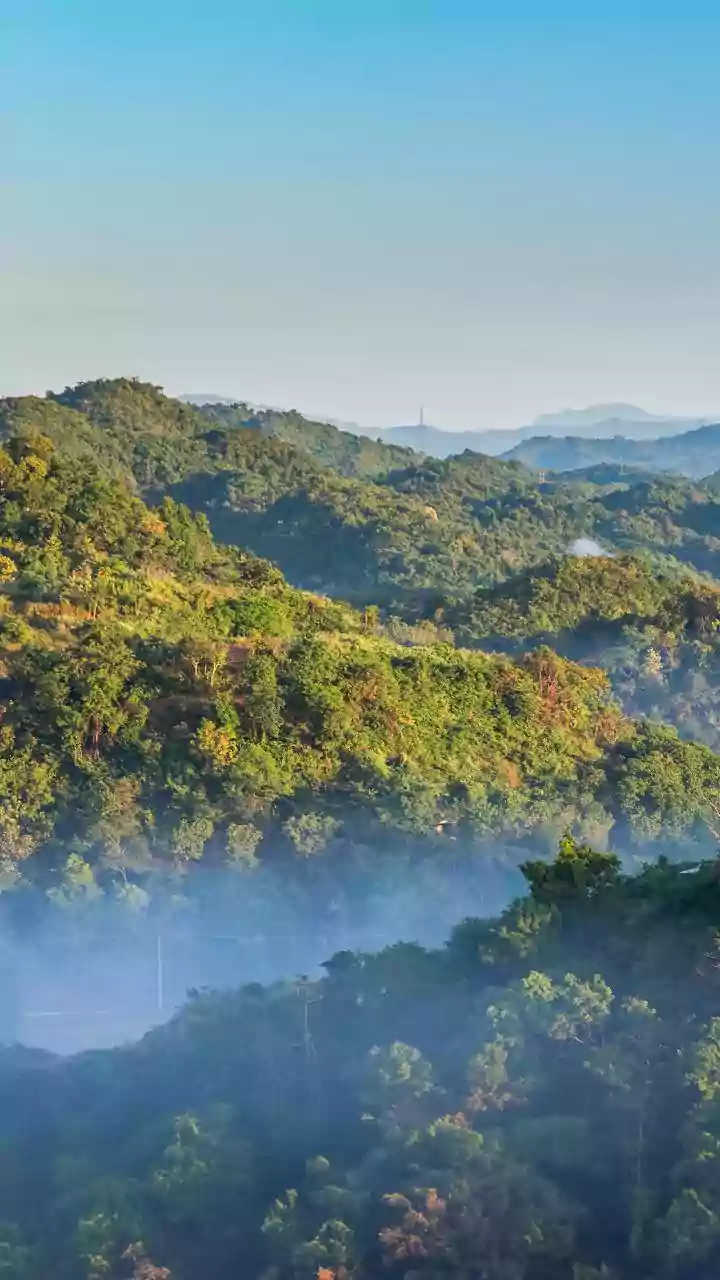
The Indian monsoon is not a gentle drizzle; it is a force of nature. It’s a theatrical, world-altering event that governs life, agriculture, and poetry. While many travel guides might mark this period—roughly June to September—as the “off-season,” on the Konkan Coast, it’s the main event. The rains saturate the parched, dusty earth, and within days, the entire landscape explodes into an impossible spectrum of greens. Hills that were brown and sleepy become cloaked in emerald velvet. Seasonal waterfalls, which don’t even exist for nine months of the year, suddenly cascade down mountain cliffs in spectacular displays. The air grows thick with the smell of wet earth, blooming wildflowers, and the salty sea breeze. It’s a sensory overload in the best possible way, a region reborn.
A Journey, Not Just a Destination
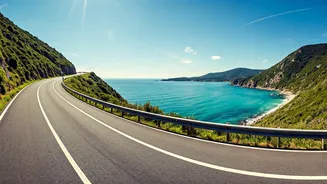
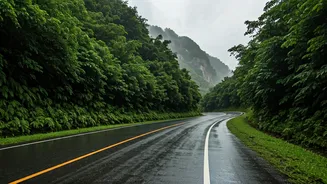
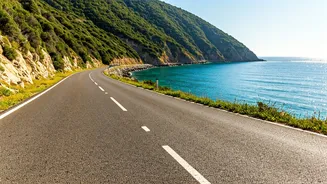
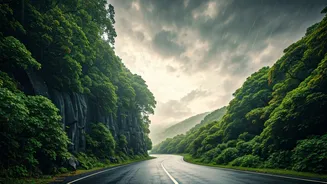
Experiencing the Konkan during the monsoon is as much about the journey as the destination. The Konkan Railway, an engineering marvel that cuts through the mountains with a series of tunnels and bridges, becomes one of the world's most scenic train rides. Staring out the window of a carriage, you see a moving mural of misty valleys, roaring waterfalls just feet from the tracks, and endless rice paddies shimmering under a sheet of water. Road trips are equally popular, with drivers navigating winding roads that hug the coastline or ascend into the cool, cloud-covered highlands of the Ghats. The goal isn’t just to arrive at a resort, but to stop at roadside stalls for roasted corn on the cob, hike to a centuries-old fort now shrouded in mist, or simply stand on a cliff and watch the clouds roll in from the sea.
A Taste of the Season
The local cuisine, already a highlight of the region, also adapts to the season. The monsoon is a time for comforting, hearty foods. Steaming plates of 'kanda bhaji' (onion fritters) and a hot cup of masala chai are the quintessential rainy-day snack, sold at countless small shacks with tin roofs that amplify the sound of the downpour. It’s a time for fresh, river-caught fish and prawns cooked in rich, coconut-based curries. Local vegetables that thrive in the wet conditions make their way into delicious preparations. Food in the Konkan is not just sustenance; it’s an integral part of the cozy, restorative atmosphere that defines the monsoon experience.
Why This Moment is Trending Again
While locals have always cherished the monsoon, its emergence as a mainstream “travel moment” is a more recent phenomenon, supercharged by social media. The region’s dramatic beauty is tailor-made for Instagram and TikTok. Videos of cars driving through cloud-covered roads, drone shots of verdant green plateaus, and slow-motion clips of crashing waves have turned the Konkan monsoon from a regional secret into an aspirational travel goal. It represents a shift in travel philosophy, especially for a younger generation of domestic and international travelers tired of over-touristed sunshine destinations. They are seeking authenticity, atmosphere, and a deeper connection with nature—and the rain-washed Konkan delivers.