



The Search for Authenticity
Before we dive into the ingredients, it’s important to understand the ‘why.’ For a generation raised on filtered photos and algorithmic recommendations, there’s a growing hunger for something real. The commercial wellness industry, with its expensive
powders and complicated routines, can feel impersonal and extractive. In contrast, a recipe passed down from a ‘Nani’ (a common term for a maternal grandmother in South Asian cultures) or any grandma feels authentic, rooted in love, and grounded in history. It’s not just about health; it’s about heritage. Making a warm cup of Haldi Doodh is a way to connect with family traditions, especially for young people in the diaspora seeking a tangible link to their culture. This trend is less about rejecting modernity and more about integrating a meaningful past into a chaotic present.
The Golden Elixir: Haldi Doodh
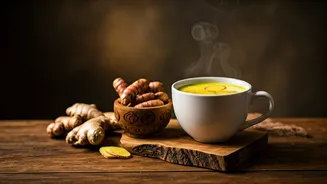
You’ve probably seen it on a cafe menu as a “golden milk latte,” but its origins are far more humble and heartfelt. Haldi Doodh, which translates to turmeric milk, is a staple in many South Asian households, often prepared by a mother or grandmother at the first sign of a sniffle or a sore throat. The recipe is beautifully simple: milk (dairy or plant-based) is gently heated with turmeric, a pinch of black pepper (which is said to help the body absorb turmeric's key compound, curcumin), and sometimes other warming spices like ginger or cinnamon. It’s seen traditionally as an anti-inflammatory, soothing beverage. For Gen Z, it’s a comforting, caffeine-free nightcap and a vibrant, Instagram-friendly symbol of self-care that feels both ancient and brand new.
The Throat Soother: Ginger-Lemon-Honey Tea
This combination is practically a universal grandmotherly prescription for colds, and it's having a major resurgence. While you can buy pre-packaged versions, the DIY approach is central to the appeal. The ritual involves simmering fresh ginger slices in water, then adding a generous squeeze of lemon juice and a spoonful of honey once it’s cooled slightly. Ginger has been used for centuries to aid digestion and soothe nausea, while lemon provides a kick of Vitamin C and honey is known for its throat-coating, antibacterial properties. On TikTok and Instagram, creators share their personal twists on the recipe, showcasing the simple, powerful act of making something from scratch to care for oneself or a loved one. It’s a low-cost, high-reward ritual that pushes back against the notion that wellness has to be expensive.
The Digestive Aid: Ajwain Water
Less known in the mainstream U.S. but a powerhouse in many Indian kitchens, Ajwain (carom seeds) is the star of another simple-but-effective remedy. Ajwain water is typically made by boiling a teaspoon of the seeds in water, then straining the liquid. These tiny seeds have a potent, thyme-like flavor and are traditionally turned to for digestive issues like indigestion, bloating, and gas. While the taste can be an acquired one, its reputation as a quick home remedy for an upset stomach makes it a practical piece of ancestral knowledge. Its revival speaks to a growing interest in food as medicine—not as a cure-all, but as a first line of defense for common discomforts, using ingredients already present in the family spice rack.
The Flavor Bomb: The Power of Tadka
While not a drink, the concept of ‘Tadka’ (or tempering) is a foundational technique in Indian cooking that embodies this wellness philosophy. It involves heating ghee or oil and blooming whole or ground spices like mustard seeds, cumin seeds, and asafoetida until they crackle and release their aromatic oils. This fragrant mixture is then poured over lentils, vegetables, or yogurt. Traditionally, this isn't just for flavor; it’s a way to make nutrients more bioavailable and add the digestive and warming properties of the spices to a dish. Gen Z foodies are embracing this technique, understanding that it’s not just about what you eat, but how you prepare it. It’s a lesson in making everyday food more delicious and, in the eyes of tradition, more nourishing.