


Why Heat Drains Your Will to Work Out
It’s not just in your head: exercising in the heat is physically harder. When temperatures climb, your body has to work overtime to cool itself down, primarily through sweating. This process diverts blood flow toward your skin and away from your muscles,
which means less oxygen is available for your workout. Your heart rate increases to compensate, making even moderate-intensity exercise feel like a Herculean effort. Add in the dehydration risk and the general lethargy that comes with a sweltering day, and it’s no wonder the idea of a 60-minute run or gym session feels completely out of reach. This 'summer slump' can lead to feelings of guilt and derailed fitness routines. But the solution isn’t to force yourself through miserable, lengthy workouts; it’s to work out smarter, not longer.
The Power of the 'Exercise Snack'
Enter the short workout. Known by trainers and exercise scientists as 'exercise snacking' or 'micro-workouts,' these are brief, focused bursts of activity lasting anywhere from 5 to 20 minutes. The old 'all-or-nothing' mindset suggested that if you couldn't dedicate a full hour, you might as well not bother. Modern research has thoroughly debunked that myth. Studies have shown that the health benefits of physical activity are cumulative. Three 10-minute walks scattered throughout the day can be just as effective for cardiovascular health as one continuous 30-minute walk. For people feeling drained by heat, this is a game-changer. It reframes exercise from a monolithic, time-consuming chore into a series of small, manageable victories that you can sprinkle throughout your day, ideally in a cool, air-conditioned space.
Focus on Quality, Not Just Quantity
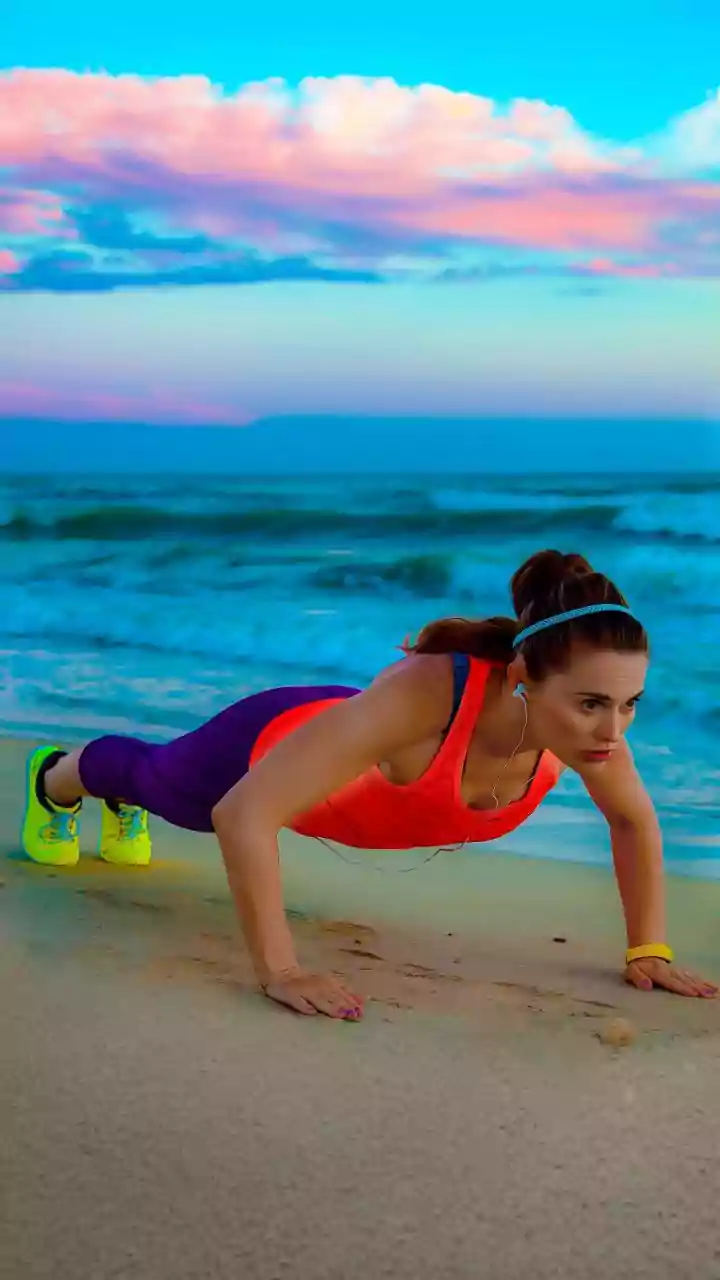
The key to an effective short workout is intensity. Since you're exercising for a shorter duration, you need to make those minutes count. This is where concepts like High-Intensity Interval Training (HIIT) shine. A HIIT session involves alternating between short bursts of all-out effort (like 30 seconds of jumping jacks or burpees) and brief recovery periods. This method is incredibly efficient at improving cardiovascular fitness and can be completed in just 10 to 15 minutes. However, you don't have to go all-out to see benefits. A 'work circuit' is another great option. Simply pick three or four bodyweight exercises—like squats, push-ups, lunges, and planks—and perform them back-to-back for a set number of repetitions or time. The goal is to keep your body moving and your heart rate elevated, which you can easily achieve in a short, focused window.
Your 15-Minute Heat-Proof Plan
Building your own short workout is simple. Forget complicated choreography and focus on a basic structure that you can adapt with exercises you know and enjoy. Here’s a blueprint for a 15-minute, full-body routine: 1. **Warm-up (2 minutes):** Don't skip this. Gentle movements like arm circles, leg swings, torso twists, and high knees prepare your muscles and get your blood flowing. 2. **The Main Circuit (10 minutes):** Choose 4-5 exercises. Perform each for 45 seconds, followed by 15 seconds of rest. Complete the entire circuit twice. A great combination could be: Bodyweight Squats, Push-ups (on knees if needed), Alternating Lunges, Plank, and Jumping Jacks. This mix targets major muscle groups and elevates your heart rate. 3. **Cool-down (3 minutes):** Bring your heart rate down gradually. Hold some basic stretches for your major muscle groups, like a quad stretch, hamstring stretch, and chest stretch, for 20-30 seconds each. This aids recovery and improves flexibility.
Essential Tips for Summer Safety
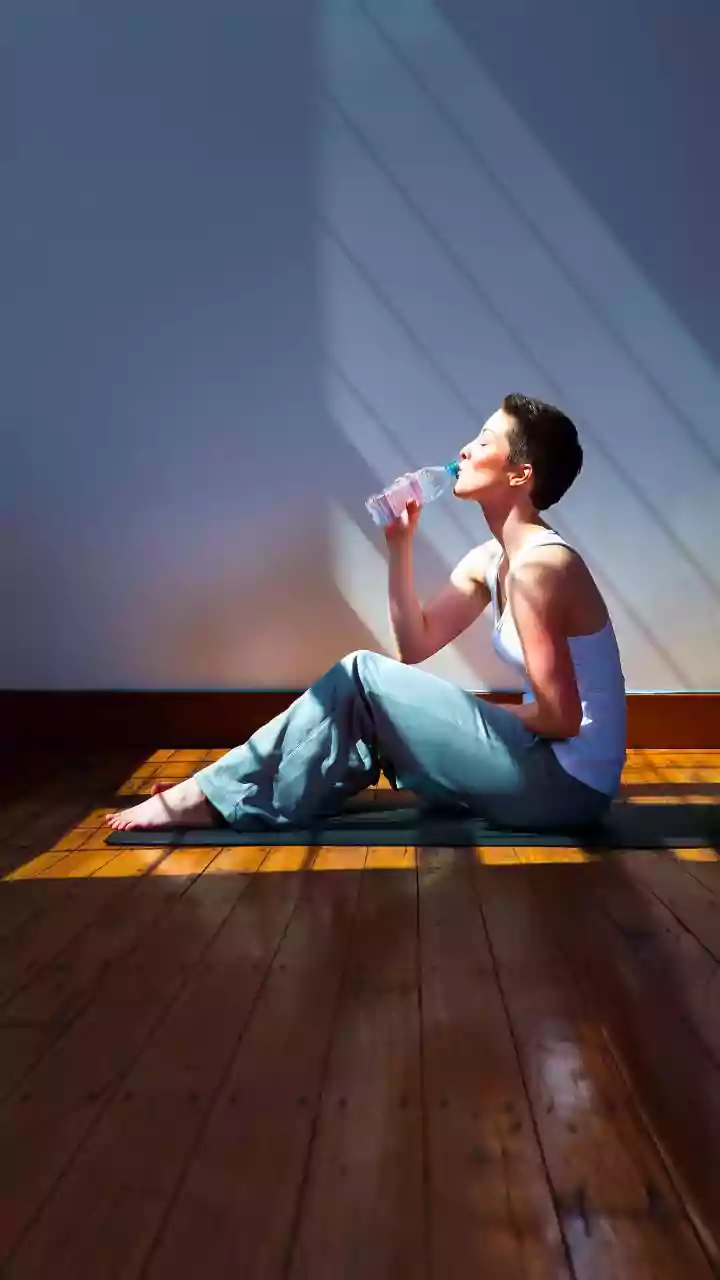
Even with shorter workouts, exercising in the heat requires extra caution. The most important rule is to listen to your body. If you feel dizzy, nauseous, or light-headed, stop immediately. Whenever possible, exercise indoors in a climate-controlled environment. If you must be outside, schedule your workouts for the coolest parts of the day—early morning or late evening. Hydration is non-negotiable. Drink water before, during, and after your short session, even if you don’t feel thirsty. Finally, choose lightweight, light-colored, and moisture-wicking clothing to help your body’s natural cooling process work more efficiently.