





The New Definition of a Fur Baby
For decades, the American dream of pet ownership involved a cat purring on a windowsill or a dog waiting by the door. But a quiet but steady shift is underway. While canines and felines still dominate—making up a huge portion of the 90 million U.S. households
with pets—a growing number of Americans, particularly Millennials and Gen Z, are choosing companions from outside the traditional mold. According to the American Pet Products Association (APPA), ownership of birds, small animals, and reptiles has seen significant growth. This isn't just about owning an “exotic” animal; it’s about applying the same level of care, emotional investment, and, yes, “parenting” that was once reserved for dogs and cats. These aren't just pets; they're family members with scales, shells, or feathers.
The Reptile Revolution
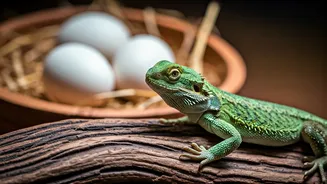
Perhaps the most surprising shift is the rise of the reptile. Bearded dragons, leopard geckos, and ball pythons are becoming staples in homes where a dog or cat might not fit. Their appeal is multifaceted. For apartment dwellers, they are quiet and have a smaller footprint. For allergy sufferers, they offer a hypoallergenic alternative to furry friends. But the modern reptile owner isn't just sticking a lizard in a glass tank. They are building elaborate, bioactive vivariums that replicate natural ecosystems, providing specialized diets, and sharing their pets’ personalities on dedicated Instagram accounts. This level of dedication reflects a deeper appreciation for these animals not as cold-blooded curiosities, but as engaging companions with unique behaviors and needs. They offer a different, calmer kind of companionship, one that fits neatly into busy, modern lives.
Small Mammals, Big Personalities
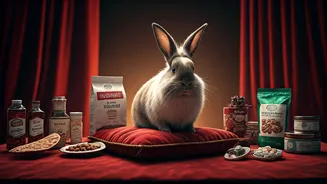
The demand for smaller, more manageable companions has also fueled a renaissance for small mammals. Guinea pigs, hamsters, and rabbits are no longer seen as starter pets for children but as legitimate companions for adults. In urban areas where space is at a premium, a pair of bonded guinea pigs can provide the affection and interaction many people crave without requiring daily walks or a large backyard. Owners are investing in multi-level enclosures, organic hays, and specialized veterinary care, treating their small pets with a seriousness that reflects their elevated status in the household. These animals offer a high return on emotional investment, forming surprisingly strong bonds with their owners and displaying complex social behaviors that many find just as rewarding as a dog's wagging tail.
Feathered and Farm-Adjacent Friends
The trend extends to the avian world and even into the backyard. Birds like cockatiels and parrots have always had a following, but the “pet parenting” approach means more focus on enrichment, diet, and mental stimulation to prevent behavioral issues. More unconventionally, the backyard chicken movement has transformed hens from livestock into beloved pets that also happen to provide breakfast. Urban and suburban homesteaders name their chickens, build them elaborate coops (sometimes called “the chicken palace”), and dote on them as they would any other pet. This blurs the line between farm and family, showcasing a desire for a connection to our food sources and a different rhythm of life, all found in one’s own backyard.