


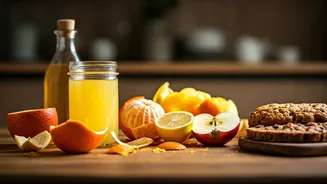
First, a Quick Prep Note
Before you dive in, remember that you’ll be eating the exterior of the fruit. Whenever possible, opt for organic produce to avoid pesticides. If conventional is what you have, give your fruit a thorough scrub with water and a bit of baking soda or a vegetable
brush. This helps remove not just dirt but also some of the wax coatings and surface residues, making your peels ready for their second act.
Citrus Peels: The All-Star
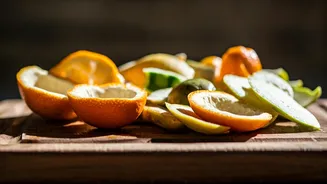
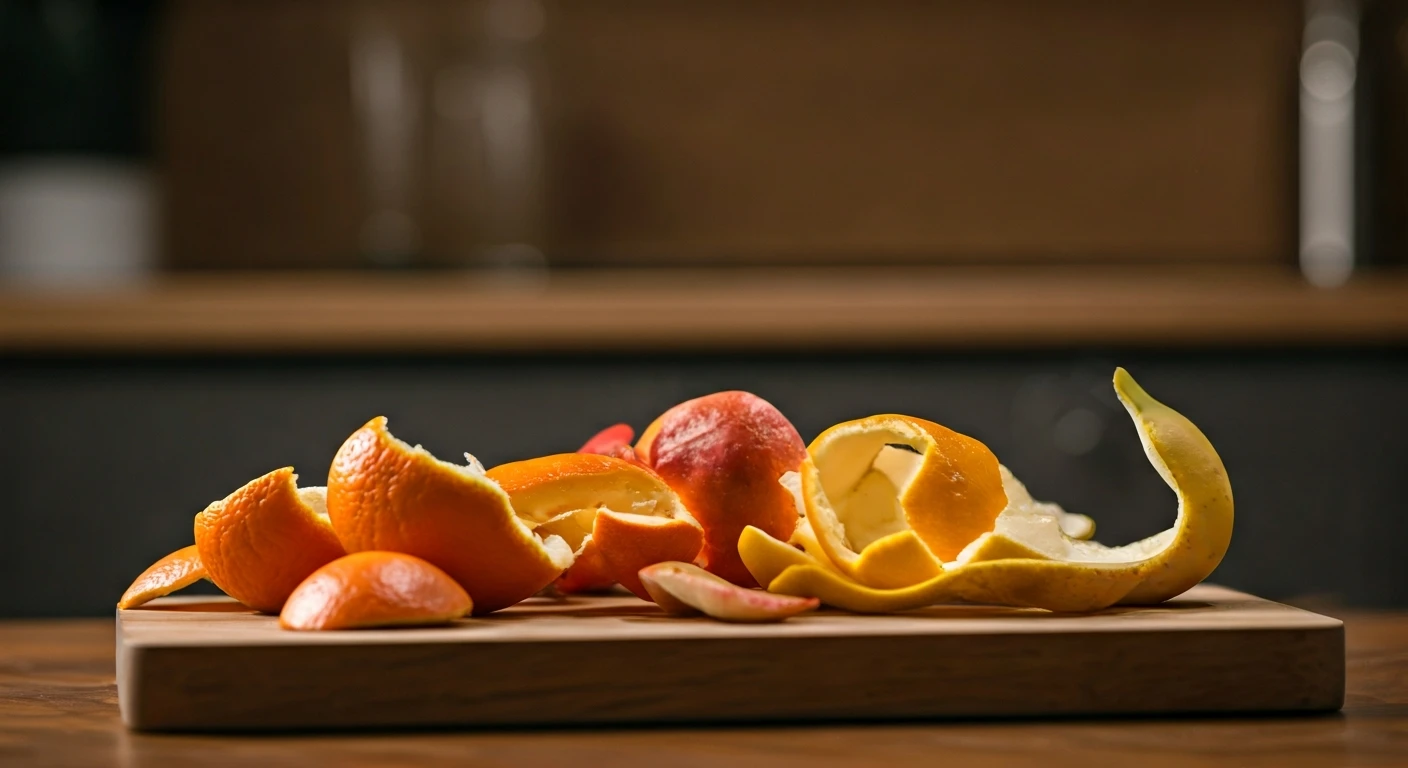
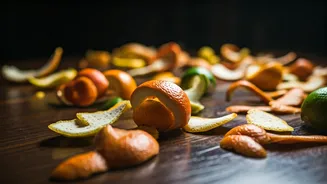
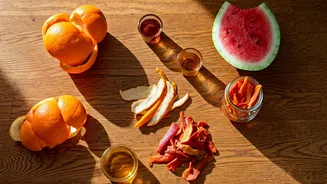
Lemon, lime, orange, and grapefruit peels are the easiest entry point into the world of peel-to-stem cooking. Instead of zesting and tossing, save the entire peel. You can candy them by simmering them in a simple syrup until tender and translucent—a perfect garnish for cocktails or desserts. For a bartender’s secret weapon, make an oleo saccharum (“oily sugar”). Simply cover your peels with sugar, muddle them lightly, and let them sit for a few hours. The sugar will draw out the essential oils, creating an intensely fragrant syrup that elevates any lemonade, iced tea, or cocktail.
Watermelon Rinds: Not Just for the Bin
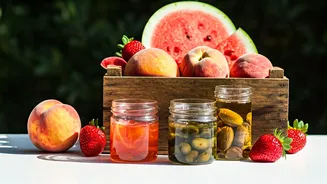
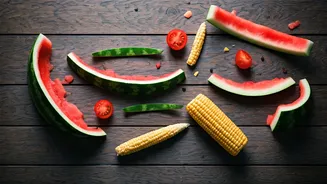
That thick, pale green rind on your watermelon is surprisingly versatile. The classic Southern tradition is to pickle it. After removing the tough outer green skin, the white part of the rind is cubed and simmered in a brine of vinegar, sugar, and spices like cinnamon and cloves. The result is a sweet, tangy, and surprisingly crisp pickle that’s fantastic alongside grilled meats or chopped into a chicken salad. You can also treat it like a vegetable. Slice it thin and toss it into a stir-fry, where it will absorb the flavors of your sauce and add a delightful crunch similar to a cucumber.
Stone Fruit Pits and Skins: Next-Level Flavor
The skins of peaches and nectarines, which often get peeled away for pies and jams, are full of flavor and color. You can toss them in a blender with your next smoothie for extra fiber and nutrients. Or, spread them on a baking sheet, sprinkle with cinnamon-sugar, and bake at a low temperature until crisp for a fruit-leather-like snack. The pits hold a secret, too. Peach and apricot pits contain a kernel that has a beautiful, almond-like flavor. Cracking open a few (after roasting them to neutralize trace compounds) and infusing them in vodka or simple syrup creates a unique, nutty ingredient reminiscent of Italian amaretto.
Banana Peels: The Unexpected Contender
This is where low-waste cooking gets truly creative. Yes, you can eat banana peels. High in fiber and potassium, the peels from organic bananas can be transformed with a little effort. A popular vegan trick is to shred the peel, marinate it in soy sauce, maple syrup, and liquid smoke, and then pan-fry it to create a surprisingly convincing “pulled pork” for sandwiches. You can also blend the whole peel (from a ripe banana) into a smoothie or boil it in water to make a nutrient-rich “tea” for your houseplants once it cools.