




So, What Exactly Is 'Fibermaxxing'?
If you’ve spent any time on TikTok or wellness forums, you’ve likely seen the term. “Fibermaxxing” isn’t a rigid, trademarked diet plan. Instead, it’s a grassroots, internet-driven movement focused on consciously and significantly increasing one’s daily
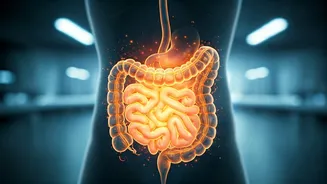
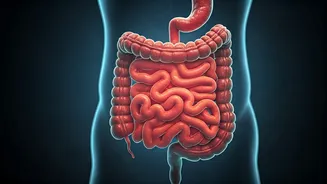
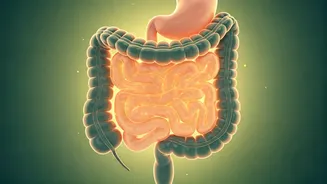
fiber intake. The goal is simple: to improve digestive regularity, reduce bloating, and cultivate a healthier gut microbiome. Proponents share tips, recipes, and product recommendations—from psyllium husk-spiked smoothies to chia seed puddings and high-fiber bread—all in the name of optimizing their digestive system. It’s part of the broader Gen Z and millennial obsession with gut health, viewing the stomach as the command center for overall well-being, mood, and even skin clarity.
The Indian Diet Connection
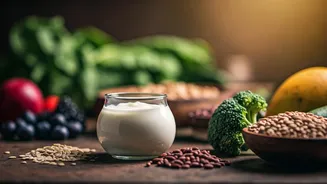
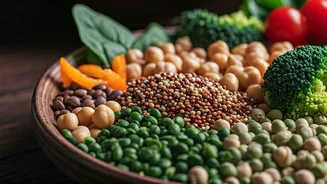
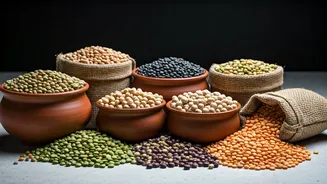
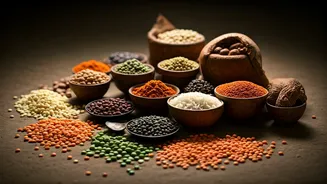
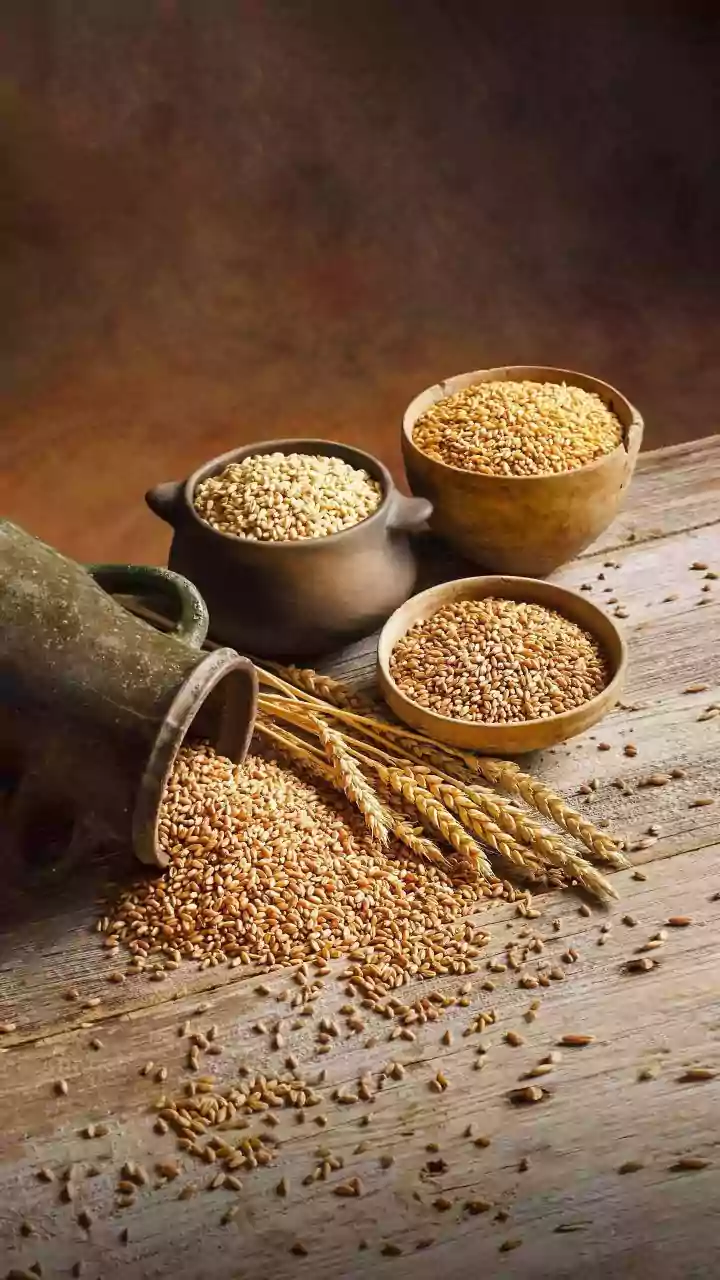
The headline's focus on “Indian Gen Z” is particularly interesting because, in many ways, traditional Indian cuisine is the original fibermaxxing diet. For centuries, Indian meals have been built around high-fiber staples. Think about daily staples like dal (lentil stew), chana (chickpea curry), rajma (kidney beans), and whole-wheat rotis. These are nutritional powerhouses, packed with the soluble and insoluble fiber that modern wellness influencers are now chasing. For many young people in the Indian diaspora, or even in urban India, a shift towards more processed, Western-style foods may have led to a departure from this fiber-rich heritage. The trend of “fibermaxxing,” therefore, can be seen as a conscious rediscovery of their grandparents' way of eating, repackaged in the language of modern wellness. It’s a return to familiar, comforting foods, now armed with the scientific vocabulary of prebiotics and gut health.
Why This Trend, and Why Now?
Several cultural currents are converging to make fibermaxxing a phenomenon. First, there's the 'that girl' aesthetic of ultimate self-care, where optimizing one's health is a core part of the identity. Second, there’s a growing skepticism toward overly processed foods and a desire for whole, natural ingredients. Finally, the conversation around gut health has gone mainstream. People are more aware than ever of the link between their diet and issues like bloating, irregular digestion, and even mental fog. For a generation accustomed to “hacking” every aspect of their lives, from productivity to fitness, optimizing fiber intake feels like a tangible, controllable way to improve their daily well-being. It’s less about restriction and more about addition—adding fiber-rich foods to achieve a noticeable result.
The Real Benefits of a Fiber-Rich Diet
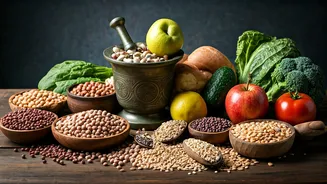
While “restoring digestive balance completely” might be an overstatement, the science supporting a high-fiber diet is robust. Beyond just promoting regularity, fiber plays a crucial role in overall health. Soluble fiber, found in oats, beans, and apples, can help lower cholesterol and stabilize blood sugar levels. Insoluble fiber, found in whole grains and vegetables, adds bulk and helps food pass more efficiently through the digestive system. A high-fiber diet is also linked to a lower risk of chronic diseases, including heart disease and type 2 diabetes. Furthermore, fiber acts as a prebiotic, feeding the beneficial bacteria in your gut. A thriving gut microbiome is associated with everything from a stronger immune system to improved mood.
A Word of Caution: Don’t Overdo It
As with any wellness trend, enthusiasm can sometimes outpace common sense. While fiber is fantastic, rapidly increasing your intake can backfire, leading to the very symptoms you’re trying to avoid: gas, bloating, and abdominal discomfort. Nutrition experts advise a gradual approach. Start by adding one high-fiber serving a day and see how your body responds. Most importantly, as you increase your fiber, you must also significantly increase your water intake. Fiber works by absorbing water, and without enough fluid, it can worsen constipation. The key isn't a sudden, extreme “maxx” but a steady, sustainable shift toward more whole foods.