

More Than Just 'Home-Cooked'
First, a quick translation. "Ghar Ka Khana" literally means "food of the house" in Hindi. But to translate it as just "home-cooked food" is to miss the entire point. This isn't the elaborate, multi-course meal you’d prepare for guests. It’s not the rich,
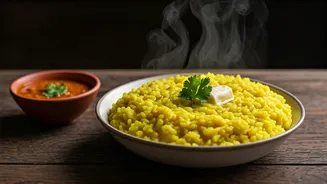
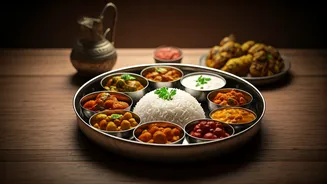
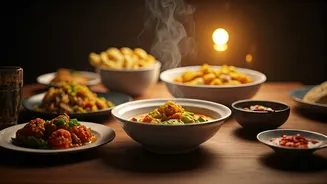
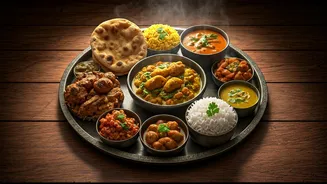
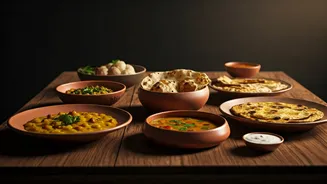
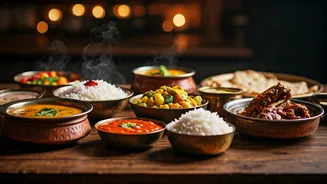
creamy curries you find on most American restaurant menus. Ghar Ka Khana is the everyday stuff: the simple dal (lentil soup), the humble sabzi (vegetable stir-fry), the fresh rotis, the bowl of yogurt. It’s the food of comfort, of routine, of nourishment. For generations of South Asian immigrants, this was private food, enjoyed within the family, while a more universally palatable, often richer, version was presented to the outside world.
From Lunchbox Shame to Viral Pride
So what changed? In a word: everything. But mostly, social media. For years, many second-generation immigrant kids experienced the phenomenon of "lunchbox shame"—feeling embarrassed by the fragrant, unfamiliar foods their parents packed for them. The desire was to fit in, to have a peanut butter sandwich instead of a container of leftover curry and rice. Today, that script has been flipped entirely. On platforms like TikTok and Instagram, the children and grandchildren of those immigrants are now the stars of their own cooking shows. They’re not just sharing recipes; they are celebrating their heritage. Videos showcasing a grandmother’s technique for making the perfect roti or a father’s beloved dal recipe go viral, garnering millions of views. The very food that once felt like a marker of difference is now a badge of honor, a symbol of authentic cultural pride that is resonating with millions.
A Hunger for Authenticity
This trend isn't happening in a vacuum. It’s part of a larger culinary shift in America. For decades, our understanding of international cuisine was often limited to a handful of restaurant-standard dishes—think General Tso's chicken or chicken tikka masala. While delicious, these dishes often don't represent what people actually eat in their home countries. Today’s diners and home cooks are more curious and sophisticated. They’re seeking authenticity, not as a buzzword, but as a genuine connection to another culture. They want to know what’s for a Tuesday night dinner in Mumbai, not just what’s on the menu at a fancy Manhattan Indian restaurant. The rise of Ghar Ka Khana’s visibility feeds this hunger, offering a window into the real, everyday culinary lives of millions.
The Comfort Food We All Crave
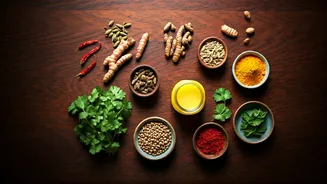
The global pandemic also played an undeniable role. Forced to stay home, we all became intimately reacquainted with our own kitchens. The initial sourdough craze gave way to a deeper need for comfort, simplicity, and sustenance. Elaborate, project-based cooking became exhausting. We craved food that felt like a hug—and that’s the very essence of Ghar Ka Khana. It’s food that is inherently healthy, relatively easy to prepare, and budget-friendly. It’s built on a foundation of pantry staples like lentils, rice, and spices. In a world that felt chaotic and uncertain, the humble, predictable comfort of a bowl of dal and rice became a universal desire, even for those just discovering it for the first time.