


The Age of Aesthetic Whiplash
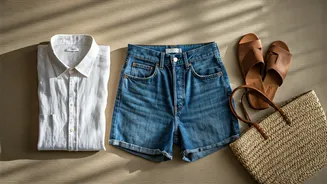
For the past few years, our digital feeds have been a whirlwind of fashion aesthetics, each arriving with the force of a hurricane and disappearing just as fast. One week, we were all supposed to be ‘coastal grandmothers’ swathed in linen; the next, we were dabbling
in ‘balletcore’ tulle or ‘weird girl’ eclectic layers. These weren't just trends; they were entire personalities packaged for consumption, complete with their own soundtracks, color palettes, and hashtags. Driven by the TikTok algorithm, this cycle of ‘-cores’ demanded constant participation and, more importantly, constant purchasing. The result? Closets filled with the ghosts of aesthetics past—a stray feather trim here, a pair of once-essential-now-inexplicable cargo pants there. This phenomenon, dubbed the microtrend cycle, felt exciting at first, like a never-ending costume party. But for many, the party is over, and the cleanup has begun. The pressure to keep up has led to a collective exhaustion, a sense of being perpetually behind the curve on a curve that’s redrawing itself every 48 hours.
Enter: The Clean Wardrobe
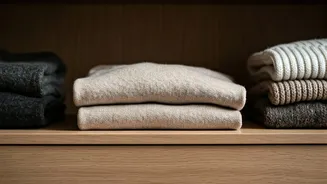
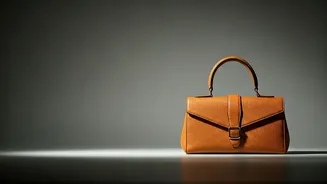
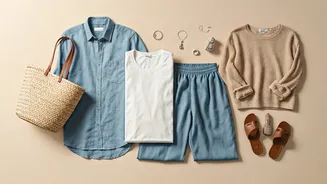
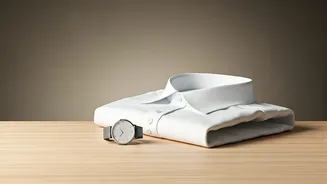
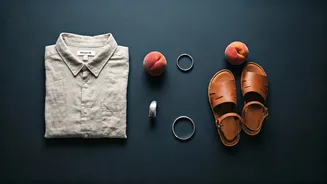
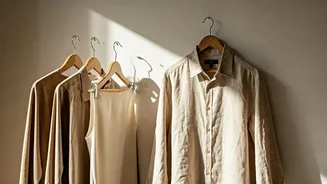
In the wake of this sartorial chaos, a new mood is settling in. Call it the ‘clean girl’ aesthetic, ‘quiet luxury,’ or simply a return to basics, but the prevailing direction is one of simplicity, longevity, and intention. Instead of chasing fleeting moments, style-conscious consumers are gravitating towards a more unified and timeless look. This isn't just about minimalism in the stark, art-gallery sense. It’s about well-cut trousers, the perfect white t-shirt, a classic trench coat, and simple gold jewelry. It’s a uniform built on quality fabrics and flattering silhouettes rather than loud logos or trend-of-the-week novelties. The visual language is one of calm and cohesion: creamy neutrals, rich navies, and deep blacks form the foundation, allowing for personal expression through subtle details and impeccable tailoring. This shift represents a rejection of the disposable and an embrace of the durable, both in terms of physical quality and stylistic relevance.
From Dopamine Hits to Financial Sense
So why is this happening now? The reasons are both psychological and practical. On one hand, there's simple trend fatigue. The constant churn of microtrends requires a level of engagement that is, frankly, tiring. We’re seeking a reprieve from the algorithm’s demands. But there’s also a significant economic component. In a time of financial uncertainty, the idea of spending money on a ‘blokette’ jersey or a pair of cartoonishly large boots that will feel dated in six weeks seems increasingly frivolous. Consumers are becoming more discerning, choosing to invest in fewer, better pieces that will serve them for years, not days. This dovetails with a growing awareness of sustainability. The fast fashion engine that powers the microtrend cycle is notoriously wasteful, and many are consciously stepping off that hamster wheel. Opting for a cleaner, more classic wardrobe is a vote for slower, more mindful consumption.
It’s Not Boring, It’s Personal
A common critique of this cleaner aesthetic is that it’s boring, a sea of beige that strips away individuality. But this misses the point. The shift isn’t about erasing personality; it’s about finding it outside the confines of a pre-packaged, algorithm-approved trend. Building a wardrobe of timeless, high-quality essentials provides a stable foundation upon which true personal style can be built. It frees you from the anxiety of ‘what’s next?’ and allows you to focus on ‘what works for me?’. The goal is not to look like everyone else in a minimalist uniform, but to curate a collection of clothes that makes you feel confident and authentic, season after season. It’s the difference between wearing a costume and wearing your clothes.