




More Than Just Pineapple
When you hear “tropical food,” your mind might jump to a dated image of pineapple rings on ham or a syrupy piña colada with a tiny umbrella. But the trend captivating American diners today is far more sophisticated, nuanced, and exciting. These modern
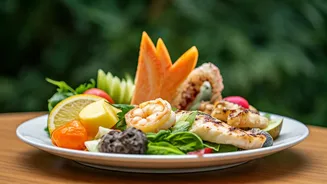
“tropical plates” are less about clichés and more about a philosophy: celebrating the ingredients and culinary traditions of the world’s equatorial regions. We’re talking about the bright, soulful cooking of the Caribbean, the complex sweet-sour-salty balance of Filipino cuisine, and the coastal freshness of Latin America. Think grilled fish with a tangy passion fruit glaze, savory pork adobo brightened with calamansi, or ceviche cured in electric-green leche de tigre. It’s food that feels both nourishing and thrilling, built on a foundation of fresh herbs, zesty citrus, chiles, and coconut in all its forms.
A Vacation on a Plate
So, why now? The rise of tropical flavors is perfectly timed for our post-pandemic mindset. After years of being cooped up, Americans are craving novelty, adventure, and a sense of escape. Since a spontaneous trip to Manila or Martinique isn’t always feasible, this food trend offers the next best thing: a transportive dining experience. Each bite of mango salsa or spoonful of coconut curry acts as a mini-vacation, a sensory break from the routine. There’s also a wellness component at play. As diners continue to move toward lighter, more plant-forward meals, tropical cuisines offer a perfect solution. They are often naturally rich in vegetables, fruits, and lean proteins like fish, delivering immense flavor without the heaviness of butter-and-cream-based European sauces. It’s a way to eat vibrantly and feel good about it.
The New Star Ingredients
Part of the fun of this trend is discovering a new pantry of powerhouse flavors. While mango and pineapple are still beloved, chefs and home cooks are now reaching for more specific and exciting ingredients. Calamansi, a tiny Filipino citrus that tastes like a cross between a lime and a kumquat, is adding a unique sour punch to marinades and cocktails. Guava has broken out of the juice box, appearing in sweet-and-sticky barbecue sauces and elegant pastries. Passion fruit, with its intoxicating floral aroma and tart finish, is elevating everything from yogurt bowls to high-end desserts. And don’t forget plantains, the versatile cousin of the banana, which can be fried into crispy tostones, mashed into savory mofongo, or caramelized into a sweet delight. These ingredients are popping up on menus and in grocery aisles, signaling a permanent shift in the American palate.
From Niche to Mainstream
The clearest sign that tropical plates are “winning” is how they’ve crossed over from specialty restaurants into the broader food culture. You can see the influence everywhere. Fast-casual chains are adding bowls with pineapple-jicama slaw. Your local supermarket now stocks guava-flavored hard seltzer and frozen passion fruit purée for your morning smoothies. Top chefs at fine dining establishments are reinterpreting classic Caribbean dishes with modern techniques, while food trucks serving Filipino sisig and Puerto Rican pernil draw the longest lines at the local food hall. According to trend reports from groups like the National Restaurant Association and social platforms like Pinterest, “travel-inspired eating” is one of the biggest movements in food today. This isn’t just a fleeting fad; it’s a reflection of a more curious, global, and adventurous American diner.