







The New Bottom Line
First, let’s talk about the bill. The three-martini lunch was always a performance of affluence, but in today’s economic climate, the price of admission has skyrocketed. Post-pandemic inflation has hit the restaurant industry hard, with the cost of high-quality
ingredients, labor, and rent pushing menu prices to eye-watering levels. A simple steak and a couple of cocktails in a major city can now easily approach $150 per person. For decades, this was an expense companies were willing to absorb for relationship-building. But as corporate budgets tighten and scrutiny on expenses grows, the justification for a three-hour, multi-hundred-dollar midday meal is harder to make. Even for the wealthy footing their own bill, the value proposition is weakening. Conspicuous consumption is still alive and well, but it’s becoming more focused on experiences and assets rather than a single, forgettable Tuesday lunch. The simple math just doesn’t add up for many anymore.
Wellness Is the New Wealth
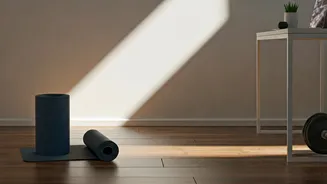
The cultural shift away from the indulgent lunch is even more powerful than the financial one. The new status symbol isn't a vintage Bordeaux; it's a sub-7% body fat percentage. Wellness culture has completely redefined what it means to be successful and disciplined. Committing two to three hours in the middle of a workday to heavy food and alcohol is now seen less as a power move and more as an act of self-sabotage. Today’s executive is more likely to be seen squeezing in a lunchtime Peloton ride, a session with a personal trainer, or a quick salad from Sweetgreen than holding court at a steakhouse. A green juice has replaced the gin martini as the beverage of choice for the ambitious. This isn’t just about health; it’s about signaling. It tells the world you’re optimized, focused, and in control. In a world that prizes productivity and personal betterment, the long, languid lunch feels like an indulgent relic from a bygone, less-efficient era.
The Unraveling of the 9-to-5 Ritual
The power lunch was a product of a rigid, office-centric universe. It required everyone to be in the same place at the same time, operating on a shared schedule. The rise of hybrid and remote work has shattered that foundation. When your top client is in another time zone and your team is scattered across the country, the ritual of a midday meal loses its logistical anchor. Why fight traffic to get downtown for a 1 p.m. lunch when you can accomplish the same goal with a 30-minute Zoom call? The workday is no longer a monolithic block from 9 to 5. It’s a fluid, fragmented series of tasks, calls, and focused work sprints. Lunch has become a functional pit stop, not a social centerpiece. People use that midday break to run errands, walk the dog, or simply decompress away from a screen—activities that a formal, sit-down meal makes impossible. The physical and temporal infrastructure that supported the power lunch has simply dissolved.
Efficiency as the Ultimate Status Symbol
In the world of *Mad Men*, power was demonstrated by how much time you could afford to waste. Taking a three-hour lunch signaled you were so important that the work could wait. Today, the opposite is true. Power is demonstrated through ruthless efficiency. The new flex is a color-coded calendar packed with back-to-back productive meetings, deep work blocks, and personal development goals. In this paradigm, a long lunch isn't a sign of status—it's a sign of a poorly managed schedule. The modern power player is more likely to build relationships over a quick morning coffee before the markets open or during a walk-and-talk meeting. The goal is to maximize connection while minimizing time disruption. The currency of success is no longer just money; it’s time. And spending a significant chunk of it on a single meal feels like a poor investment to a generation obsessed with life hacks and productivity.