

Why Your Soil Is Everything
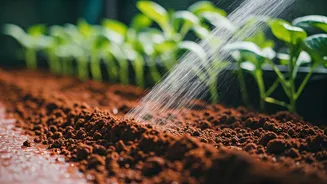
In a traditional garden, plants rely on the complex ecosystem of the earth. In urban gardening—where we use pots, containers, and raised beds—that ecosystem doesn't exist. You have to create it. The soil you provide is your plant's entire world, responsible
for anchoring roots, holding water, allowing air to flow, and delivering essential nutrients. While store-bought potting mix is a convenient starting point, it's often a one-size-fits-all solution that can be expensive and may not be ideal for your specific plants. By learning to mix your own, you gain complete control over quality and composition, tailoring the environment perfectly to what you want to grow. It's not only more effective but also significantly more affordable in the long run.
The Three Pillars of Perfect Potting Soil
Forget complicated chemistry. The "genius" behind great soil is understanding three basic functions. Every successful potting mix is a balance of ingredients that provide: 1. **Structure & Aeration:** This is the framework of your soil. It creates air pockets for roots to breathe and prevents the mix from becoming a dense, waterlogged brick. Without good aeration, roots can suffocate and rot. 2. **Moisture Retention:** This is the sponge. These materials hold onto water and make it available to plant roots over time, so you're not watering constantly. 3. **Nutrition & Biology:** This is the pantry. These components contain the essential minerals and organic matter that feed your plants, promoting healthy growth and strong defenses.
Meet Your Building Blocks
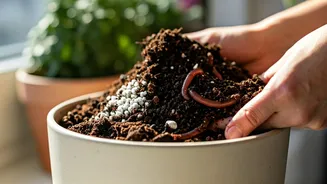
Before you start mixing, get to know your key ingredients. You can find these at most garden centers or online. * **Coco Coir or Peat Moss:** This is your moisture-retaining base. Coco coir (a byproduct of coconut processing) is a renewable resource that holds water well. Peat moss is the traditional choice, but has environmental concerns for some. Both are excellent for the job. * **Perlite or Pumice:** These are your aeration champions. Perlite is the small, white, lightweight volcanic glass that looks like styrofoam. It creates air pockets and improves drainage. Pumice is a slightly heavier volcanic rock that does the same job. * **Vermiculite:** A mineral that acts like a sponge, holding both water and nutrients. It’s better for moisture retention than perlite, making it great for plants that like to stay damp. * **Compost:** This is the lifeblood of your mix. Good-quality, finished compost provides a slow-release source of nutrients and introduces beneficial microbes that help plants thrive.
Formulation 1: The All-Purpose Container Pro-Mix
This is your go-to recipe, perfect for a wide range of flowers, herbs, and vegetables in pots or window boxes. It balances drainage, moisture, and nutrition beautifully. **The Recipe (by volume, not weight):** * **1 part Coco Coir or Peat Moss** (for moisture retention) * **1 part Perlite** (for aeration and drainage) * **1 part Compost** (for nutrients) Simply use a bucket, scoop, or old yogurt container as your "part." If you use one scoop of coir, use one scoop of perlite and one scoop of compost. Mix them thoroughly in a wheelbarrow or on a tarp until the color and texture are uniform. Lightly moisten the mix before you use it.
Formulation 2: The Thirsty Plant Hydration Mix
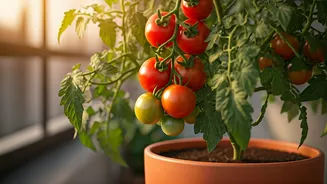
For plants that wilt easily or love consistent moisture—like ferns, tomatoes, and many tropicals—you'll want a mix that holds onto more water. **The Recipe (by volume):** * **2 parts Coco Coir or Peat Moss** (extra moisture retention) * **1 part Vermiculite** (holds more water than perlite) * **1 part Compost** (for rich nutrients) Notice the shift: we've doubled the base and swapped perlite for the more absorbent vermiculite. This creates a spongier, richer medium that won't dry out as quickly on a hot, sunny patio. This is a game-changer for preventing blossom-end rot in container tomatoes, which is often caused by inconsistent watering.
Formulation 3: The Succulent & Cactus Quick-Drain Mix
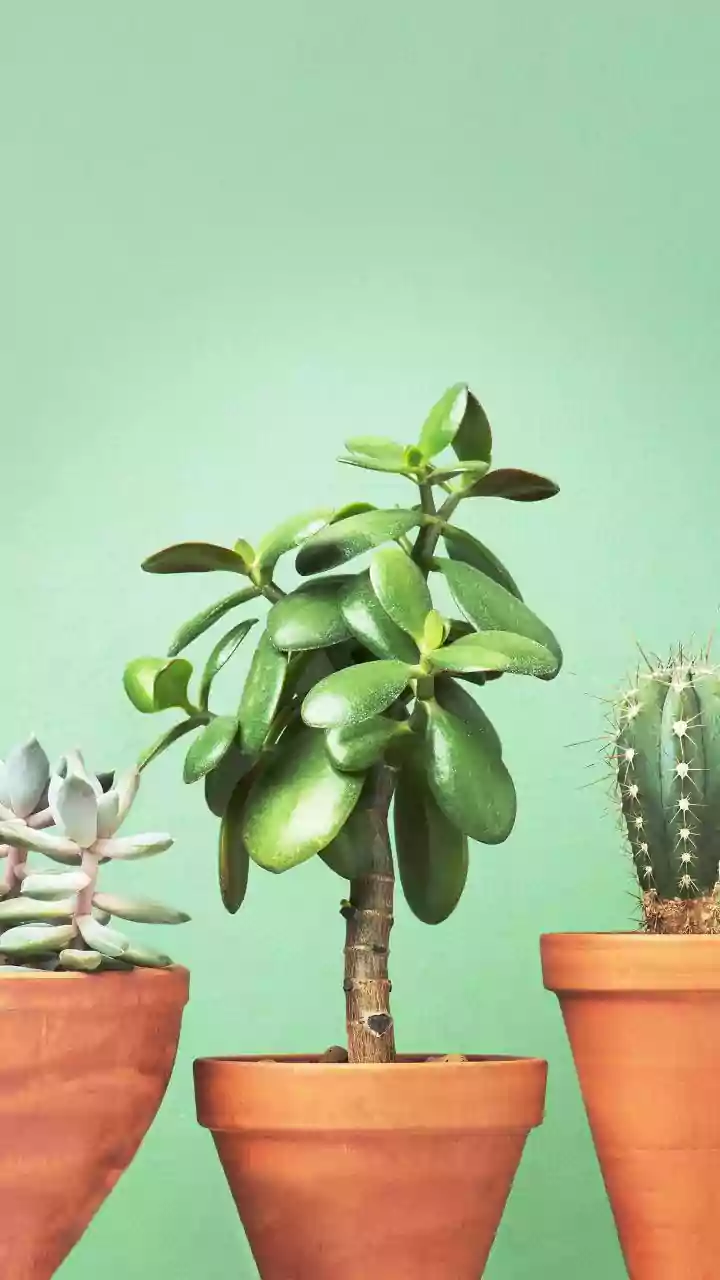
Succulents, cacti, and other arid plants will quickly rot in a standard potting mix. They evolved in sandy, gritty environments and need a soil that drains almost instantly. This recipe mimics those conditions. **The Recipe (by volume):** * **1 part Coco Coir or Compost** (just enough organic matter) * **2 parts Perlite or Pumice** (for maximum drainage) * **1 part Coarse Sand or Small Gravel** (for weight and grit) The key here is to prioritize aeration and drainage over moisture retention. The organic matter is minimal, just enough to provide a few nutrients. This gritty, porous mixture ensures that water flows right through, keeping the roots dry and happy and preventing the rot that is the number one killer of these popular plants.