








The Cacophony of the Modern Gym
Consider your last trip to the gym. The scene is likely familiar: a wall of muted televisions flickering with news tickers, the thumping bass from the gym’s speakers competing with the tinny sound from your own earbuds, and the constant digital pull of notifications
on your phone between sets. This is “digital noise”—a sensory overload that can transform a health-promoting activity into just another source of stress. While we think we’re multitasking by catching up on a podcast or show, our brains are actually being pulled in multiple directions. This environment can subtly elevate cortisol, the stress hormone, and prevent the very mental release we seek from exercise. Instead of a mindful escape, the gym becomes an extension of the hyper-stimulated, always-on world we’re trying to take a break from. The focus shifts from the feeling of movement in your body to distracting yourself until the chore is over.
The Rise of Mindful Movement
The antidote to this digital chaos is refreshingly simple: walking. Specifically, mindful walking. This isn’t about power-walking for a target heart rate or logging a certain number of steps, though those benefits can be a byproduct. Mindful walking is the practice of being fully present in the experience. It means paying attention to the rhythm of your breath, the sensation of your feet hitting the pavement, the changing colors of the sky, and the sounds of your neighborhood settling in for the night. By focusing on these sensory details, you anchor yourself in the present moment, giving your brain a much-needed break from replaying the workday or worrying about tomorrow’s to-do list. Studies have shown that practices like these can significantly reduce symptoms of stress, anxiety, and depression, offering a powerful mental health boost that goes far beyond a simple calorie burn.
The Untapped Power of the Pack
Doing this alone is powerful, but doing it with others is transformative. The “club” aspect is not to be underestimated. In an era of increasing social isolation, a walking club offers a low-pressure, screen-free way to build community. The shared, gentle rhythm of a walk fosters easy conversation and genuine connection. Unlike a loud bar or a structured class, there’s space for comfortable silence and deeper talks to emerge naturally. This sense of belonging and consistent social interaction is a major predictor of long-term health and happiness, proven to be as critical to our well-being as diet and exercise. Accountability becomes effortless; you show up not just for your own health, but also for the friends you look forward to seeing.
Why the Evening Walk Wins
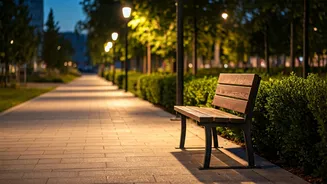
There’s a certain magic to an evening walk. As the day’s heat subsides and the light softens, the world seems to slow down. This time of day is perfect for psychologically marking the end of work and the beginning of personal time. A walk at dusk helps your body decompress from the stresses of the day. Physiologically, it can aid in regulating your circadian rhythm. Exposure to the dimming natural light signals to your brain that it’s time to wind down, and the gentle activity can help promote more restful sleep later on. Instead of revving your system up with an intense, late-night gym session, an evening walk soothes it, preparing you for a peaceful night ahead. You’re not just exercising; you’re participating in the natural closing of the day.
How to Find Your Stride (and People)
Joining or starting a club is easier than you think. First, check local community boards, town websites, or senior center listings, as they often host organized walking groups open to all ages. Apps and sites like Meetup and Nextdoor are excellent resources for finding hyper-local groups centered around shared interests, including walking. Look for keywords like “evening stroll,” “wellness walk,” or simply “walking group.” If you don’t find one that fits your schedule, create your own. It doesn’t need to be a formal affair. Start by simply asking one or two neighbors, colleagues, or friends if they’d like to join you for a walk after work one day a week. Send a simple text: “Hey, I’m starting to take a walk around the neighborhood at 7 p.m. on Tuesdays to de-stress. Want to join?” The simplicity is the point. The goal is connection and consistency, not complexity.