





What Is 'Staycation Brain'?
‘Staycation Brain’ isn’t about shunning travel. It’s about applying the mental framework of a low-stakes local weekend to a trip that might be hundreds or even thousands of miles away. It’s the voice in your head that, when faced with planning a 10-day,
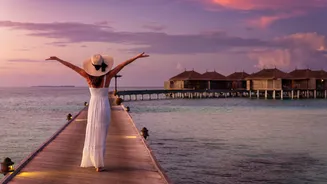
multi-city European tour, whispers, “…but what if we just went to an all-inclusive resort in Cancun instead?” This mindset prioritizes a low cognitive load above all else. It favors simplicity, predictability, and minimal decision-making. Symptoms include: a sudden, deep appreciation for package deals, an aversion to rental cars that require navigating foreign roads, and the belief that the best itinerary is no itinerary at all. It’s a protective mechanism against the potential for travel to become just another stressful, high-stakes project in a life already full of them. Instead of seeking novelty and challenge, Staycation Brain seeks comfort and restoration—even if it has to fly to find it.
The Burnout Backlash
So, where did this come from? The primary culprit is burnout. After years of navigating a pandemic, economic uncertainty, and the relentless ‘on’ switch of digital life, our capacity for complex decision-making is shot. Planning a vacation, once a joyful act of anticipation, can now feel like taking on a side hustle as an unpaid logistics coordinator. The research alone—finding the right neighborhood, the best restaurants, the can’t-miss sights—can be exhausting before you’ve even packed a bag.
This phenomenon is a direct backlash to the pre-pandemic era of ‘performative travel,’ where vacations were often judged by the density of the itinerary and the quality of the Instagram content produced. We were conditioned to believe that a successful trip meant seeing and doing as much as humanly possible. Now, the pendulum is swinging hard in the other direction. The ultimate luxury is no longer a packed schedule; it’s an empty one. The goal has shifted from collecting experiences to simply recharging a depleted mental and emotional battery.
The All-Inclusive Allure
The travel industry is already reflecting this shift. Look no further than the booming popularity of all-inclusive resorts. Once dismissed by some as unadventurous, they are now celebrated for their core promise: one booking, zero hassle. Food, drinks, activities—it’s all taken care of. You make one decision and then coast for a week. This is the Staycation Brain’s paradise.
We also see it in the rise of the ‘micro-cation.’ Instead of one epic, two-week annual vacation that requires months of planning, more Americans are opting for several shorter, three- or four-day trips. These long weekends are easier to plan, less expensive per trip, and provide more frequent breaks from the daily grind. They are the travel equivalent of a snack instead of a feast—less overwhelming and easier to digest. The focus is on a single, achievable goal: a few days of hiking, a weekend in a nearby city, or simply relaxing by a different pool.
From Itinerary to 'Anti-Itinerary'
Perhaps the biggest change is the embrace of the ‘anti-itinerary.’ This isn’t about being lazy; it’s a conscious choice to prioritize rest over activity. The new travel dream for many isn't about waking up at dawn to beat the crowds at a museum. It's about sleeping in, enjoying a slow coffee, and asking, “What do we feel like doing today?”—with “nothing” being a perfectly acceptable answer.
This has been dubbed the ‘nothing-cation,’ a trip where the sole purpose is to decompress. It pushes back against the fear of missing out (FOMO) and instead champions the joy of opting out (JOOO). It recognizes that for many overworked and overstimulated people, the most valuable thing a vacation can offer isn't a new landmark, but a moment of genuine, unstructured peace. It’s a quiet rebellion against the productivity-obsessed culture that dominates the rest of our lives.