




The 'Swift-onomics' Phenomenon
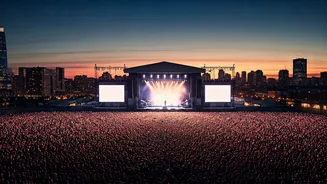
Let’s call this trend what it is: the Taylor Swift effect. While music has always inspired travel, the sheer scale of modern blockbuster tours—most notably Swift’s “Eras Tour” and Beyoncé’s “Renaissance World Tour”—has fundamentally altered the calculus
of urban tourism. These are no longer just concerts; they are multi-day, city-wide economic events that function like a Super Bowl, but one that moves from city to city every weekend for over a year. The numbers are staggering. In 2023, the “Eras Tour” was estimated to have generated billions in consumer spending in the U.S. alone. When a tour of this magnitude is announced, it sets off a digital gold rush not just for concert tickets, but for flights, hotel rooms, and rental cars, often a year in advance. Cities that once competed for tourists based on landmarks and museums are now also competing for a spot on a tour schedule, knowing the immense economic windfall it represents.
From Concert-Goer to Super-Tourist
For the fans, this isn’t about just seeing a show. It’s about crafting an entire experience. Unable to secure tickets in their home city, fans have become remarkably flexible, embracing the role of “concert tourist.” They’ll look at the tour schedule, pick a city they’ve always wanted to visit—or one with cheaper flights—and build a mini-vacation around the event. A Saturday night concert in Denver becomes a long weekend of hiking in the Rockies. A show in Chicago is an excuse to finally try a deep-dish pizza and visit the Art Institute. This changes the traveler's mindset. The concert is the anchor, the non-negotiable centerpiece of the itinerary. Everything else—from dining choices to sightseeing—is planned around it. Social media is filled with fans sharing their travel itineraries, coordinating outfits, and organizing pre-show meetups, transforming a solo trip or small group outing into a massive, shared cultural pilgrimage.
A Windfall for Cities, A Headache for Others
For host cities, the benefits are undeniable. Hotels see occupancy rates skyrocket, often reaching near 100% capacity with rates two or three times the normal price. Restaurants, bars, and local retailers enjoy a massive surge in foot traffic as tens of thousands of visitors—with money to spend—descend for 48-72 hours. Tourism boards have started calling it “Tour Tourism,” and they actively court it. But this boom comes with a downside. For anyone else trying to travel to that city for other reasons—a wedding, a business trip, or just a regular vacation—the pop star's arrival can be a logistical and financial nightmare. Suddenly, a city that was affordable last month is now prohibitively expensive. This displacement effect means that the concert-driven economy doesn’t just add to a city’s visitor numbers; it fundamentally changes who is visiting and why, pricing out other potential tourists in the process.
The New Rule of Travel Planning
Is this the new normal? All signs point to yes. The success of the “Eras” and “Renaissance” tours has created a blueprint that other major artists will undoubtedly try to replicate. It proves that a loyal fanbase can be mobilized into a powerful traveling economic force. For promoters, it’s a strategy to maximize revenue by creating scarcity in each market and encouraging travel. For artists, it deepens the communal bond with their audience. For travelers, it means a new, essential step has been added to the trip-planning checklist. Before you book that flight to Nashville or that hotel in Philadelphia, you need to do more than check the weather. You need to check the city’s concert calendar. In the modern travel landscape, overlooking a stadium tour schedule is a rookie mistake that could cost you hundreds of dollars or leave you without a room entirely. The city break is no longer just about the destination; it’s about who else is going to be there.