







The New Pre-Travel Ritual
Imagine planning a trip to see family for Diwali, India’s dazzling festival of lights, or a summer escape to the mountains. The checklist used to be straightforward: tickets, lodging, gifts. But for a growing number of Indians, the most critical step
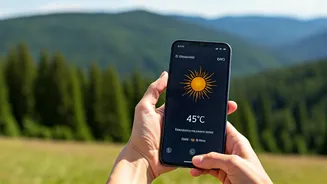
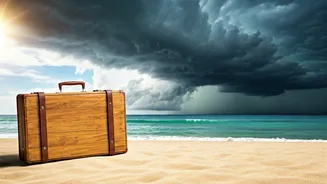
is now consulting the India Meteorological Department (IMD) forecast. The question is no longer just *when* to go, but *if* it’s safe to go. This isn't about avoiding a light shower. It’s about navigating the risk of flash floods, landslides, and city-stopping deluges that now strike with frightening unpredictability. Tour operators report a surge in weather-related queries, and social media buzzes not with excitement, but with anxieties about washed-out roads and canceled trains. What was once a predictable, seasonal rhythm has been replaced by a game of meteorological roulette.
When the Monsoon Went Rogue
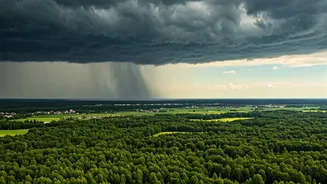
At the heart of this new anxiety is the radical transformation of the Indian monsoon. For centuries, the monsoon was the country’s lifeblood—a predictable, four-month season of rain that nourished crops and replenished reservoirs. But that predictability is gone. Climate change has supercharged the system, making it more erratic and violent. Scientists have observed that while the total volume of rainfall might not have changed drastically, its delivery has. Instead of steady, moderate rain over many days, India now experiences long dry spells punctuated by catastrophic, short-duration downpours that overwhelm drainage systems and trigger natural disasters. Furthermore, the monsoon's withdrawal, which once reliably occurred by early October, now often lingers, dumping unseasonal rain on regions during what should be the dry, festive autumn season.
Holidays Under Water
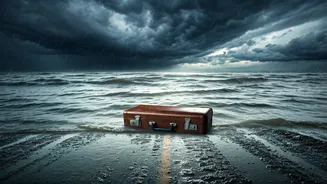
The consequences of this new weather pattern have been starkly visible during major holiday periods. The post-monsoon festival season, which includes major celebrations like Dussehra and Diwali, was traditionally a dry, pleasant time for travel and outdoor festivities across much of the country. In recent years, however, these periods have been marred by record-breaking rainfall. Cities like Delhi and Bangalore have seen festive markets flooded and travel plans thrown into chaos. Similarly, the Himalayan states, popular destinations for escaping the summer heat, have been battered by extreme rainfall events, leading to devastating landslides that trap tourists and cripple local economies dependent on the holiday rush. These aren't isolated incidents; they are becoming the new seasonal norm, turning cherished vacation periods into times of high alert.
A Ripple Effect on Culture and Economy
The impact extends far beyond ruined vacations. It strikes at the core of India’s cultural and economic fabric. Religious pilgrimages, timed for specific auspicious dates, are now fraught with peril. Small businesses in tourist towns, from guesthouse owners to souvenir vendors, face crippling uncertainty, unable to rely on the predictable income from holiday seasons. The very act of gathering—central to Indian family life and festivals—is being redefined by logistical and safety challenges. When a family has to think twice about a 200-mile drive to see grandparents for a festival because the highway might be flooded, it represents a profound shift. This isn't merely an inconvenience; it’s the slow-motion erosion of cultural rhythms that have been stable for centuries, all due to a climate that no longer plays by the old rules.