






An Ancient Grain for Modern Times
If you’re picturing birdseed, it's time for a rebrand. While some varieties are used in feed, the millets showing up on menus and in pantries are a group of small-seeded grasses that have been a food staple for thousands of years in parts of Africa and Asia.
They are, in a sense, one of humanity’s original superfoods. So why the sudden glow-up in the U.S.? Part of the momentum comes from a global push, with the United Nations declaring 2023 the “International Year of Millets” to highlight their resilience and nutritional value. This put the humble grain on the radar of chefs, food bloggers, and health-conscious consumers looking for the next big thing in sustainable eating. It's a comeback story centuries in the making.
The Why: Nutrition and Sustainability
The appeal of millets isn’t just about novelty; it’s rooted in some of the biggest trends in food and wellness. First, they are a nutritional powerhouse. Naturally gluten-free, millets are a great alternative for those with celiac disease or gluten sensitivity. They are also packed with protein, fiber, and essential minerals like magnesium and iron, offering a slow release of energy that keeps you full and focused all morning. Second, in an era of climate consciousness, millets are an environmentalist’s dream crop. They are incredibly hardy and drought-resistant, requiring significantly less water than wheat, rice, or corn. This low-input, high-output profile makes them a smart and sustainable choice for a planet under pressure.
Your Millet Starter Kit
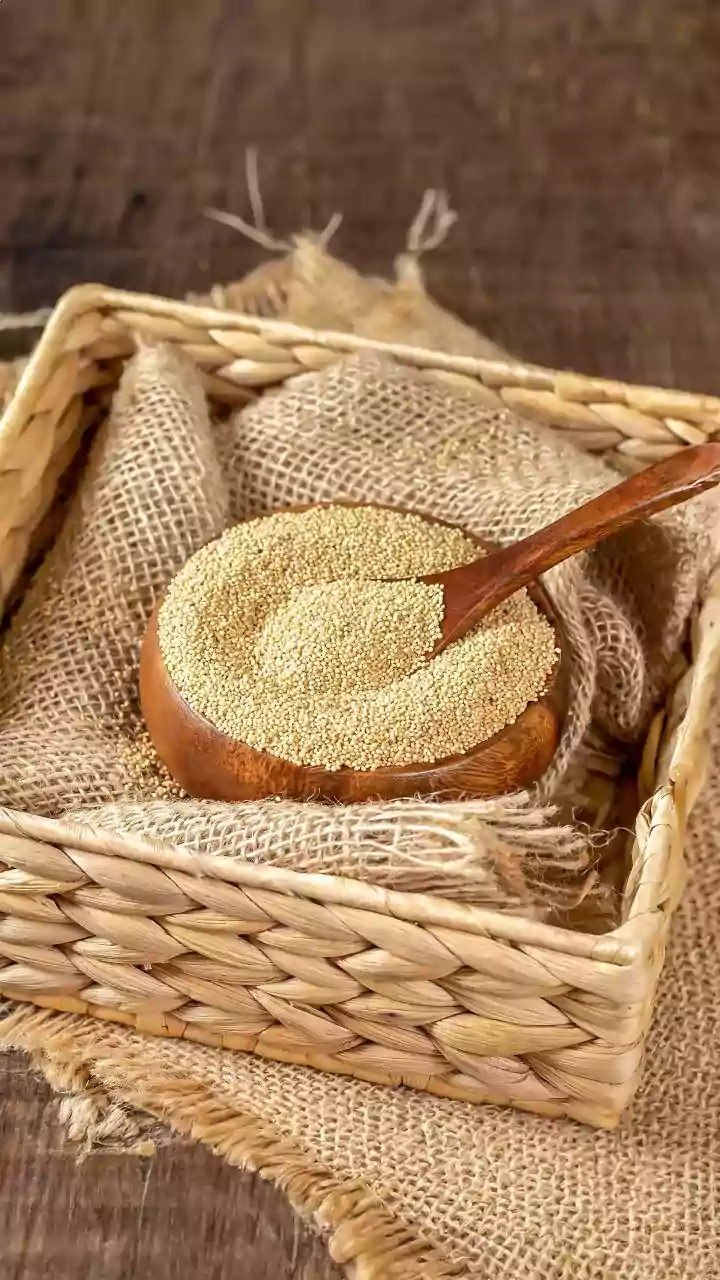
Dipping your toe into the world of millets is easy, as they are surprisingly versatile. The most common variety you’ll find in American grocery stores is proso millet, which has a mild, slightly sweet flavor. It can be cooked to be light and fluffy like quinoa or creamy and rich like polenta, depending on how much liquid you use. Foxtail millet, another popular type, has a similar texture to rice and a delicate, nutty taste. For something different, look for finger millet (often sold as ragi flour), which has a deep, earthy flavor and is fantastic for making nutrient-dense pancakes or baked goods. Each type offers a slightly different culinary experience, inviting experimentation.
Beyond the Breakfast Bowl
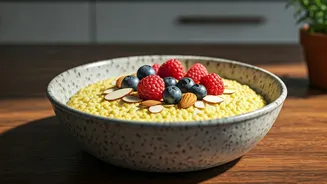
The real fun begins when you realize just how stylish millet can be. Forget bland porridge; think of millet as a blank canvas for your morning creativity. Start with a creamy millet porridge, cooked with almond milk and a touch of cinnamon, then topped with fresh berries, toasted nuts, and a drizzle of maple syrup. For a savory twist, cook millet until fluffy and serve it as the base for a breakfast bowl topped with a jammy soft-boiled egg, sliced avocado, and a sprinkle of everything bagel seasoning. You can even use puffed millet to make a crunchy, homemade granola or mix cooked millet into pancake batter for an extra boost of protein and texture. It absorbs flavors beautifully, making it the perfect partner for both sweet and savory ingredients.