



The Familiar Frenzy of Hill Stations
For decades, the story of summer travel in India has been a mass exodus from the sweltering plains to the cool air of the Himalayas. Hill stations like Shimla and Manali, colonial-era relics, became the default destinations. But that popularity has come
at a cost. Today, a trip to these famous towns can feel less like an escape and more like a lateral move. Instead of quiet mountain paths, you find gridlocked streets clogged with cars and tourist buses. The charming market squares are now a cacophony of souvenir stalls selling identical trinkets and fast-food chains that have replaced local eateries. The very peace travelers seek has been chased away by the crowds also seeking it. It’s a classic case of a destination being loved to death, leaving many seasoned travelers wondering: where do you go for the mountains without the madness?
The Antidote: Tirthan Valley
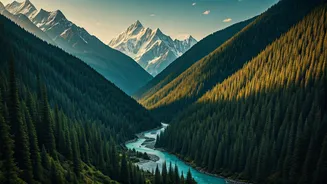
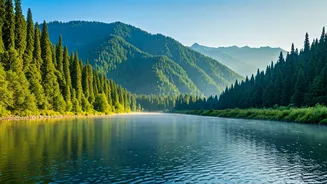
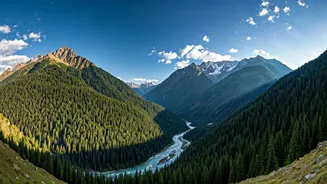
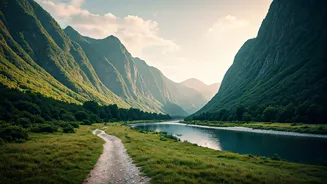
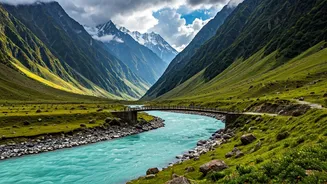
Enter Tirthan Valley. Tucked away in the Kullu district of Himachal Pradesh, this protected region is the answer to the over-tourism prayer. The valley is named for the pristine Tirthan River that flows through it, a tributary of the Beas River that deliberately bypasses the commercial frenzy of its neighbors. What makes Tirthan different is what it lacks: large-scale hotels, noisy tourist markets, and the infrastructure for mass tourism. Its development has been intentionally small-scale and eco-conscious, largely thanks to its proximity to the Great Himalayan National Park, a UNESCO World Heritage Site. This isn’t a place you stumble upon; it’s a destination you choose when you are actively looking to disconnect from the chaos and reconnect with nature on its own terms.
Life Revolves Around the River
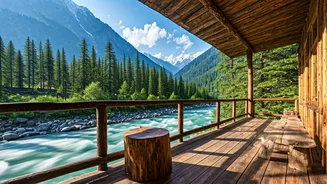
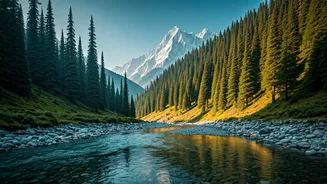
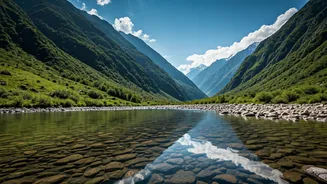
The soul of the valley is the river. Unlike the polluted streams near many commercial hubs, the Tirthan River runs shockingly clear and cold, teeming with trout. The sound of its rushing water is the constant, meditative soundtrack to your stay. It’s not just for looking at; it's the center of life and activity. The valley is an angler's paradise, famous for its brown and rainbow trout (a permit is required). For the less patient, simply finding a smooth boulder by the riverside, dipping your feet into the icy water, and reading a book is a transformative experience. You’ll see locals using charming, hand-pulled rope-and-pulley cableways to cross the river—a simple, ingenious solution that encapsulates the valley's spirit of working with nature, not paving over it.
Beyond the Water's Edge
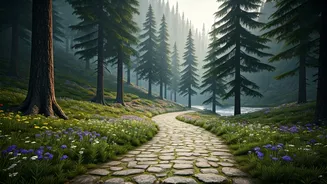
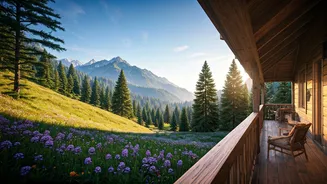
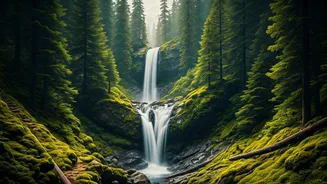
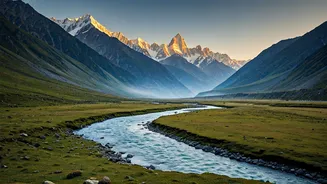
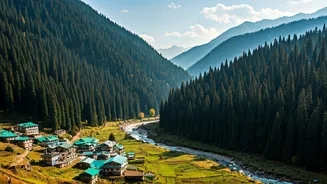
While the river is the main draw, the valley offers layers of discovery. Tirthan is the gateway to the Great Himalayan National Park, an expansive wilderness of alpine meadows and dense forests that’s home to elusive species like the snow leopard and blue sheep. Treks range from gentle day hikes along the river to multi-day expeditions into the park's core. You can walk to stunning waterfalls hidden in the woods or climb to vantage points offering panoramic views of the snow-capped peaks. The villages themselves—places like Gushaini, Nagini, and Jibhi—are destinations. Here, you can witness the unique Himachali architecture of stacked stone and wood, see terraced fields of maize and apples, and experience a way of life that has remained largely unchanged for generations. It’s a cultural immersion, not just a scenic vacation.
Stay Like a Local, Not a Tourist
Perhaps the most crucial element of the Tirthan experience is the accommodation. You won’t find sprawling five-star resorts here. The local economy is built on a network of family-run homestays and small, eco-friendly guesthouses. This model does more than just preserve the landscape; it creates a deeply personal travel experience. You aren't a room number; you are a guest in someone's home. You’ll share meals prepared with ingredients from the family garden, listen to stories about the valley from your hosts, and get travel tips that no guidebook could provide. This intimate style of hospitality ensures that tourism dollars directly support the local community while giving visitors a genuine connection to the place and its people.