

Dahi: The Original Gut-Health Hero
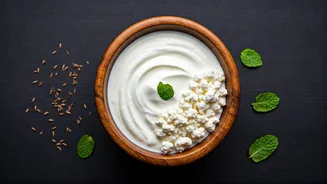
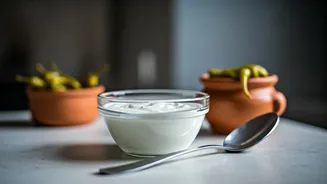
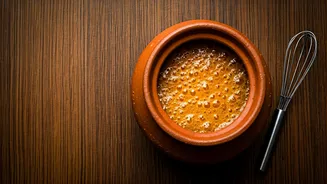
Before there were single-serving Greek yogurt cups in every convenience store, there was dahi. This traditional homemade yogurt is a cornerstone of Indian cuisine and arguably the most recognizable probiotic in the subcontinent's culinary arsenal. Unlike
many commercial yogurts, which can be loaded with sugar and have their live cultures diminished by processing, traditional dahi is simply made by introducing a starter culture to warm milk and letting it ferment. The result is a tangy, creamy, and versatile food teeming with beneficial bacteria. It’s used as a cooling side dish (raita), a base for marinades (like in tandoori chicken), a tenderizing agent, and the star of drinks like lassi. Its widespread use isn't a coincidence; it's a testament to its dual role as a flavor enhancer and a digestive aid, a piece of ancient wisdom we’re just now catching up to.
Dosa & Idli: The Sourdough of the South
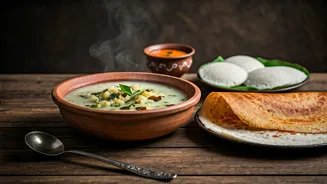
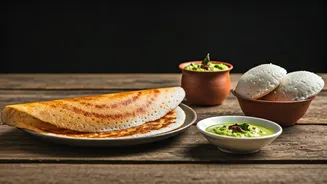
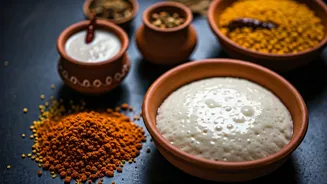
If your only experience with Indian food is creamy curries and naan, you’re missing out on the fermented magic of the South. Enter dosa and idli. Both are made from a batter of ground rice and lentils that is left to ferment overnight. This natural fermentation process does two wonderful things: it predigests the starches and proteins, making them easier on your system, and it populates the batter with wild yeasts and lactobacilli—the good stuff. A dosa is a thin, crispy crepe, while an idli is a soft, steamed savory cake. Served with sambar (a lentil stew) and chutneys, they form a breakfast that’s not only delicious but also fundamentally good for your gut. Think of it as India’s answer to sourdough bread, a staple that’s light, airy, and packed with benefits thanks to the power of fermentation.
Dhokla: A Savory, Spongy, Fermented Snack
Hailing from the state of Gujarat, dhokla is a savory, steamed cake that embodies the concept of healthy indulgence. It’s typically made from a fermented batter of gram flour (chickpea flour) or a mix of rice and lentils. The fermentation process gives dhokla its signature spongy, light-as-air texture and a subtle tang. Once steamed, it's often tempered with sizzling mustard seeds, curry leaves, and green chilies, then garnished with fresh cilantro and coconut. As a naturally gluten-free and vegan snack that’s rich in protein and probiotics, dhokla checks all the boxes for a modern wellness food. It’s proof that you don’t need to sacrifice flavor or texture to eat something that actively supports your digestive health. It's the perfect afternoon snack or light lunch that won't weigh you down.
Achar: Not Your Average Pickle
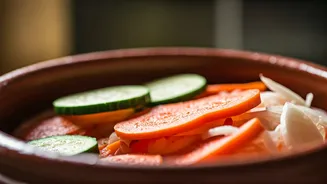
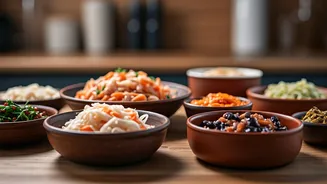
The American pickle aisle is dominated by cucumbers soaked in a vinegar brine. Indian pickles, known as achar, are a different universe entirely. While some are made with vinegar, many traditional varieties are lacto-fermented. This involves preserving vegetables and fruits—like mangoes, limes, carrots, and chilies—in salt and spices, allowing natural bacteria to convert sugars into lactic acid. This ancient preservation method not only creates a product that can last for months but also one that’s bursting with complex, fiery flavor and live probiotics. Achar is not a side dish; it’s a condiment used in small quantities to add a powerful punch of flavor to a meal. A tiny spoonful alongside rice and dal can electrify the entire plate, delivering a dose of gut-friendly bacteria in the process.
Kaanji: The Drinkable Probiotic Punch
While kombucha has become the poster child for fermented drinks in the U.S., India has its own funky, vibrant version called kaanji. This traditional North Indian beverage is most often made with black carrots, which give it a stunning, deep purple hue. The carrots are submerged in water with salt and spices like mustard seeds and left to ferment in the sun for several days. The process creates a tangy, savory, and slightly effervescent drink that’s known for its digestive properties and is especially popular around the Holi festival. It’s a perfect example of how fermentation isn’t just for solid foods. Kaanji is a flavorful, hydrating, and entirely natural way to consume probiotics, offering a glimpse into a world of gut-healthy beverages beyond the usual suspects.