



The Trend That's Centuries Old
Before the first bottle of kombucha was ever sold at a farmers market, grandmothers across the Indian subcontinent were masters of fermentation. For generations, kitchens from Punjab to Kerala have been bubbling with live cultures, not as a wellness trend,
but as a fundamental part of daily cuisine. These foods—collectively known as Desi (a term for people and culture of the Indian subcontinent) probiotics—are now being rediscovered by a new generation of health-conscious Americans, including many in the diaspora who are proudly reclaiming their culinary heritage. It’s not a reinvention, but a reintroduction to powerful, time-tested foods that have been nurturing gut health for centuries.
Meet Dahi, the Original Probiotic Powerhouse
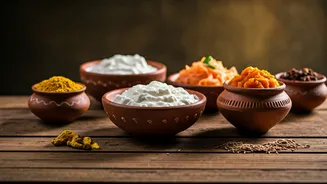
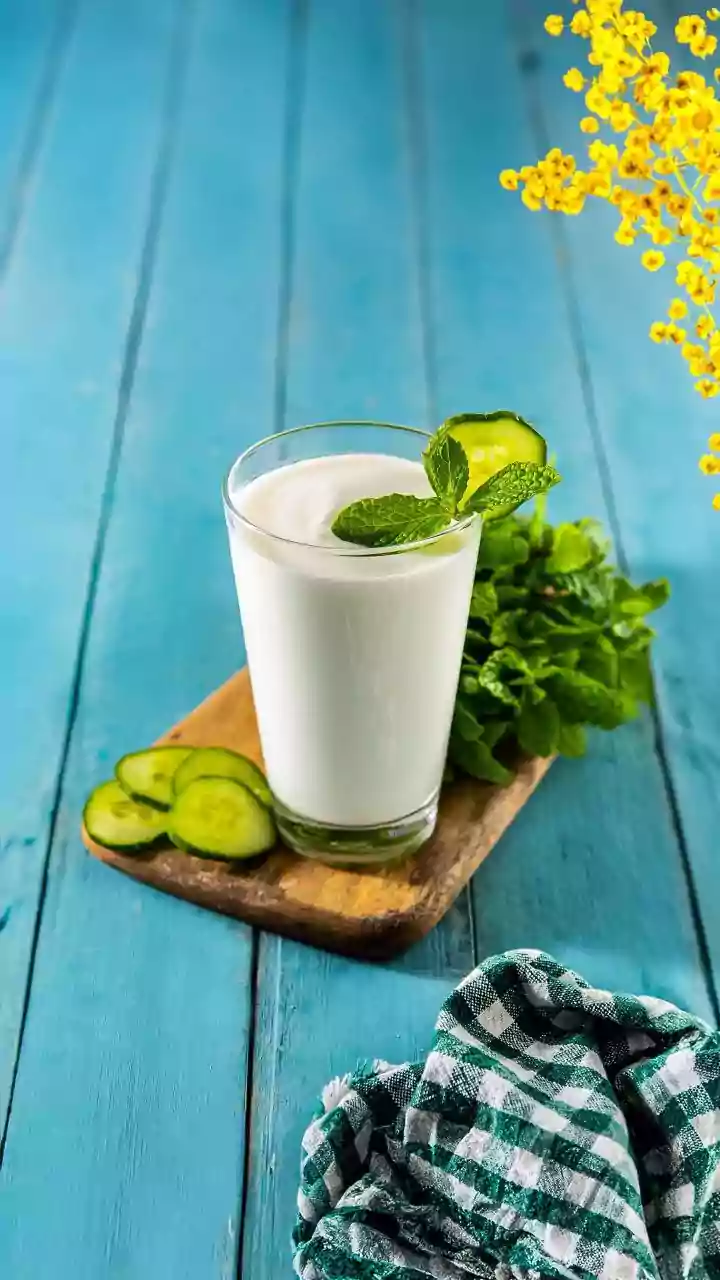
Forget the single-serve plastic cups. The cornerstone of Desi probiotics is dahi, a homemade yogurt that’s worlds away from its mass-produced counterparts. Made by adding a small amount of starter culture (from a previous batch) to warm milk and letting it ferment overnight on the countertop, dahi is a living food. It’s creamier, tangier, and packed with a diverse array of bacterial strains specific to each family’s heirloom culture. In South Asian households, dahi isn't just a snack; it's a digestive aid served with spicy meals, a base for cooling drinks like lassi, and a key ingredient in marinades. Its probiotic qualities are understood not through scientific journals, but through generations of lived experience in soothing the stomach and promoting well-being.
Kanji: The Fermented Drink You’re Missing
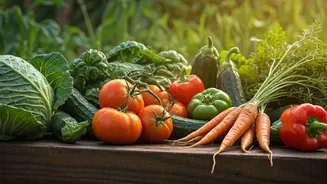
If you’re ready to graduate from kombucha, it’s time to meet kanji. This traditional North Indian fermented beverage, typically made in the winter, is a revelation. The most popular version, gajar ki kanji, is made by fermenting black carrots (or regular carrots and beetroot for color), water, mustard seeds, and salt in a glass jar left in the sun for a few days. The result is a stunning magenta drink that’s sour, pungent, and deeply savory. It’s an acquired taste that quickly becomes a craving. Like other fermented drinks, kanji is teeming with beneficial microbes. Traditionally, it’s consumed as an aperitif to stimulate digestion and is prized for its purported immune-boosting properties during the colder months.
Fermentation Is Everywhere
Once you start looking, you’ll find fermentation at the heart of many beloved South Asian foods. Achaar, the fiery and complex pickles that accompany almost every meal, are often fermented, developing their incredible depth of flavor over time while preserving vegetables. In South India, the beloved fluffy idlis (steamed rice cakes) and crispy dosas (crepes) are made from a batter of rice and lentils that is left to ferment for hours. This process not only leavens the batter naturally but also breaks down the ingredients, making their nutrients more bioavailable and easier to digest. It’s a testament to a culinary philosophy where flavor, preservation, and health are intrinsically linked.
From Grandma’s Kitchen to the Wellness Mainstream
So why the sudden buzz? The shift is twofold. First, the American wellness industry, ever in search of authenticity and the “next big thing,” is looking beyond the usual suspects. Second, and more importantly, second- and third-generation South Asian Americans are driving the conversation. They are sharing their family recipes on social media, launching small-batch food businesses, and writing about the wisdom of their ancestors’ kitchens. It’s a powerful act of cultural reclamation, celebrating foods that may have once been deemed “too ethnic” for the American palate and reframing them as the sophisticated, health-giving treasures they’ve always been.