


From Mega-Cities to New Frontiers
Think of it as a culinary map being redrawn in real time. For years, India’s fine-dining scene was a predictable landscape. The best chefs, the most ambitious concepts, and the biggest investments were clustered almost exclusively in the top-tier metros:
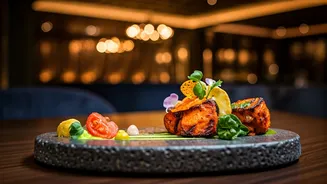
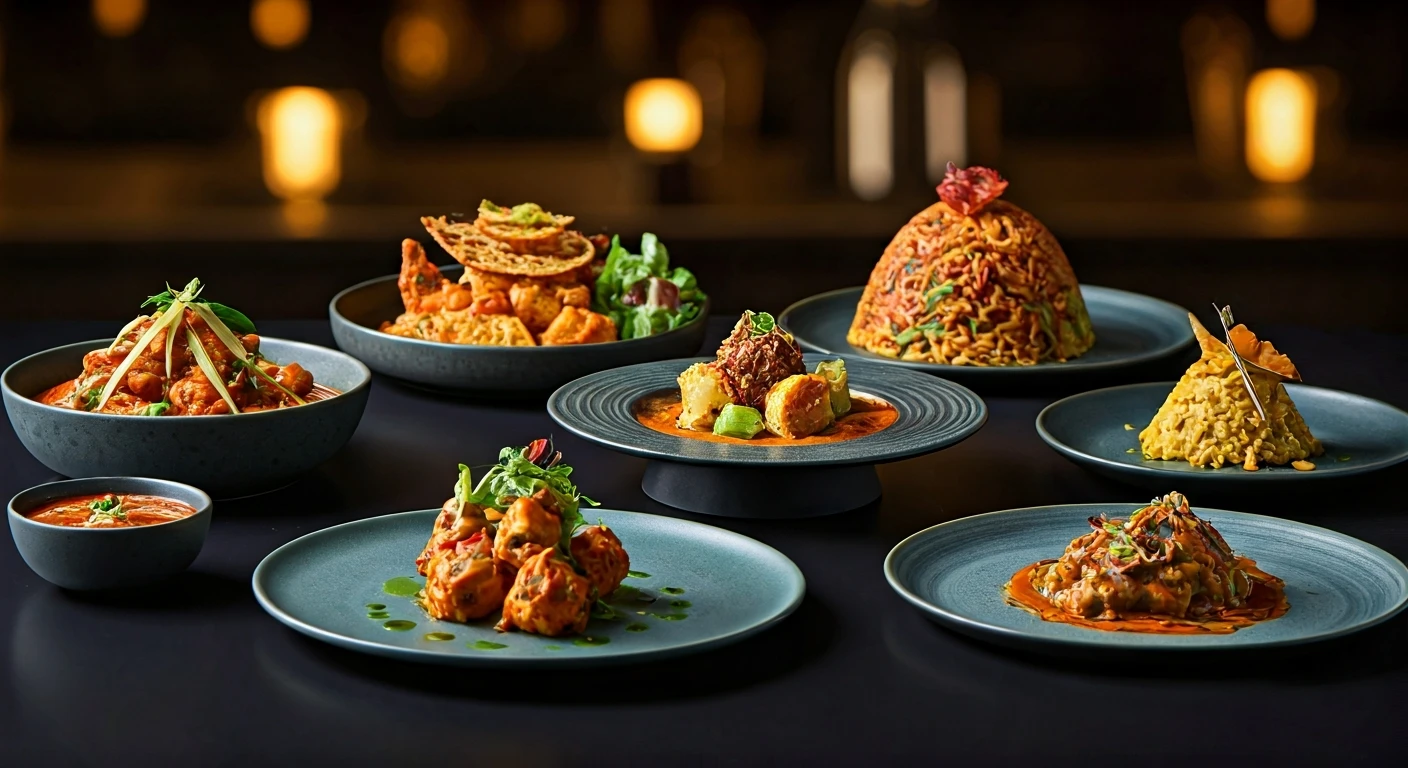
Delhi, Mumbai, and to a lesser extent, Bengaluru. These were the places with the corporate expense accounts, international tourist flows, and established luxury infrastructure. Anything outside this golden triangle was often considered a culinary backwater, limited to local eateries and standard hotel coffee shops. Today, that map looks radically different. The new hotspots aren't just secondary cities; they are cultural capitals in their own right. Places like Jaipur, with its regal past; Goa, with its coastal-bohemian vibe; and Lucknow, the historic seat of Awadhi cuisine, are now home to some of the country’s most exciting new restaurants. These are not watered-down versions of big-city establishments but ambitious, standalone ventures delivering sophisticated, world-class dining experiences.
An Appetite for Experience
So, what's fueling this migration? It’s a perfect storm of economic and cultural shifts. First, wealth in India is decentralizing. A rising, aspirational middle and upper-middle class in so-called Tier 2 and Tier 3 cities now has the disposable income and the global exposure to demand more. They’ve seen the world on Instagram and Netflix, and they want a taste of it at home. The pandemic also played a significant role. With international travel restricted, affluent Indians explored their own country, discovering the richness of domestic destinations. This created a new, discerning local clientele. Restaurateurs, in turn, realized they no longer needed a big-city zip code to attract patrons. In fact, lower real estate costs and less market saturation in regional hubs make them financially attractive places to innovate. The result is a generation of diners hungry not just for good food, but for a great story and an Instagram-worthy 'experience.'
Beyond Butter Chicken
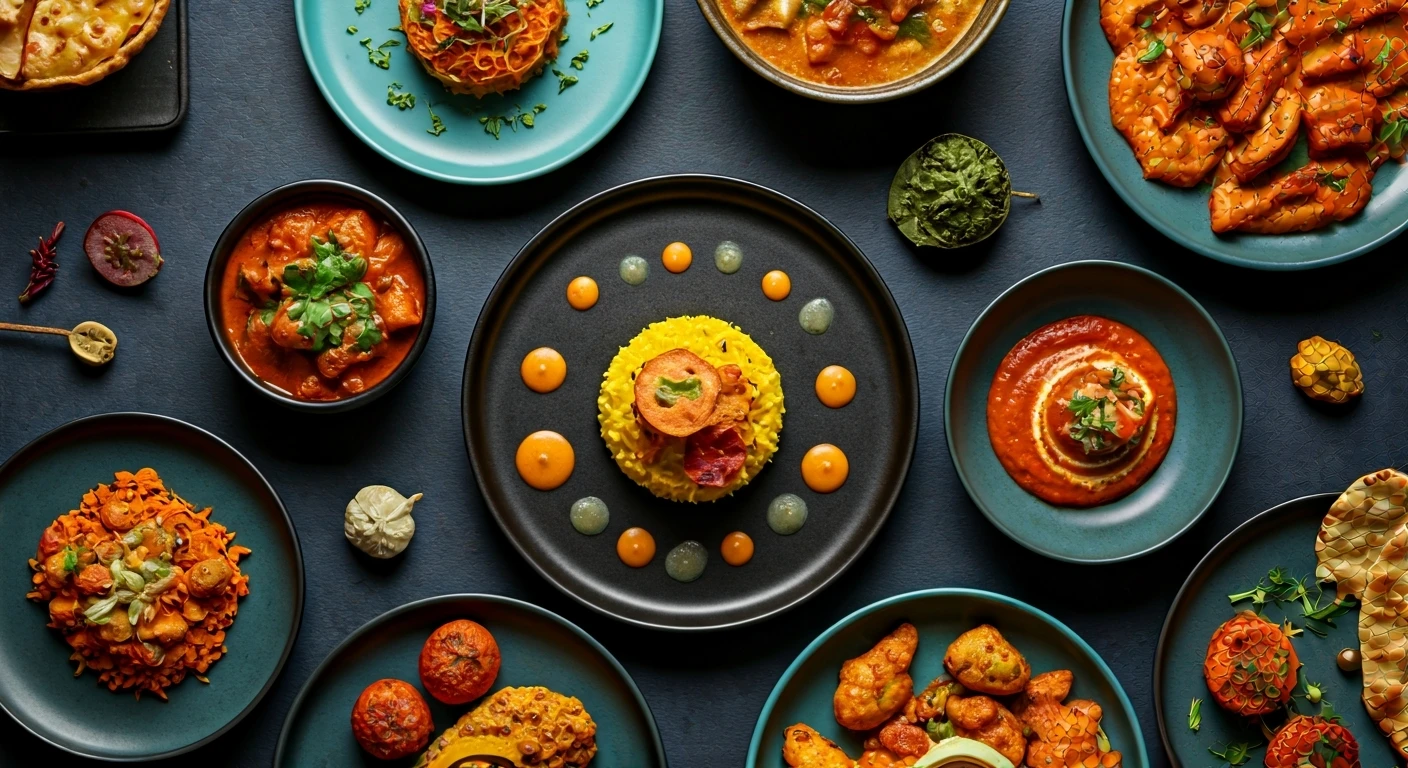
This trend is about more than just geography; it's a renaissance of regional identity. For too long, 'Indian food' on the global and even national stage was reduced to a few Punjabi and Mughlai greatest hits: butter chicken, naan, paneer tikka. The new wave of premium regional dining shatters that stereotype. Chefs are now acting as culinary historians and innovators, digging deep into the specific traditions of their locations. In a city like Jaipur, a chef might create a tasting menu that explores the nuances of Rajasthani desert cuisine, using foraged ingredients and heirloom grains. In Goa, the focus might be on forgotten recipes from the region's complex Portuguese-Saraswat heritage. In the Himalayan foothills, it could be a farm-to-table concept centered on seasonal, local produce. It’s a move away from a generic pan-Indian menu and toward a celebration of hyper-local terroir and technique. This isn't just dinner; it's a delicious and immersive lesson in cultural history.
The Faces of the Movement
This movement is being led by a bold new generation of chefs and restaurateurs. Some are big-name culinary stars from Delhi and Mumbai expanding their empires, like the teams behind acclaimed restaurants such as Indian Accent or Comorin, who see the untapped potential in these growing markets. They bring established brand recognition and operational expertise, instantly elevating the local scene. Others are local heroes—chefs returning to their hometowns after training in Michelin-starred kitchens in New York, London, or Copenhagen. Armed with global techniques but inspired by the flavors of their childhood, they are creating a new, modern Indian culinary language. They build direct relationships with local farmers, revive forgotten cooking methods, and tell personal stories through their dishes. These chefs are not just feeding people; they are building communities and putting their cities on the national, and increasingly international, food map.