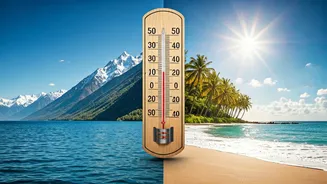







What is Temperature-First Travel?
At its core, temperature-first travel is a simple but revolutionary shift in vacation planning. Instead of starting with a dream destination—say, Italy in August or the Caribbean in December—travelers are starting with their ideal climate. They ask themselves:
“Where in the world will it be a perfect 75 degrees and sunny this October?” or “Which cities offer a crisp, cool 60 degrees for comfortable urban exploration in May?” This approach decouples travel from traditional high seasons and bucket-list locations, prioritizing personal comfort and the quality of the experience over a specific pin on a map. It’s not just about chasing sun; it's about curating a precise weather environment. For some, that’s escaping oppressive summer heat for a “coolcation” in the mountains. For others, it’s finding a reliably temperate spot to extend the feeling of a perfect spring day. The destination becomes the variable, while the climate is the constant.
Why This Trend is Exploding Now
Two major forces have created the perfect storm for this new travel mindset. The first is climate change. Searing, record-breaking heatwaves across Europe and parts of the U.S. have turned once-desirable summer destinations into grueling endurance tests. Travelers are realizing that a trip to Rome in August might involve more time hiding in air-conditioned shops than enjoying ancient wonders. The predictability of weather patterns is waning, making destination-led planning a gamble.
The second driver is the post-pandemic boom in remote and flexible work. Untethered from the office and rigid vacation schedules, millions of Americans now have the freedom to travel during non-traditional times. They no longer have to cram their trips into a sweltering July or a frigid January. This flexibility allows them to chase perfect weather wherever it appears on the globe, effectively redrawing the travel calendar around their own lifestyle and comfort.
Rethinking the Travel Calendar
Temperature-first booking completely upends the concepts of “peak season” and “off-season.” The new peak season is simply wherever the weather is ideal. This might mean that destinations traditionally considered off-season are seeing new waves of visitors. Think the Canary Islands in November, Southern California in February, or the mountains of North Carolina in late August.
This shift benefits both the traveler and the destination. Travelers often find lower prices and smaller crowds by avoiding the traditional summer rush. Meanwhile, tourist economies that once relied on a frantic three-month peak can enjoy a more sustained, manageable flow of visitors throughout the year. The “shoulder seasons”—the months just before and after peak—are becoming the new prime time, as they often deliver the most pleasant weather without the peak-season chaos.
How to Plan Your Perfect-Weather Trip
Adopting a temperature-first strategy is easier than ever, thanks to new tools and a flexible mindset. Start by defining your ideal weather: Do you want warm beach days, cool hiking temperatures, or something in between?
Next, use modern search tools to your advantage. Travel sites like Kayak now have features that let you filter destinations by temperature and month. Google Flights’ “Explore” feature allows you to input flexible dates and see prices for destinations all over the world, letting you spot affordable flights to places with your target climate. Don’t be afraid to broaden your horizons. Instead of fixating on one country, search by region. If you want 70 degrees in March, you might find it in Portugal, Mexico, or the American Southwest. The joy is in the discovery.
Finally, embrace flexibility. The more open you are to different destinations and travel dates, the more likely you are to find that perfect combination of ideal weather, lower cost, and a fantastic new place to explore.