




First Off, Where Is Wayanad?
For most Americans, Wayanad (pronounced why-a-nod) isn't exactly a household name like Tuscany or the French Riviera. Tucked away in the Western Ghats mountains of Kerala in southern India, it’s a rural district known for its staggering natural beauty.
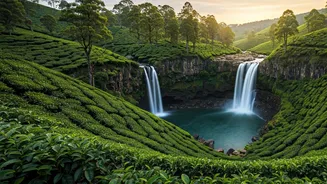
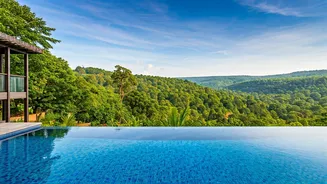
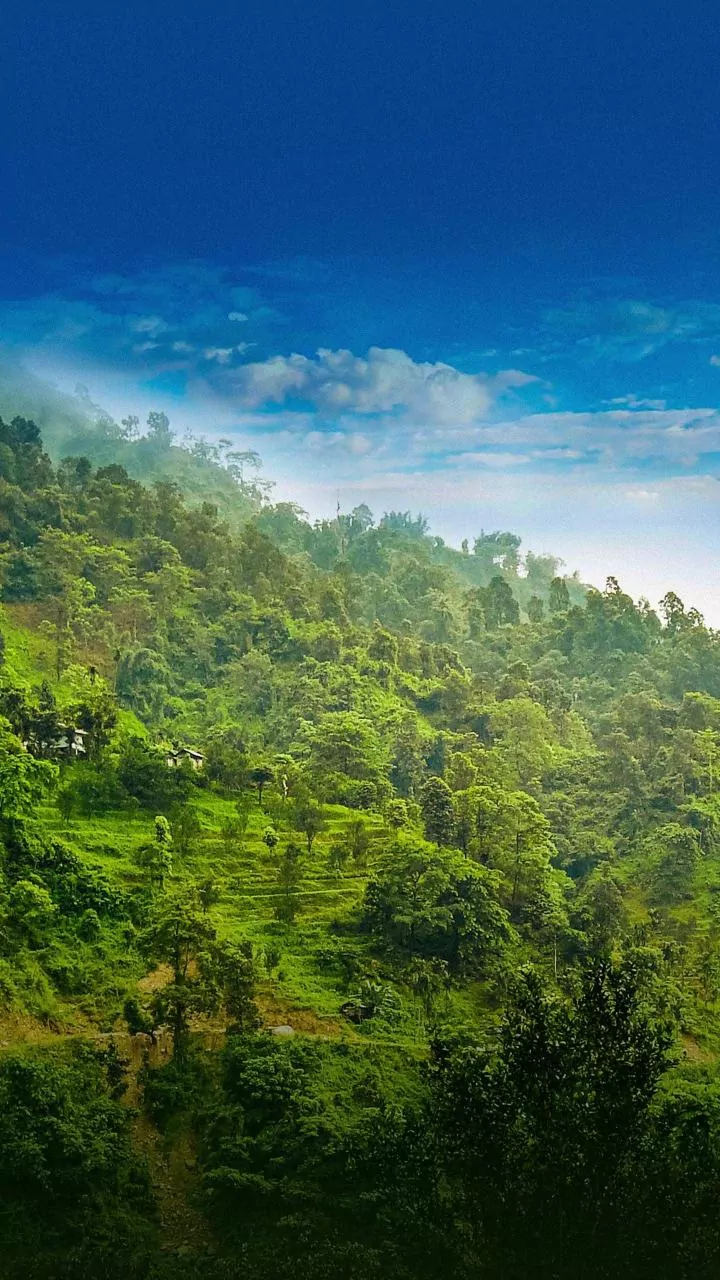
Picture emerald-green tea and coffee plantations blanketing rolling hills, ancient caves with prehistoric etchings, and dramatic waterfalls that come alive during the monsoon. It’s a haven for nature lovers and those seeking a tranquil escape from the urban grind. This isn't a place with mega-resorts and sprawling theme parks; its charm lies in smaller, boutique properties, eco-lodges, and homestays that offer an intimate connection with the landscape. It represents a different kind of vacation—slower, greener, and deeply rooted in its environment.
The Logic of the Discount Blitz
The headline's 'massive discount announcements' aren't random acts of desperation. They are a calculated business strategy revolving around the monsoon season, which typically runs from June to September. For a destination prized for its sunny treks and outdoor views, heavy rainfall traditionally spells 'off-season.' Occupancy rates at resorts can plummet, leaving rooms empty and revenue streams dry. To counteract this, hotels and resort associations have turned to aggressive online pricing. By offering discounts of 40%, 50%, or even more through online travel agencies and social media campaigns, they create a value proposition that’s too good for many to ignore. The goal is to shift the narrative: instead of an inconvenience, the monsoon becomes a season of its own, offering a unique, romantic, and affordable experience.
From Empty Rooms to 'No Vacancy'
And it’s working. The 'booking surge' is a direct result of these campaigns reaching a digitally savvy audience, primarily domestic Indian tourists from nearby cities like Bengaluru and Chennai. For them, a weekend trip to a luxurious resort at budget prices is an easy decision. Reports from local tourism bodies often highlight that properties announcing steep online discounts see their weekend occupancy jump from nearly empty to fully booked within days. This phenomenon underscores the power of dynamic pricing and targeted digital marketing in the modern travel industry. A destination can effectively manufacture its own high season by simply changing the price. This creates a bustling, vibrant atmosphere in a period that was once quiet, providing a much-needed economic boost to the local community, from resort staff to taxi drivers and shop owners.
Is Off-Season the New Smart Travel?
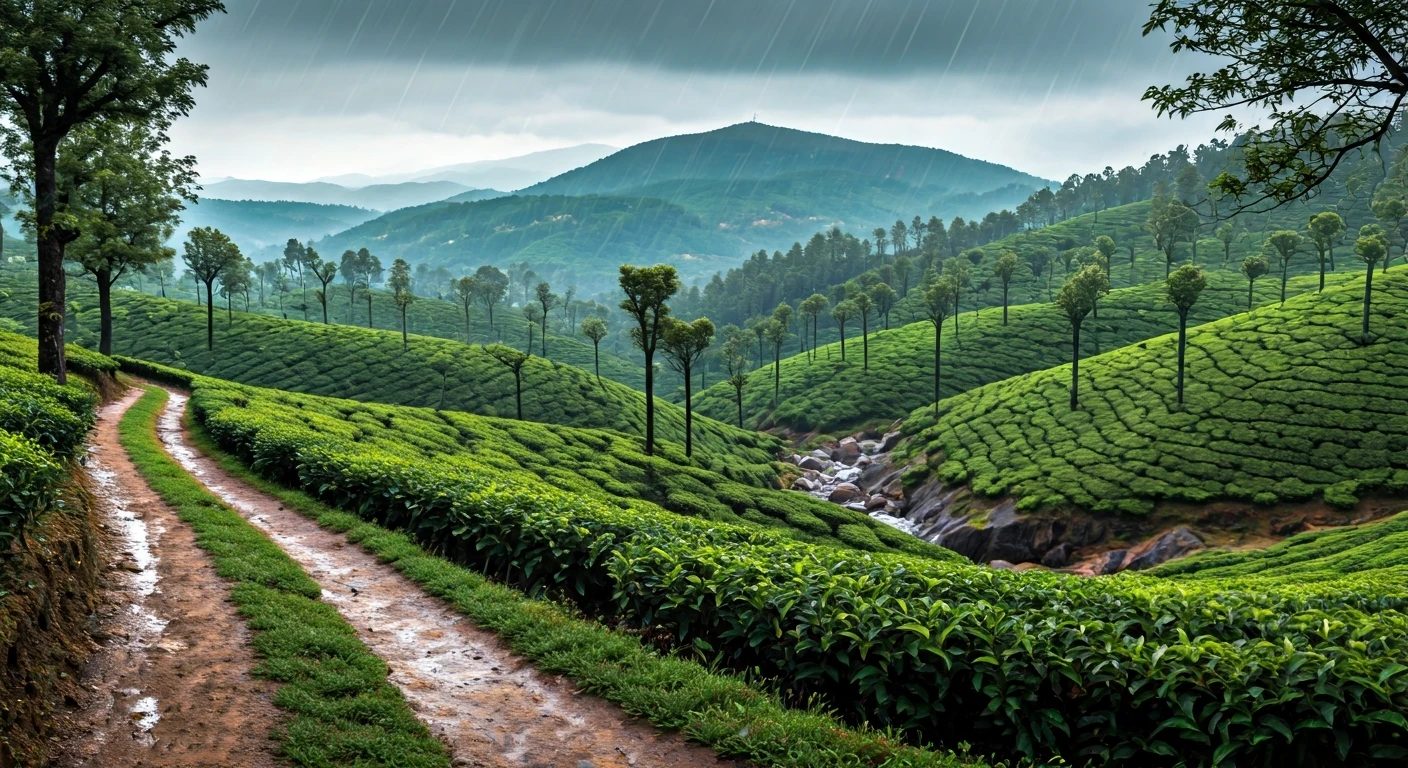
The Wayanad story isn't just an isolated trend; it's a microcosm of a larger shift in global travel. For years, savvy travelers have known the secret of the 'shoulder season'—the period just before or after the peak tourist crush. But what's happening in Wayanad is a more aggressive push into the heart of the off-season itself. It proves that with the right marketing, a destination’s perceived weakness can be turned into a strength. For travelers, this opens up a world of possibilities. The monsoon in Wayanad offers misty, moody landscapes, roaring waterfalls, and a sense of cozy seclusion that you can't get in the dry season. You get fewer crowds, a more authentic local experience, and, of course, incredible value for your money. It’s a compelling argument for rethinking the 'perfect' time to travel, whether you're looking at India, the Caribbean during its rainy season, or a European city in the winter.