




The Samosa: From Street Staple to Gourmet Bite
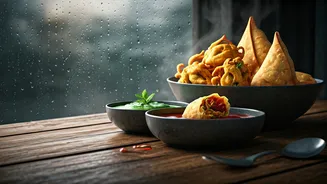
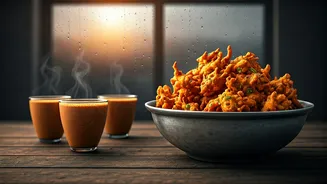
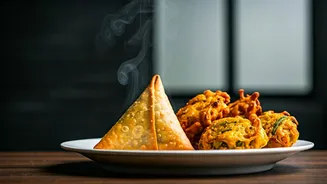
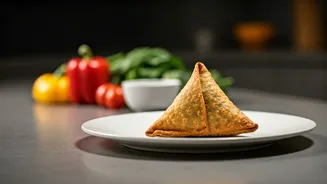
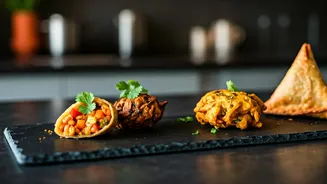
The classic samosa is a pyramid of perfection: a crispy, flaky pastry filled with a spiced mixture of potatoes and peas, fried to a deep golden brown. It’s the undisputed king of rainy-day snacks, often paired with a steaming cup of chai. For generations,
this has been the go-to comfort food, sold at every street corner and made with love in countless home kitchens. The modern twist isn’t about replacing this icon but reimagining its possibilities. Chefs in the U.S. and abroad are deconstructing and reinventing it. Instead of just potatoes, think fillings like pulled jackfruit with barbecue spices, creamy paneer and corn, or even sweet dessert versions with chocolate and nuts. The pastry is also getting an update, with some chefs opting to bake or air-fry their samosas for a lighter, less greasy finish. These aren’t your corner stall samosas; they’re elevated, surprising, and prove that even perfection can evolve.
The Pakora: Beyond Onion and Potato
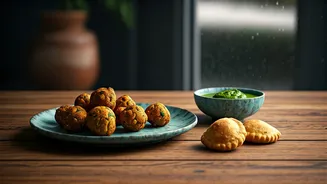
If the samosa is king, the pakora (or bhaji) is the endlessly versatile queen. Traditionally, these are fritters made by dipping sliced vegetables like onions, potatoes, or spinach in a spiced chickpea flour batter and deep-frying them until crisp. They are dangerously easy to eat by the handful, especially when served with a tangy tamarind or mint chutney. Today's pakora is breaking all the rules in the best way possible. Chefs are swapping out the usual suspects for more contemporary ingredients. Imagine crispy kale pakoras that taste like a savory, healthy-ish chip. Or consider zucchini and corn fritters that are lighter and sweeter. Some are even incorporating cheese, like halloumi or feta, for a salty, melty surprise inside the crunchy batter. This new generation of pakoras shows how a simple formula can be a canvas for endless creativity, adding new textures and flavors to a beloved classic.
Bhutta: Corn on the Cob Gets a Flavor Upgrade
Roasted corn on the cob, or bhutta, is a sensory hallmark of the monsoon. Street vendors roast ears of corn over hot coals until they are lightly charred and smoky. They then rub them with a mixture of salt, chili powder, and a generous squeeze of lime juice. The result is a smoky, spicy, tangy, and sweet masterpiece that you eat while trying not to get charcoal on your face. The modern take draws inspiration from global flavors while honoring the original's spirit. Think of it as the Indian street food version of Mexican elote. Chefs are slathering roasted corn with inventive toppings like sriracha-lime aioli, garlic-herb butter, or crumbles of feta cheese and cilantro. Some are even serving it off the cob as “corn ribs”—quarter-cobs roasted with spices that curl up for easier eating, perfect for a restaurant setting where gnawing on a full cob might be less practical. It’s the same satisfying corn, just dressed up for a new audience.
Chaat: Deconstructed and Redesigned
Chaat is less a single dish and more a glorious category of savory snacks defined by a symphony of textures and flavors: crunchy, soft, sweet, sour, spicy, and savory all in one bite. A classic like bhel puri involves puffed rice, onions, potatoes, and crunchy sev noodles tossed in tangy tamarind and spicy mint chutneys. It’s a beautiful mess, meant to be eaten immediately. The modern twist often involves deconstruction and presentation. Instead of a chaotic pile (as wonderful as that is), contemporary chefs are presenting chaat in composed, elegant layers. You might find avocado bhel, where creamy avocado cubes provide a rich counterpoint to the traditional crunch. Or a deconstructed papdi chaat served with yogurt spheres, tamarind gel, and crispy wafers arranged artfully on a plate. This approach tames the wonderful chaos of street-side chaat into something more refined, allowing each individual flavor and texture to shine through without losing the soul of the dish.