
Beyond the Beach Chair
For decades, the quintessential American vacation involved a beach, a book, and a tropical drink. It was a passive escape, designed for maximum relaxation and minimal exertion. But a significant shift is underway. Today’s travelers are increasingly trading
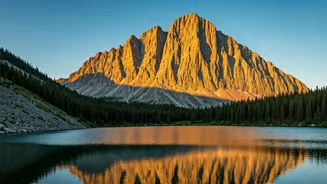
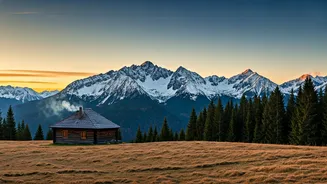
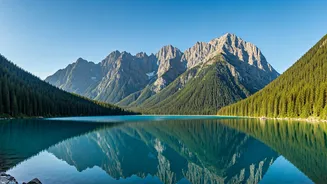
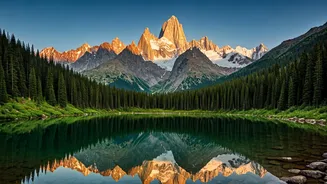
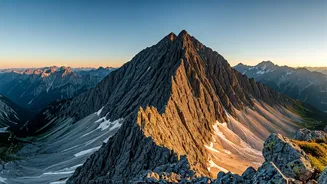
sandy shores for soaring summits, seeking a different kind of reset. This isn't just about swapping flip-flops for hiking boots; it's a fundamental change in what we want from our time off. The new ideal is less about escaping reality and more about reconnecting with it—through physical activity, breathtaking scenery, and the profound quiet of nature. The mountain getaway is an active pursuit, a journey that promises not just a tan, but a transformation.
The Great Health Refresh
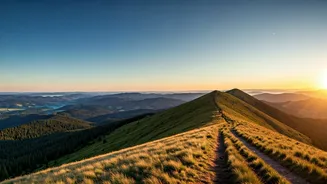
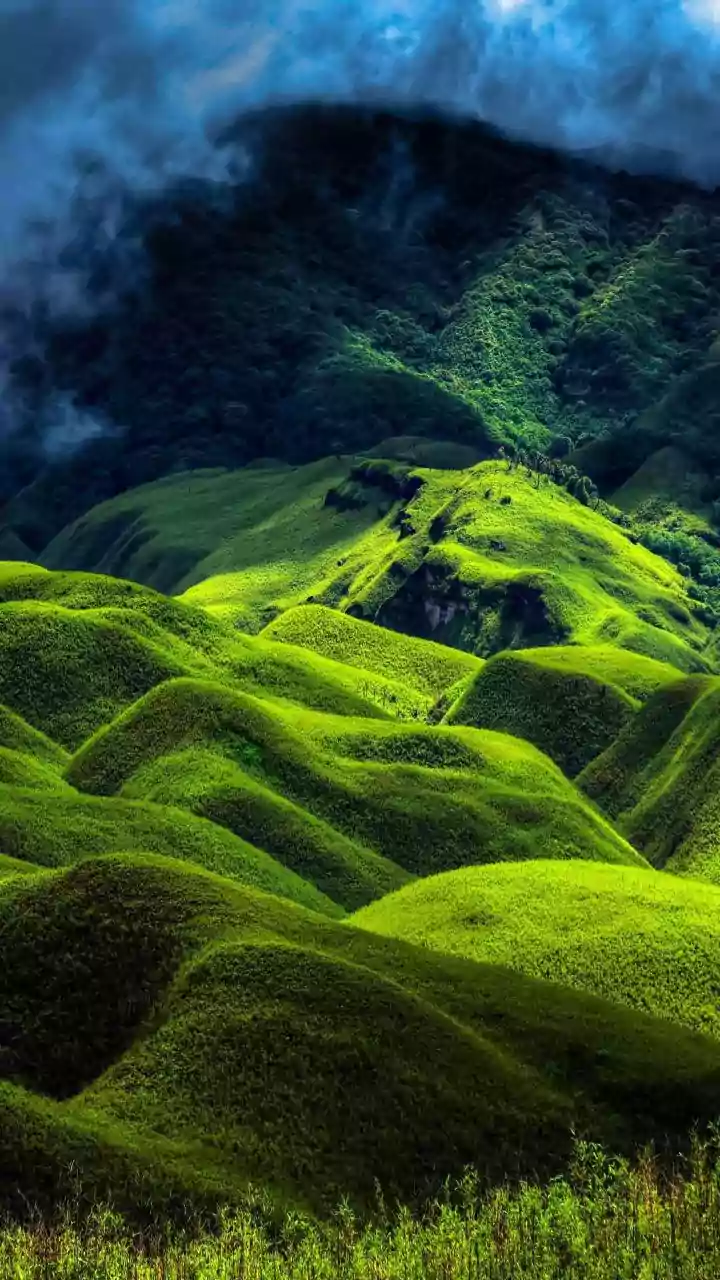
The phrase "mountain air" itself has become a powerful draw, symbolizing a cure for the burnout of modern life. After years spent indoors and online, the appeal of crisp, clean air and wide-open spaces has skyrocketed. This trend is deeply intertwined with the wellness movement, which prioritizes mental and physical health. Travelers are seeking out the scientifically supported benefits of being in nature: lower stress levels, improved mood, and a boost in creativity. Activities like “forest bathing” (mindful walks in the woods) are moving from the fringe to the mainstream. A mountain vacation offers a holistic wellness package—fresh air to breathe, trails to walk, and a sense of scale that puts everyday worries into perspective.
The Year-Round Mountain Town
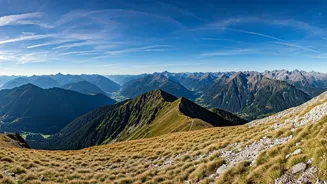
A key driver of this moment is the evolution of the mountain town itself. Places once known only for their winter ski slopes—like Park City, Utah, or Jackson Hole, Wyoming—have successfully rebranded as four-season destinations. The “off-season” is officially dead. Summer now rivals winter in popularity, with world-class hiking, mountain biking, fly-fishing, and vibrant food and arts festivals drawing huge crowds. Fall, with its spectacular foliage and cooler temperatures, has become a prime time for a long weekend. This smart diversification has not only stabilized local economies but also broadened the appeal of mountain life to a much wider audience, proving that the alpine experience is compelling even without a single snowflake.
A New Kind of Luxury
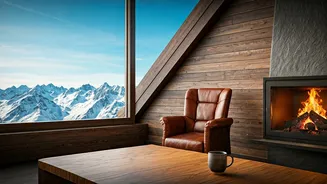
This trend isn’t just for rugged backpackers. The definition of luxury travel is also expanding to embrace the mountains. Forget stuffy ballrooms and formal service; the new luxury is about experience and authenticity. High-end travelers are flocking to sophisticated mountain resorts that offer five-star amenities alongside guided treks and private yoga sessions with panoramic views. It's a version of “quiet luxury” where the ultimate status symbol isn't a designer logo, but access to pristine nature, exclusive trails, and farm-to-table dining sourced from the surrounding landscape. These destinations blend rustic charm with impeccable comfort, catering to a clientele that wants to get its hands dirty during the day and sip fine wine by a roaring fire at night.
Digital Nomads on Higher Ground
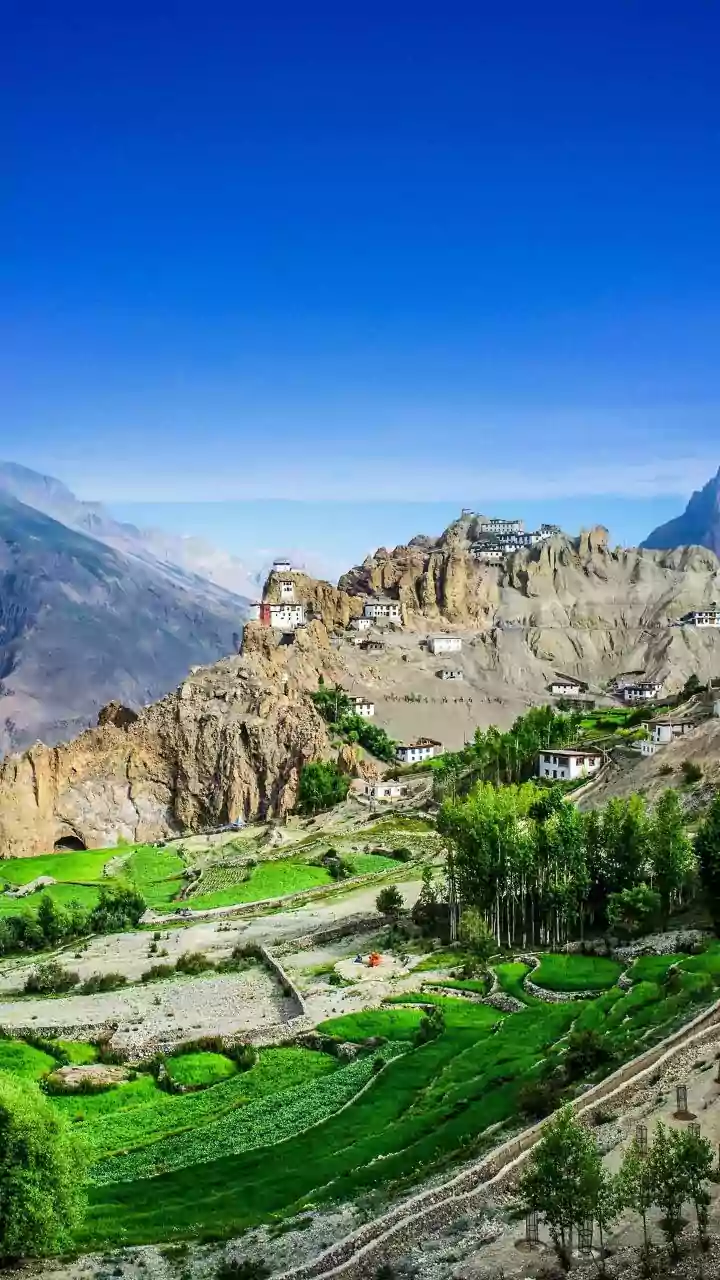
The rise of remote work has untethered millions of Americans from their desks, and many are choosing to set up their new offices at 8,000 feet. The ability to “work from anywhere” has turned mountain towns into popular hubs for digital nomads and families looking for extended stays. Why work from a cramped city apartment when you can take your Zoom calls with a view of the Rockies? This has fueled a boom in long-term rentals and created a new kind of resident-tourist hybrid. It allows people to immerse themselves in the mountain lifestyle for weeks or months at a time, moving beyond a simple vacation and truly living, working, and playing in the heart of nature.