

Subject 1: Advanced Hydration
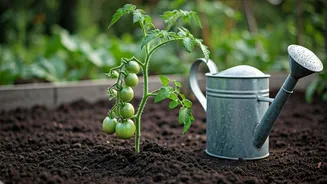
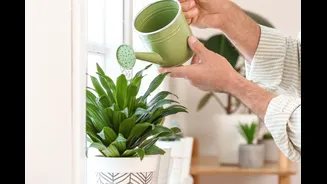
Your first test is managing water. As temperatures climb, your plants’ thirst becomes insatiable. The mistake many rookies make is frequent, shallow watering. This encourages shallow roots, leaving plants vulnerable during a heatwave. The passing grade
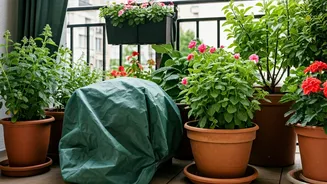
here requires deep, infrequent watering. Your goal is to soak the soil to a depth of 6-8 inches, which encourages roots to grow downward in search of moisture. The best time to do this is early in the morning before the sun gets intense, which minimizes evaporation and allows leaves to dry, reducing the risk of fungal diseases. Not sure if it's time to water? The finger test is your friend: stick your index finger two inches into the soil. If it comes out dry, it’s time to irrigate. If it’s damp, you can probably wait another day. Container plants are the exception—they're in summer school and need daily checks.
Subject 2: The Pest Control Pop Quiz
Just as your plants hit their stride, the villains arrive. June is peak season for aphids, spider mites, squash bugs, and the dreaded Japanese beetle. Your pop quiz is to handle them before they decimate your hard work. For aphids and spider mites, a strong blast of water from the hose can often dislodge them. For more stubborn infestations, insecticidal soap or neem oil are excellent, less-toxic options. For larger culprits like squash bugs or tomato hornworms, the best defense is a good offense: daily inspection. Hand-pick them off and drop them into a bucket of soapy water. To earn extra credit, practice companion planting. Marigolds are known to deter nematodes and other pests, while planting nasturtiums can act as a "trap crop" for aphids, luring them away from your precious vegetables.
Subject 3: Weed Warfare & Mulch Theory
Weeds are the ultimate cheaters, stealing water, nutrients, and sunlight from your deserving plants. In June, they grow with alarming speed. Don't let them take over. The most effective strategy is consistent, early intervention. Pulling them after a good rain or a deep watering session is easiest, as the soil is soft and the entire root comes out more readily. But the real masterclass is in prevention, and that means mulch. Applying a two- to three-inch layer of organic mulch (like shredded bark, straw, or compost) around your plants does three things beautifully: it smothers and prevents weed seeds from germinating, it helps the soil retain that precious moisture you just added, and it regulates soil temperature. Think of it as creating a cheat sheet that guarantees you'll pass the test of a tidy, healthy garden bed.
Subject 4: Structural Engineering for Plants
Your plants are growing tall and proud, but with great height comes great instability. This is the structural engineering portion of your exam. Indeterminate tomatoes, which can vine to incredible lengths, absolutely require staking or caging to keep fruit off the ground and improve air circulation. Vining plants like cucumbers, pole beans, and some squash varieties will be much healthier and more productive if given a trellis to climb. Even your prized perennials might need a little help. Peonies, with their famously heavy blooms, often flop over after a rainstorm. A simple peony ring or grow-through grid installed early in the season can save their beautiful faces from a mud bath. Providing support isn’t just about aesthetics; it’s about preventing disease and broken stems, ensuring your plants can focus their energy on producing flowers and fruit.
Final Exam: The First Harvest
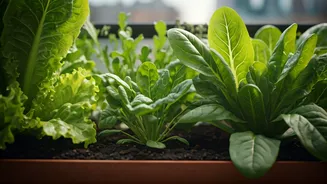
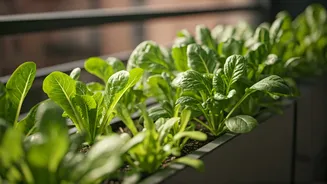
This is the best part of the test—the one where you get to taste your success. Many cool-weather crops will be ready for their final bow. Harvest leafy greens like lettuce and spinach before the intense heat causes them to "bolt" (flower and turn bitter). Radishes, peas, and green onions are also reaching their peak. Berries, especially strawberries, are a June highlight. Harvest them when they are fully colored and fragrant. For herbs, regular trimming encourages bushier, healthier growth. The key to this final exam is knowing that for many plants, harvesting is a signal to produce more. By picking your beans, snipping your basil, and plucking your zucchini, you’re not just reaping rewards—you’re telling the plant to keep up the good work. It’s a gratifying, ongoing final that lasts all summer.