
From Risky Hacks to Responsible Habits
Remember the era of “just trust me” cooking? It wasn’t long ago that social media feeds were dominated by mesmerizing but questionable food hacks. From people deep-frying bacon-wrapped butter sticks to the infamous and dangerous “sleepy chicken” trend
(marinating chicken in NyQuil), entertainment often overshadowed basic safety protocols. For every brilliant recipe, there seemed to be a dozen that made food safety professionals shudder. These viral moments often lacked crucial context about cross-contamination, proper cooking temperatures, or the risks of unvetted preservation techniques like freestyle canning. The focus was on the visual 'wow' factor, leaving millions of viewers to potentially replicate unsafe practices in their own kitchens. This period highlighted a significant gap between the creators producing content and the foundational knowledge required to do so responsibly.
Experts Have Entered the Chat
The pendulum is finally swinging back. The most significant shift in kitchen content is the rise of the expert creator. Food scientists, public health professionals with a food safety focus, registered dietitians, and veteran chefs are no longer just academic or industry figures; they are bona fide influencers. Creators with handles like @foodsciencebabe have amassed huge followings by calmly and clearly debunking dangerous myths and explaining the 'why' behind kitchen rules. They use their platforms to stitch and react to unsafe videos, not just to scold, but to educate. A video of someone improperly washing a raw chicken might now be followed by an expert explaining why that practice actually splashes bacteria like salmonella all over the kitchen. This influx of credible voices has created a new standard. Viewers are becoming more discerning, and the algorithm is learning to reward clear, evidence-based information over pure shock value.
The New Cues of Quality Content
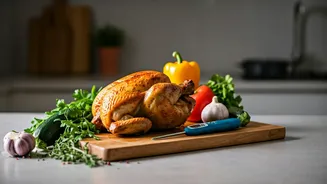
So what does this new, safety-smart content look like? It’s often less about what’s said and more about what’s consistently shown. The best creators now model good behavior as a default. They call out internal cooking temperatures and visibly use a meat thermometer, demystifying a crucial safety step. They make a point of washing their hands after touching raw meat or eggs. They use different cutting boards for produce and raw proteins, casually explaining the importance of avoiding cross-contamination. In baking content, they’re more likely to recommend using a scale for accuracy, which also happens to be more hygienic than scooping flour with a measuring cup that’s touched other ingredients. These small, integrated actions normalize safe practices and teach viewers better habits without delivering a boring lecture. It’s education by demonstration, and it’s proving incredibly effective.
How Backlash Creates Better Habits
Ironically, the online cycle of outrage and correction has been a powerful engine for this change. When a dangerously unsafe video goes viral, it inevitably triggers a wave of response videos from experts and informed amateurs alike. This backlash, while sometimes dramatic, serves a vital public service. It not only alerts viewers to the specific danger but also floods the platform with correct information, effectively creating a searchable, teachable moment. Creators, seeing the negative engagement (and potential brand risk) that comes from promoting unsafe practices, are incentivized to clean up their act. The fear of being the next viral 'fail' is a potent motivator. This self-correcting ecosystem, driven by a more educated audience and a vocal expert community, is slowly but surely raising the bar for everyone.