





The End of the Perfect Grid
For the better part of a decade, the dominant currency on platforms like Instagram was perfection. Feeds were meticulously curated, with each photo color-coordinated to fit a flawless, cohesive grid. Every sunset was spectacular, every brunch was photogenic,
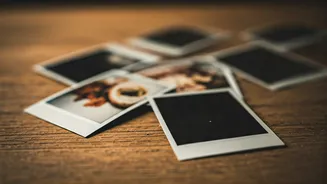
and every outfit was effortlessly chic. This was the era of the high-production influencer, where life was presented as a highlight reel, polished to a glossy, aspirational sheen. But look around your feeds today, and you’ll see the cracks in that facade. The hottest trend isn't another perfectly staged vacation shot; it's the 'photo dump.' It’s the blurry concert photo, the half-eaten plate of pasta, the weird sign you saw on the street, and a screenshot of a funny text—all tossed together in a single, chaotic carousel post. This is the rise of the anti-aesthetic, a deliberate move away from curated perfection toward something that feels, at least on the surface, more real.
From Burnout to Authenticity
So, why the sudden shift? In a word: exhaustion. The pressure to perform a perfect life online became a full-time job, not just for professional influencers but for regular people, too. The pandemic accelerated this feeling, as the disconnect between our isolated, messy reality and the glossy online world became too vast to ignore. As people re-evaluated their priorities, maintaining a flawless digital facade started to feel not just exhausting, but absurd. This trend is particularly championed by Gen Z, a generation that grew up in the shadow of the millennial-pink, perfectly curated internet and seems determined to rebel against it. For them, authenticity isn't about looking perfect; it's about sharing a more holistic, and often more chaotic, version of their lives. Platforms like TikTok and BeReal, with their emphasis on spontaneous, low-fi video and unedited snapshots, have normalized this casual approach. The photo dump on Instagram is simply that ethos bleeding over into the platform that once defined digital perfection.
Anatomy of the Anti-Aesthetic
What does this 'unfiltered' look actually entail? It’s a mix of intentional nonchalance and genuine spontaneity. Think photos taken with a flash in a dark room, creating harsh shadows and red eyes—a look once considered a photographic sin. It’s a selfie taken from a low, unflattering angle or a picture that's slightly out of focus. It's a collection of images that don't tell a coherent story but instead offer a random, almost stream-of-consciousness glimpse into someone’s day or week. The captions are often just as low-effort: a single, cryptic emoji, a random date, or a simple 'recap.' The goal is to communicate a sense of immediacy and intimacy, as if you’re sharing inside jokes with close friends rather than broadcasting a polished persona to the world. It’s less about 'look what I did' and more about 'this is what my life felt like.'
The Performance of Not Performing
Of course, there’s an inherent irony here. Is this messy aesthetic truly authentic, or is it just a new form of performance? When a trend becomes popular, it inevitably becomes codified. People start to learn the 'rules' of looking like they don't care. The 'right' kind of blurry photo, the 'cool' way to be messy, the 'effortless' combination of random images—it all can become another aesthetic to master. This is the central paradox of social media: the moment you are aware you're being watched, true authenticity becomes nearly impossible. 'Casual posting' can quickly become 'performative casualness.' However, even if it is a performance, it's a performance of a different, more relatable humanity. It signals a cultural shift away from aspiring to be flawless and toward aspiring to be interesting, funny, and unbothered. It's a rejection of the idea that one's online self must be an idealized, airbrushed avatar.