




A Living Culture, Not a Museum
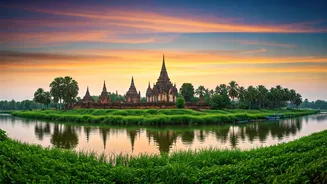
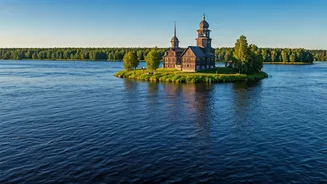
Forget dusty relics behind glass. Majuli’s main cultural draw is its network of Sattras, unique Vaishnavite monasteries that have served as the spiritual and artistic heart of Assam for over 500 years. These are not silent, empty ruins; they are vibrant,
living institutions. Here, young monks learn classical music, dance (known as Sattriya, a recognized classical form), and philosophy. Visitors can witness daily prayers, watch mesmerizing performances, and feel the pulse of a tradition that has been passed down through generations. To visit a Satra is to step into a continuum, where art and devotion are inseparable from daily life. This isn't just sightseeing; it’s a profound cultural immersion that asks you to listen and observe, rather than just look.
The Art of Sustainable Living
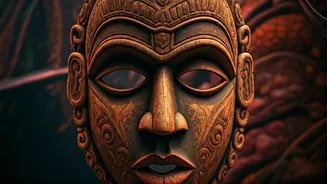
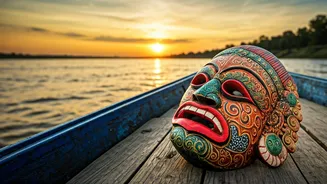
Conscious travel is about supporting local, sustainable economies, and Majuli is a masterclass in this. The island is dotted with villages where craftsmanship is not a hobby, but a way of life. In Samaguri Satra, you’ll find the world-renowned mask-makers, who create elaborate, expressive masks from bamboo, clay, and cloth for use in traditional theater. In the potters’ village of Salmora, artisans use ancient techniques, shaping clay pots by hand without a wheel and firing them in riverside kilns. The Mising tribe, one of the island's main indigenous communities, are expert weavers, creating stunning textiles on handlooms outside their stilt homes. Buying a piece of art here isn’t a simple transaction; it's a direct investment in preserving a culture and rewarding skilled artisans for their heritage work.
An Island Shaped by Water
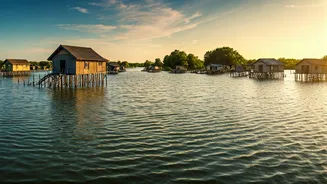
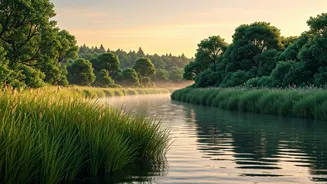
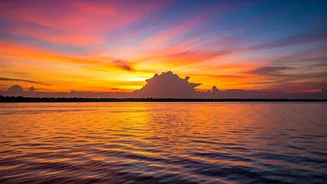
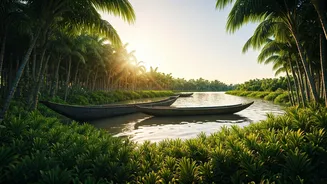
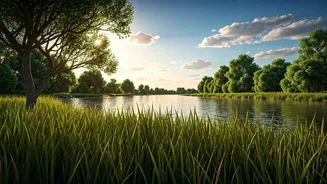
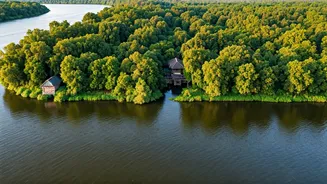
Majuli's very existence is defined by the Brahmaputra, one of the world's most formidable rivers. Often cited as the largest river island on the planet, its landscape is a serene mosaic of wetlands, rice paddies, and small forests, best explored by bicycle or scooter. Life moves at the river’s pace. The Mising people build their homes on stilts to adapt to the annual monsoon floods, a testament to human resilience. The island is a haven for biodiversity, attracting numerous migratory birds, making it a paradise for birdwatchers. Traveling here requires an acceptance of nature’s power. Ferries are the only way on and off, and their schedules are dictated by the river's mood. This forces a slower, more intentional mode of travel, stripping away the frantic pace of modern life and reconnecting you with natural rhythms.
Beauty on the Brink
Herein lies the most urgent reason for a conscious visit: Majuli is disappearing. Aggressive riverbank erosion, exacerbated by climate change and upstream dams, is relentlessly washing away the island. Scientists estimate that Majuli has lost over a third of its landmass in the past 50 years. Entire villages, rice fields, and even Sattras have been consumed by the river. Visiting Majuli is not just about appreciating its idyllic beauty, but also about bearing witness to its fragility. It’s an encounter with the immediate, tangible effects of the global climate crisis. This adds a powerful layer of meaning to the experience. Your presence as a thoughtful traveler helps sustain the very culture that is under threat, while the island's plight serves as a poignant, unforgettable lesson in environmental impermanence.