
An Introduction to the Pakora
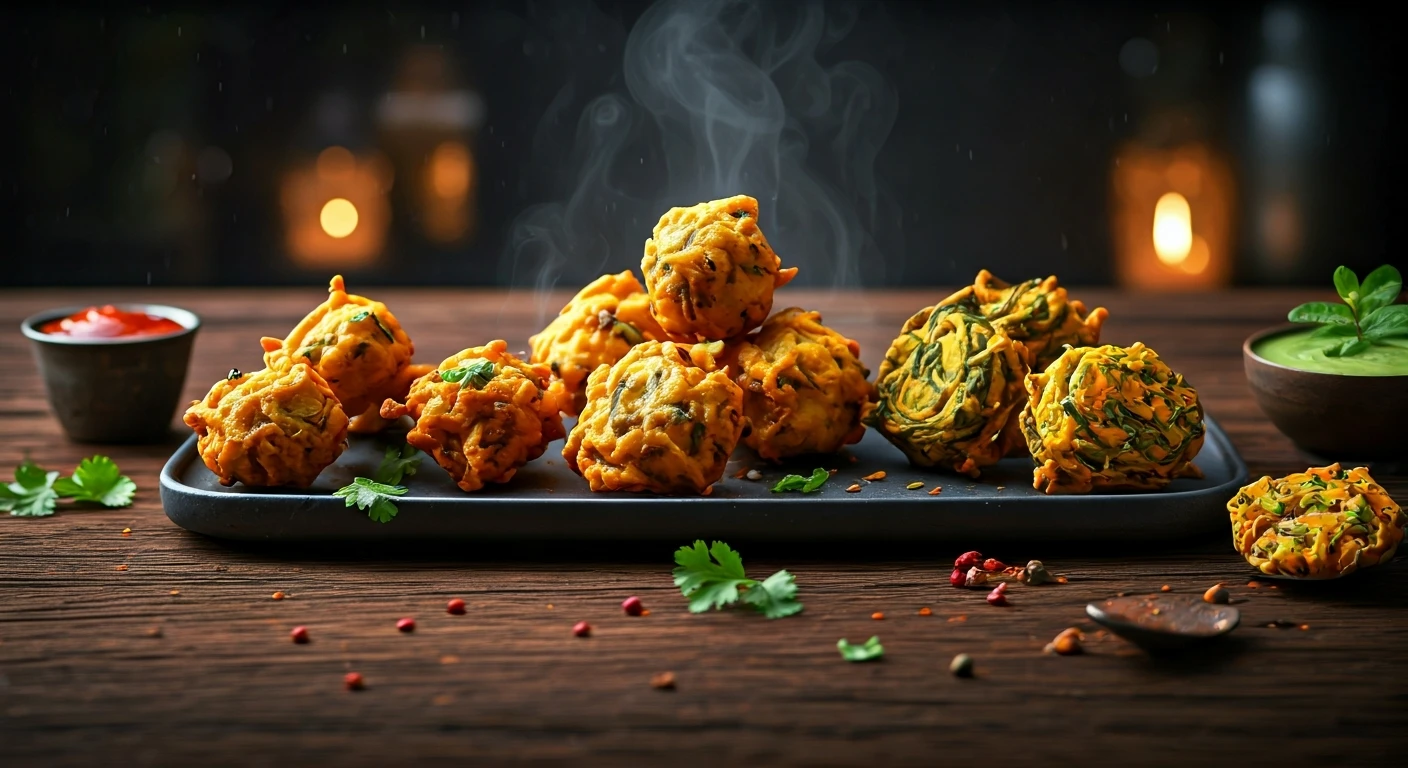
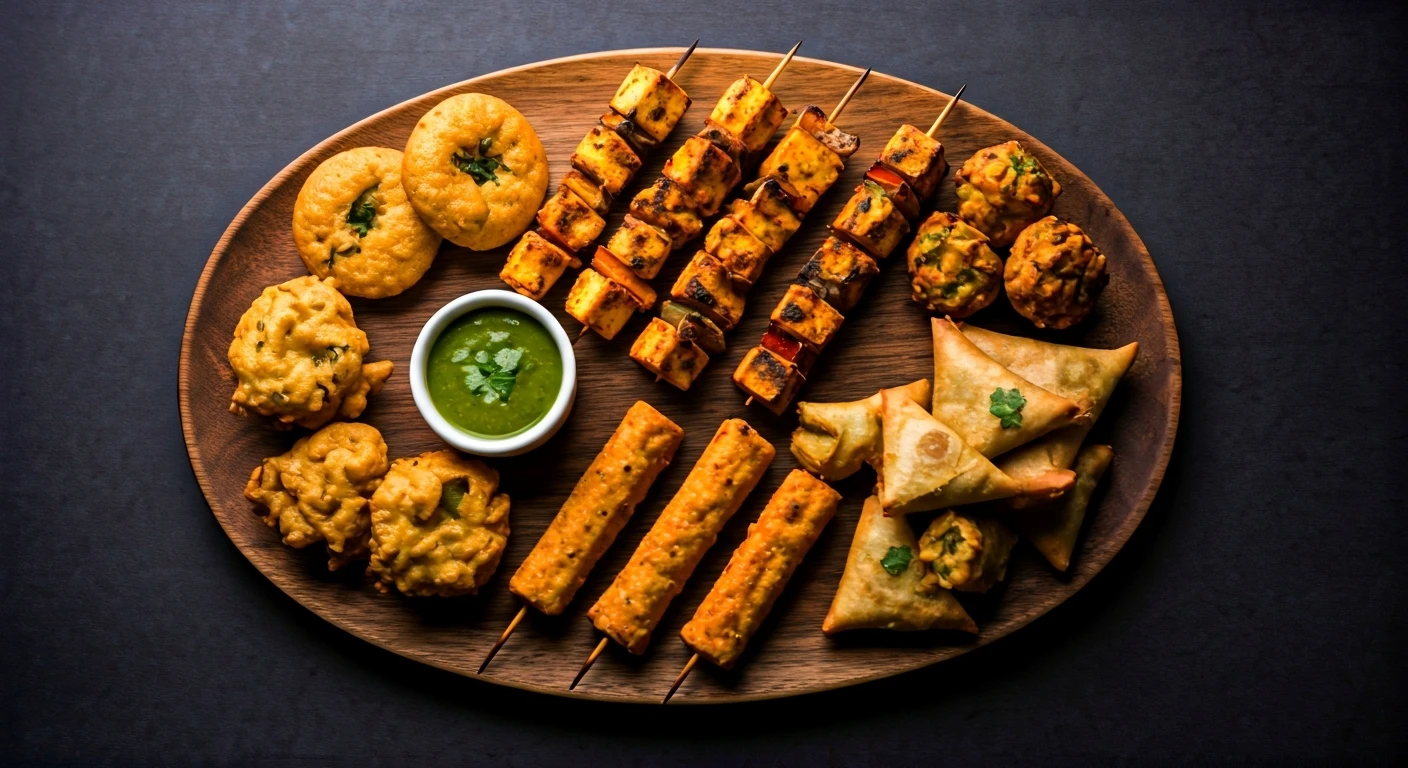
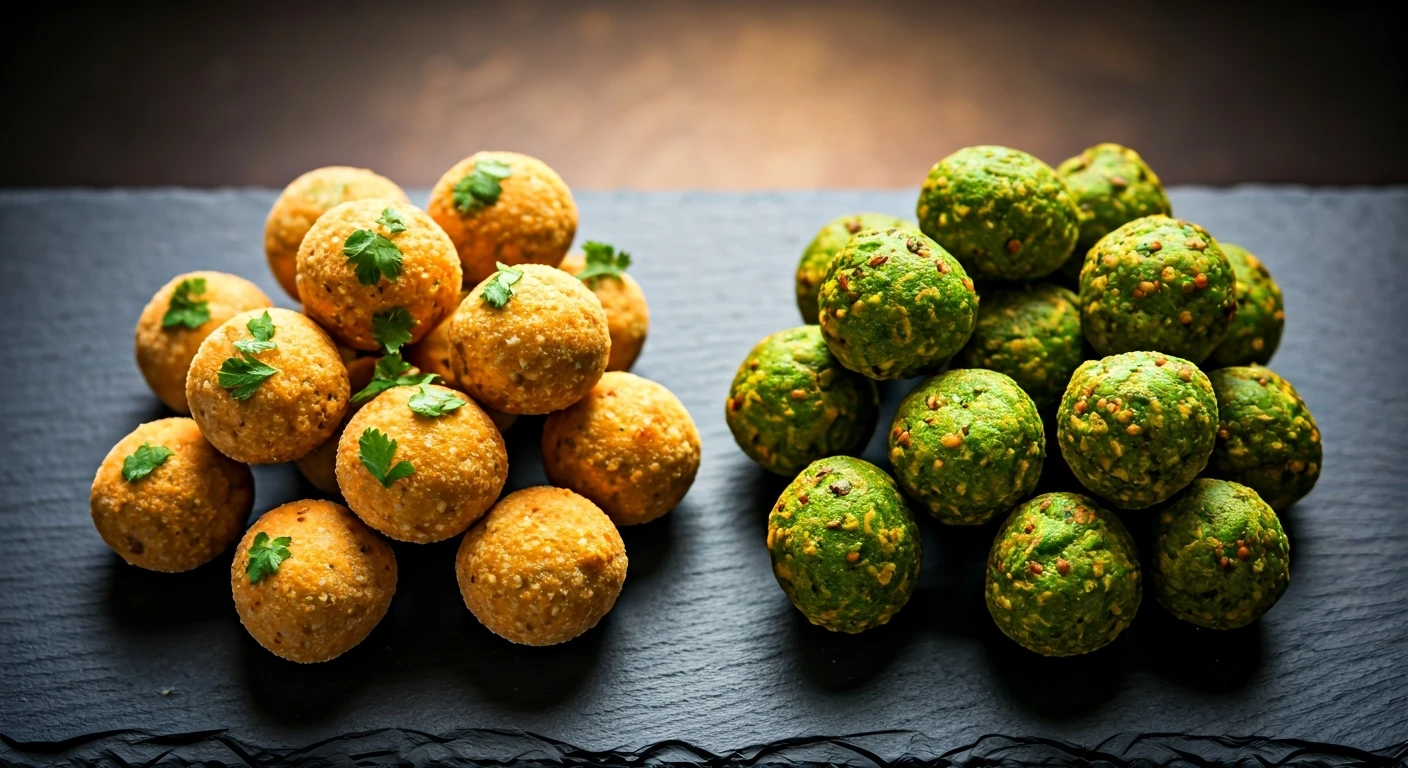
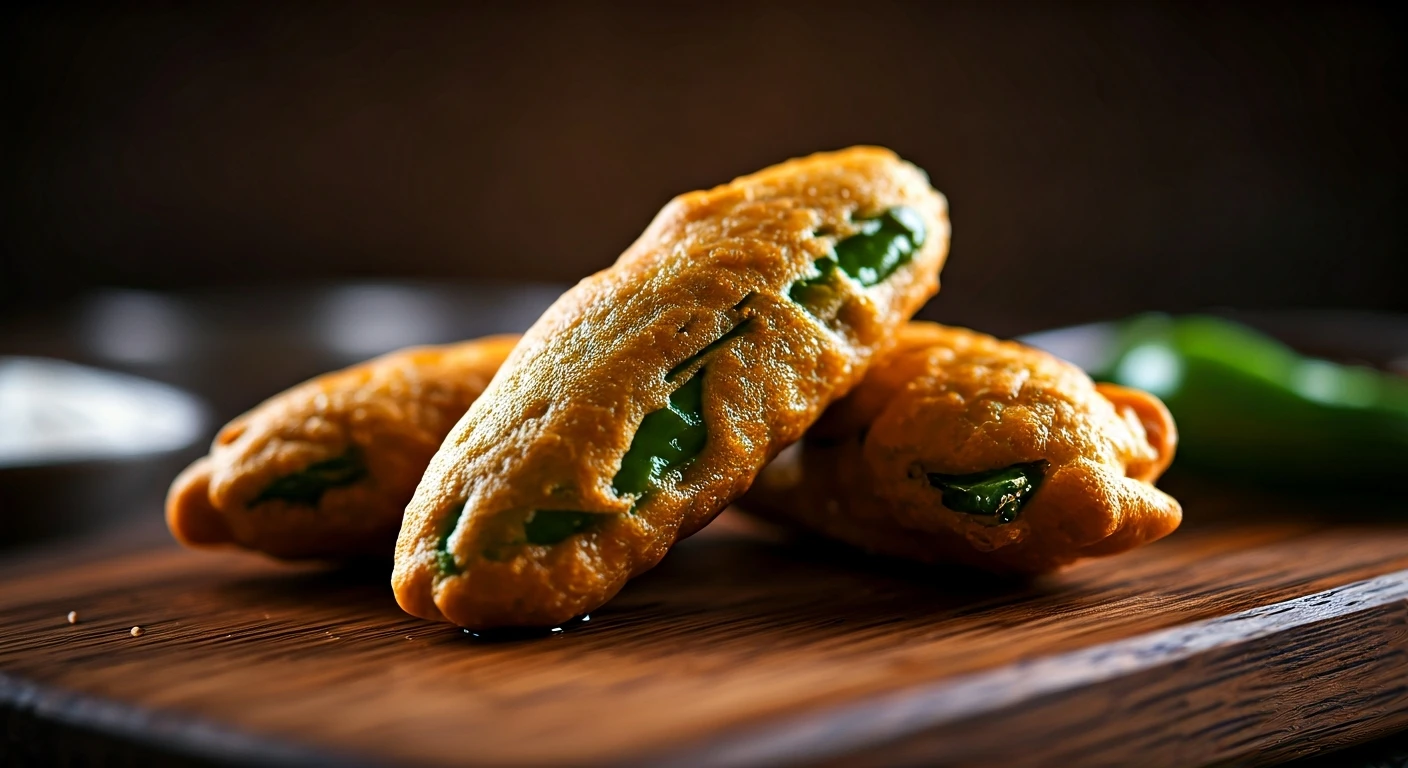
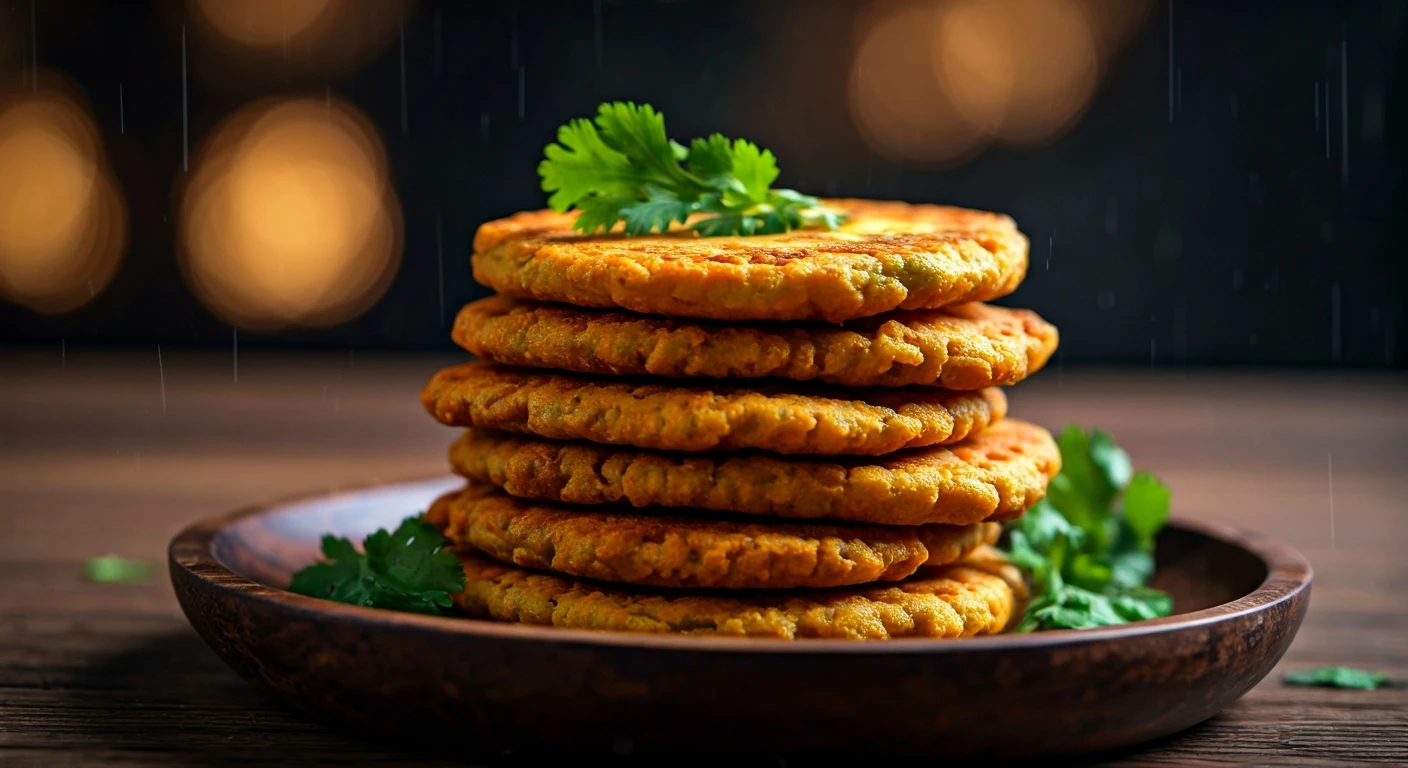
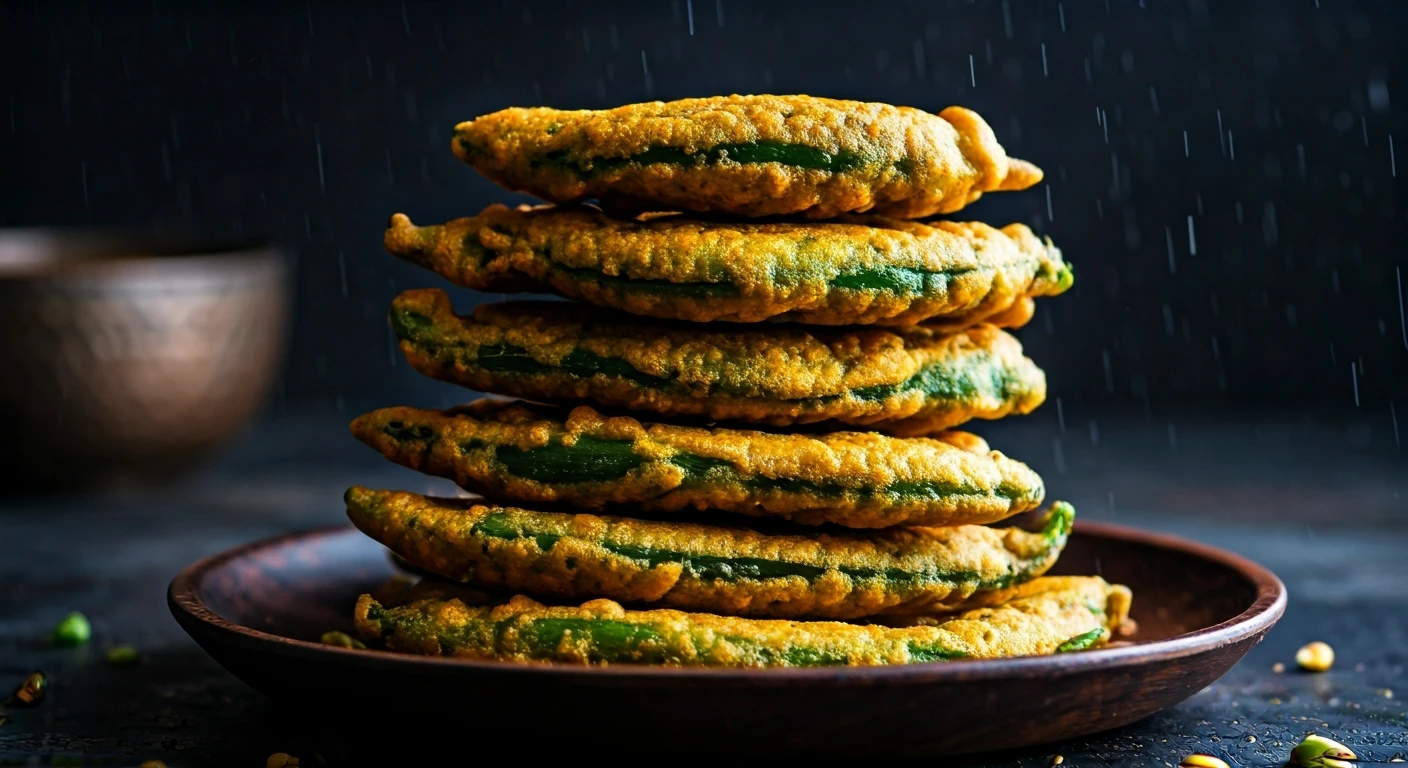
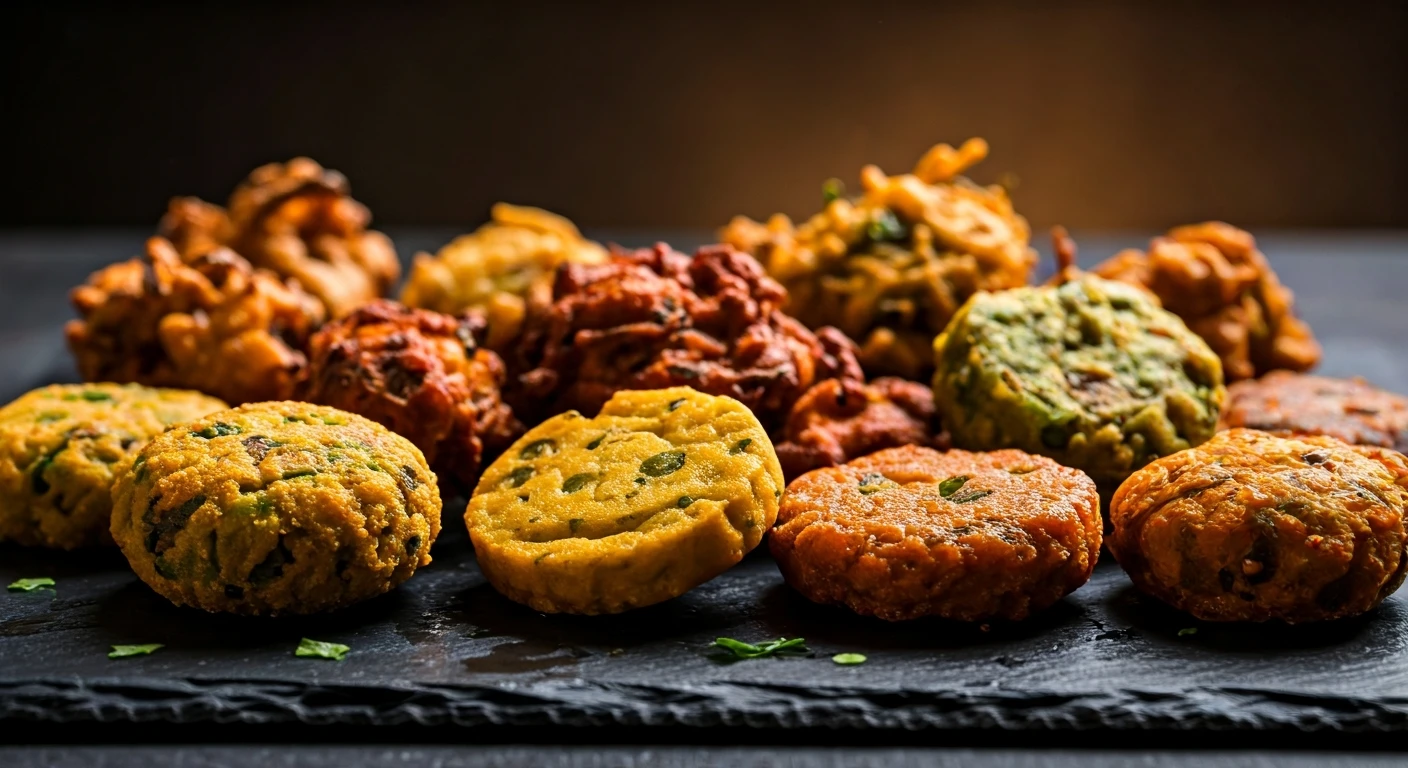
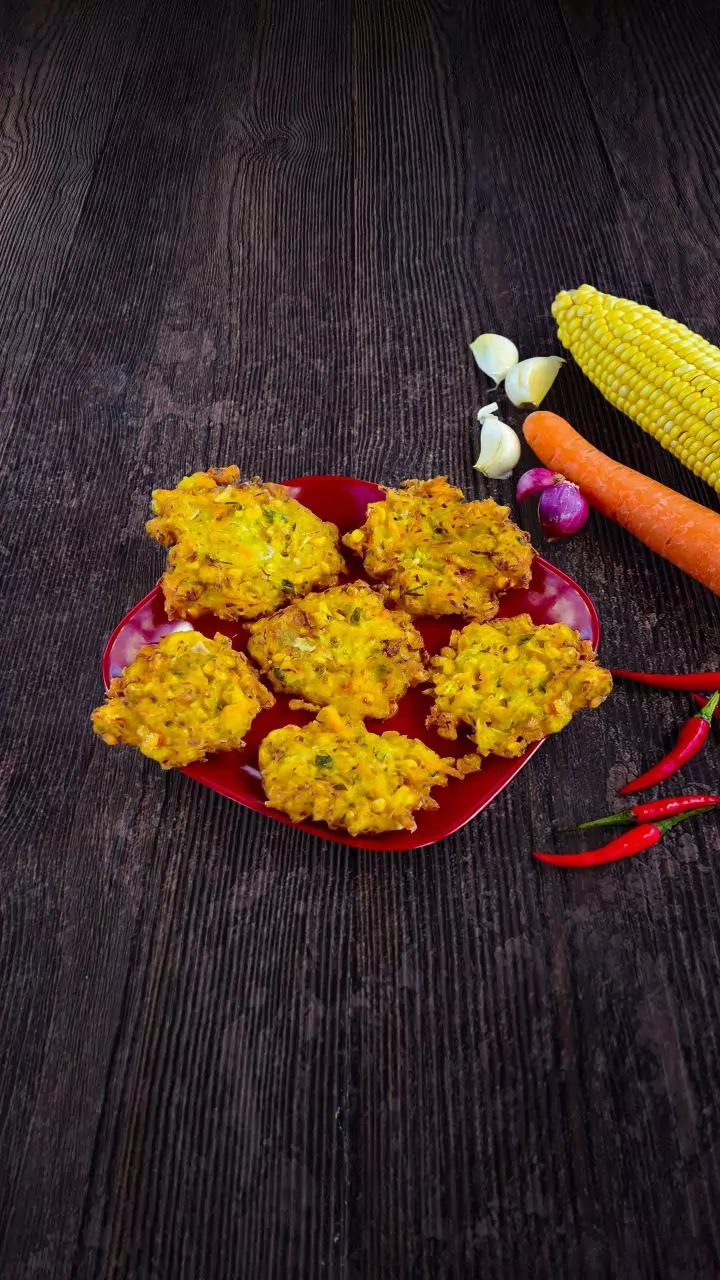
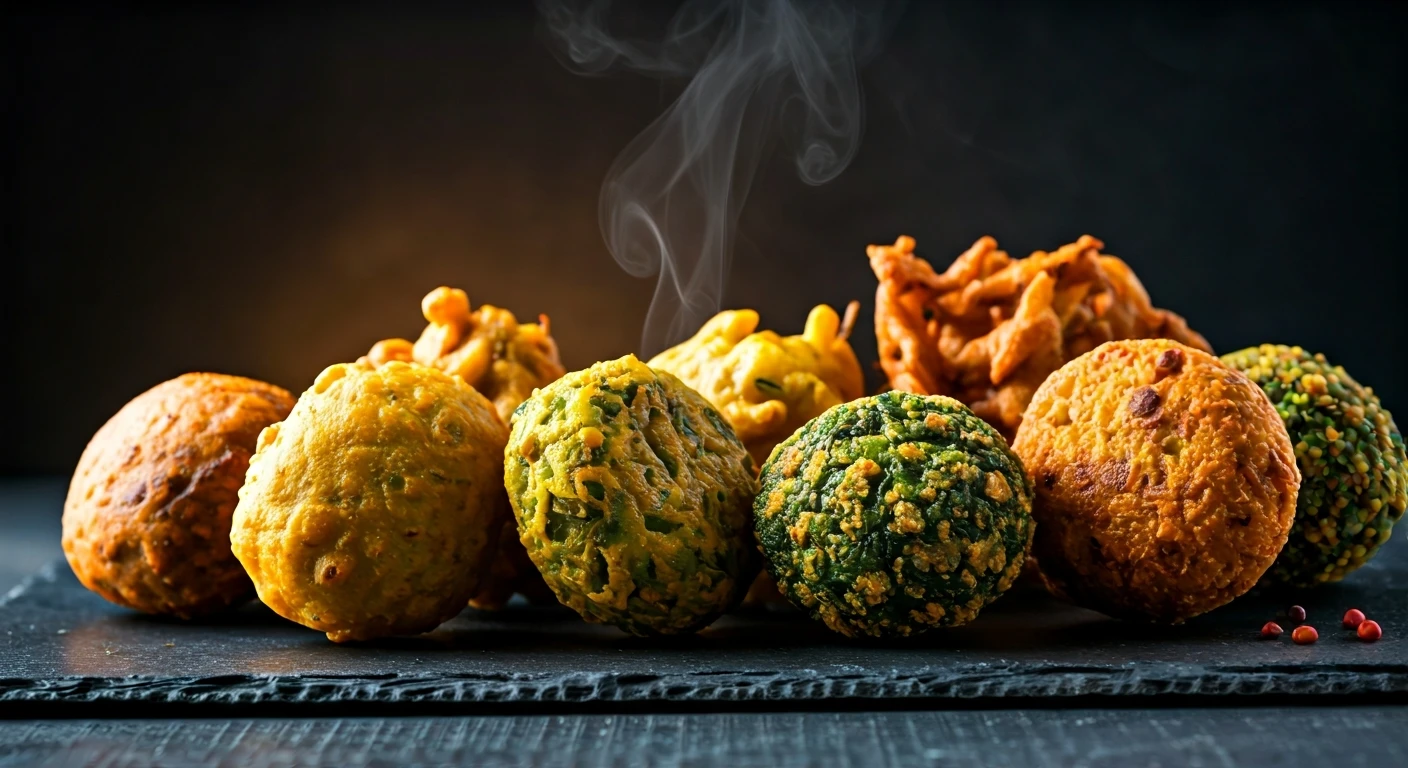
Before we get to the star of the show, let's talk about the pakora itself. Across India, the pakora is a beloved category of snack, a fritter that can be made from nearly anything you can imagine. Sliced onions, potatoes, spinach, cauliflower, or even
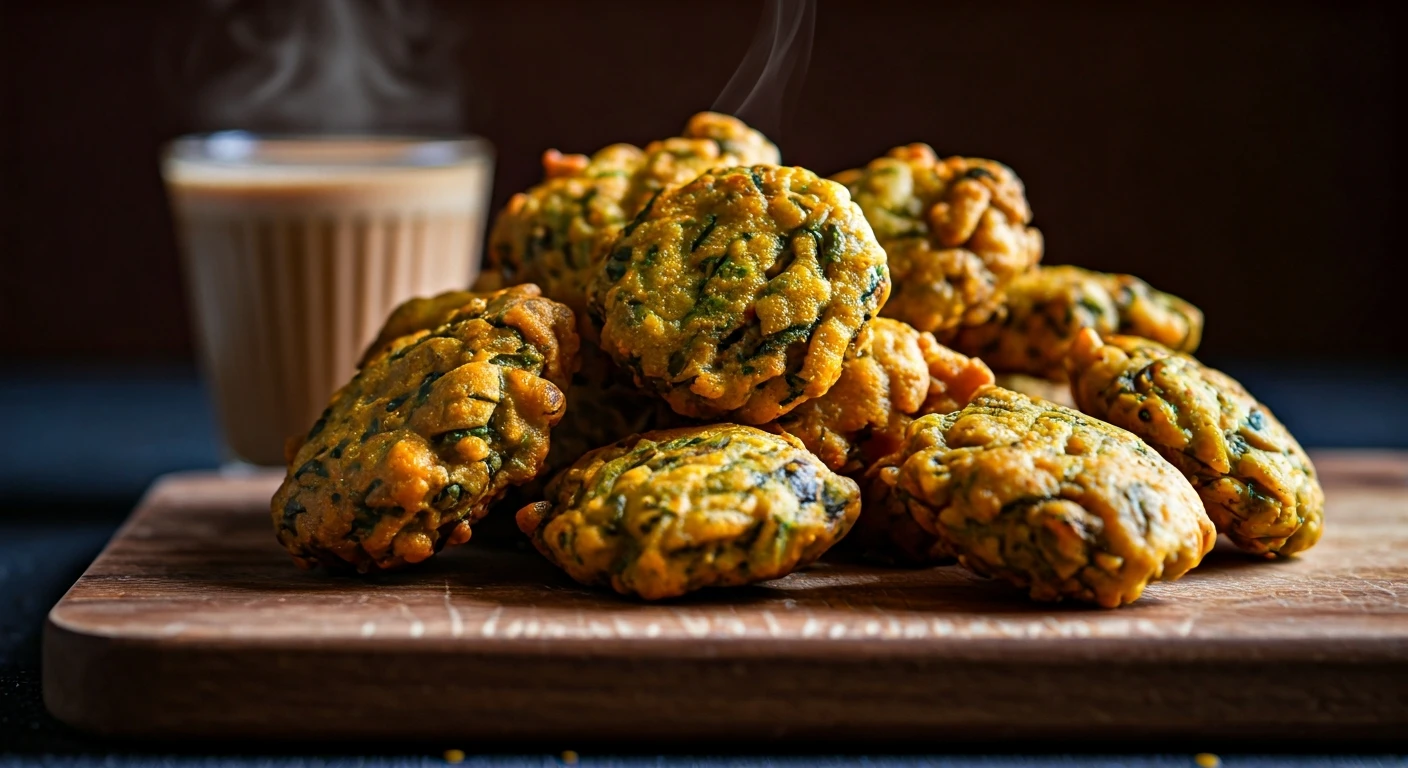
chilis are dipped in a spiced gram flour (besan) batter and deep-fried to golden-brown perfection. They are a staple of street food stalls, family gatherings, and, most importantly, rainy afternoons. The batter is the key: gram flour provides a uniquely nutty flavor and a light, crispy texture that wheat flour can’t quite replicate. It’s the perfect vessel for whatever delicious thing it encases.
The Magic of Paneer
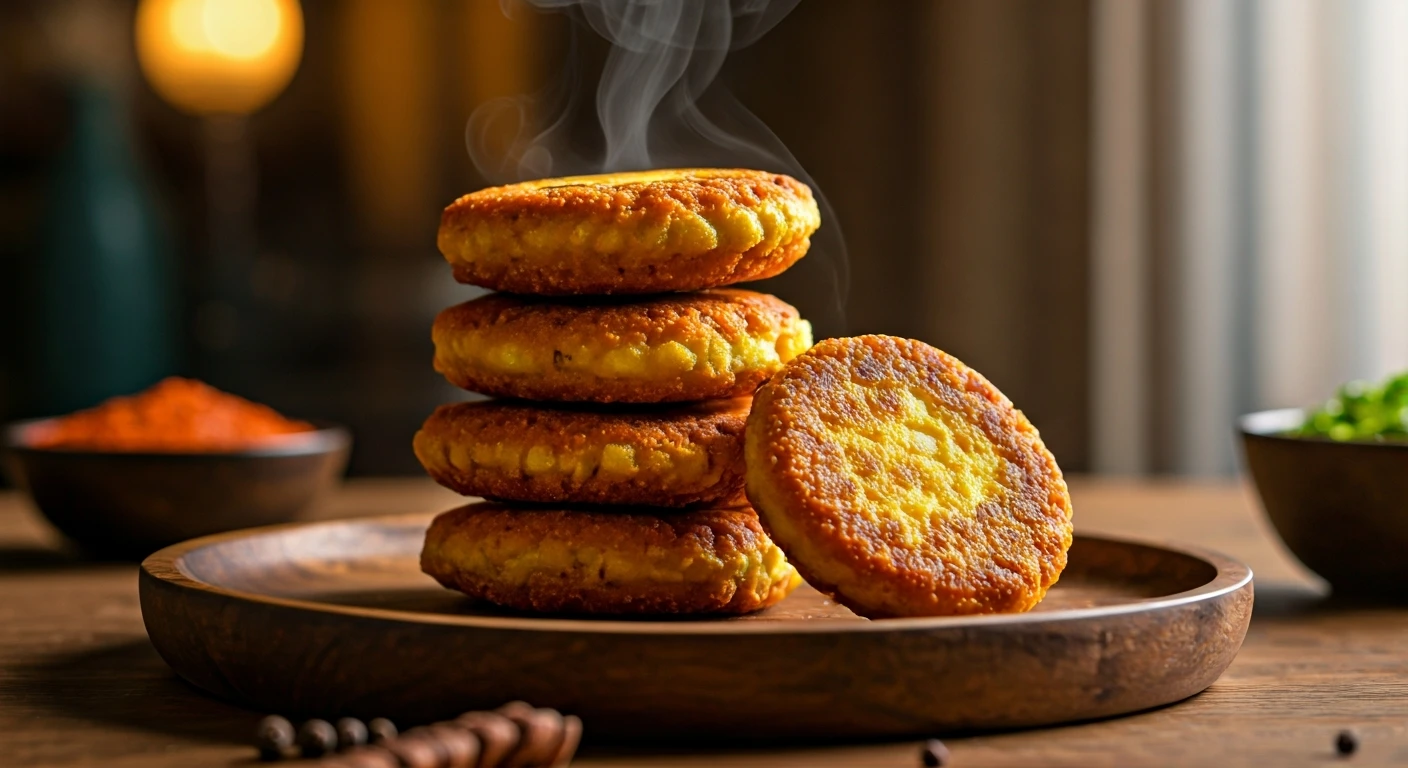
Now, enter paneer. This firm, fresh, non-melting Indian cheese is a vegetarian’s dream. With a mild, milky flavor, it acts as a perfect canvas for spices. Unlike other cheeses that would melt into a greasy mess in a hot fryer, paneer holds its shape. When you bite into a paneer pakora, you experience a delightful contrast: the crispy, seasoned shell gives way to a soft, warm, and slightly squeaky block of cheese inside. It’s substantial without being heavy, and savory without being overwhelming. The paneer transforms the pakora from a simple vegetable fritter into something more luxurious—a satisfying, protein-packed morsel that feels both indulgent and wholesome.
A Symphony of Spice and Sizzle
The magic of a great paneer pakora lies in its seasoned batter. This isn't just flour and water; it's a carefully balanced blend of spices that elevates the entire experience. Turmeric lends its warm, golden hue and earthy flavor. A pinch of red chili powder provides a gentle heat that blooms at the back of your throat. But the secret weapon in many pakora batters is ajwain, or carom seeds. These tiny seeds have a sharp, thyme-like flavor that cuts through the richness of the oil and aids in digestion. The sound of the spice-flecked batter hitting the hot oil—a vigorous sizzle that competes with the patter of rain outside—is the opening act for the comforting treat to come.
Why Rain Makes It Better
There’s a deep, cultural connection between pakoras and rain, especially in India, where the monsoon season is practically synonymous with plates of hot fritters and cups of steaming chai. The appeal is elemental. The damp, cool air of a rainy day makes you crave warmth and richness. A hot, freshly fried pakora delivers on both fronts. The crispy exterior seems crunchier, the warm interior seems softer, and the savory spices feel more pronounced when contrasted with the gray world outside. It’s a multi-sensory experience: the smell of the frying, the sound of the crunch, the feeling of the heat. It’s a small, edible pocket of sunshine on a cloudy day.
Don’t Forget the Chutney
A pakora is never truly complete without its dipping sauces. They are served with a duo of chutneys that provide a crucial balance of flavors. First is the vibrant green chutney, a zesty blend of cilantro, mint, green chilis, and lemon juice. It’s fresh, sharp, and cuts through the fat of the fried pakora with a bright, herbaceous kick. Its partner is the tamarind chutney, a sweet, sour, and sticky concoction made from tamarind pulp, dates, and jaggery. This dark, complex chutney offers a sweet counterpoint to the savory fritter. Alternating dips between the two is part of the ritual, creating a perfect bite every single time.