

The Search for Comfort in a Complicated World
In an era of endless scrolling, economic uncertainty, and post-pandemic recalibration, it’s no surprise we’re collectively seeking comfort. And for many Americans, there's no greater comfort than the food we grew up with. This isn’t about a sudden lack
of culinary imagination; it’s a deliberate turn toward the reliable and the emotionally resonant. The complex, multi-step restaurant-style dishes that dominated home cooking for a time are giving way to something more soulful. Psychologically, nostalgic food provides a sense of security and continuity. The scent of a pot roast simmering or a cake baking connects us not just to a pleasant meal, but to a web of memories—of family, of simpler times, of feeling cared for. In a world that feels increasingly fragmented, the kitchen has become a sanctuary where we can exert a little control and produce something dependably good. This trend isn't about regression; it's about grounding ourselves in flavors that feel like home.
What’s on the Retro Menu?
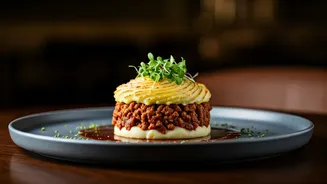
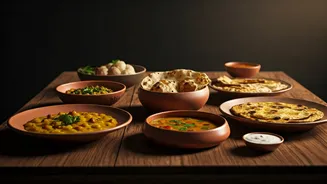
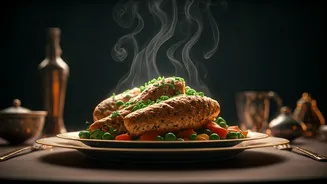
The dishes making a comeback are a highlight reel of mid-century American home cooking. We're seeing a major revival of classics that were once dismissed as dated or unsophisticated. Think savory, one-pan meals like meatloaf, tuna noodle casserole, and shepherd's pie. Deviled eggs, once relegated to potluck obscurity, are now appearing as trendy appetizers. The humble roasted chicken is being celebrated again, not just as a weeknight staple but as a centerpiece worthy of a dinner party. Even desserts are getting a vintage makeover. Jell-O salads, long the subject of culinary jokes, are being re-imagined by a new generation of cooks with fresh fruit and artisanal gelatin. Simple sheet cakes, gooey brownies, and classic apple pies are pushing aside elaborate, multi-layered pastry projects. The common thread is a sense of warmth, generosity, and low-stress preparation. It's food designed to be shared and enjoyed, not just photographed.
The 'Upgrade' Part of the Equation
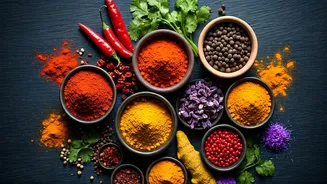
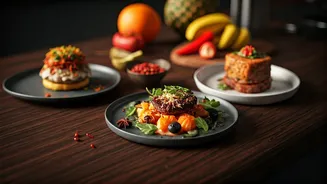
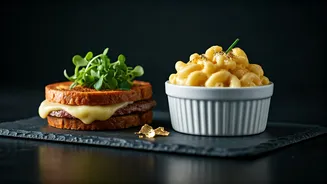
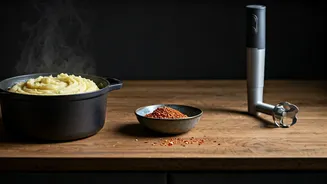
This isn't a simple copy-and-paste of your grandmother's recipe cards. The “upgrade” is where the trend gets interesting. Today’s home cooks are filtering nostalgia through a modern lens, improving on the classics in three key ways. First, better ingredients. That casserole might now feature artisanal cheese, organic vegetables, and high-quality pasta instead of canned soup and processed cheese slices. The meatloaf might be made with a blend of grass-fed beef and pasture-raised pork. Second, global flavors. The new nostalgia is anything but bland. A modern pot roast might be braised with Korean gochujang, a meatloaf might have a glaze spiked with sriracha, and those deviled eggs could be topped with Japanese furikake. It’s about using the familiar as a canvas for new and exciting tastes. Finally, modern techniques and tools are transforming these dishes. The Instant Pot makes a fork-tender pot roast in a fraction of the time. The air fryer delivers an impossibly crispy topping on a macaroni and cheese. A sous-vide wand ensures the chicken breast in that casserole is perfectly moist, never dry. This is nostalgia optimized for the 21st-century kitchen: all the comfort, less of the work.
Served Fresh on Your Social Feed
This movement is being amplified and accelerated by social media. Unlike the highly curated, impossibly perfect food images that once dominated Instagram, this new wave feels more authentic and achievable. TikTok is filled with short, satisfying videos of someone pulling a bubbling, cheesy dish from the oven or slicing into a perfectly moist meatloaf. #ComfortFood isn't just a tag; it's a genre. These platforms do more than just showcase the trend; they fuel it. A creator can share their modern take on a classic recipe, and within hours, thousands of people can be inspired to try it themselves. It creates a powerful feedback loop where old recipes are constantly being discovered, remixed, and shared with a global audience, ensuring that the nostalgia upgrade is a living, evolving conversation rather than a static phenomenon.