

Beyond the Roadside Cart
For decades, the soul of Indian food wasn't found in Michelin-starred restaurants but on its chaotic, vibrant streets. Dishes like pani puri (crisp, hollow spheres filled with tangy water), vada pav (a spiced potato fritter in a bun, often called the 'Indian
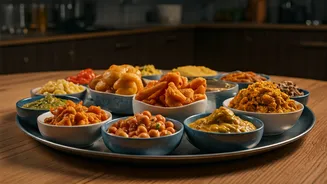
burger'), and chaat (a broad category of savory snacks) are fixtures of daily life, served up by vendors from recipes passed down through generations. The charm has always been in its raw authenticity and hyperlocal flavor. But a fascinating shift is underway. The line between street food and high cuisine is blurring. What was once purely the domain of roadside stalls is now being reinterpreted, refined, and reimagined in fast-casual eateries, chic cafes, and even high-end restaurants. This isn't about replacing the original; it's about elevating it, driven by a new generation of chefs and entrepreneurs who see the incredible potential locked within these humble, beloved flavors.
The New Architects of Flavor
So, who is driving this change? It’s a mix of culinary school graduates, globally-traveled foodies, and savvy entrepreneurs. Many young chefs, instead of chasing apprenticeships in Paris or London, are looking inward. They grew up with these flavors and now possess the technical skills to deconstruct and rebuild them in exciting new ways. They see the genius in a perfectly spiced potato filling or the complex balance of a tamarind chutney and are asking, “What else can we do with this?” This movement is also fueled by a changing consumer. India’s rising middle class has more disposable income and a palate that is both proud of its heritage and open to global trends. They demand the comforting flavors of home but also crave novelty, hygiene, and a great dining experience. They want the pani puri, but maybe with a shot of spiced vodka on the side, served in a clean, well-lit cafe with good music.
Reinventing the Classics
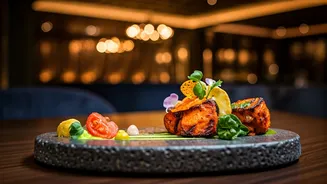
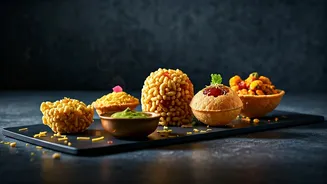
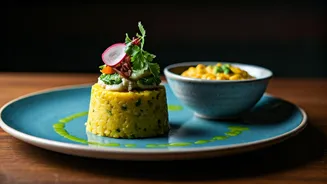
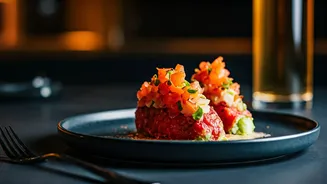
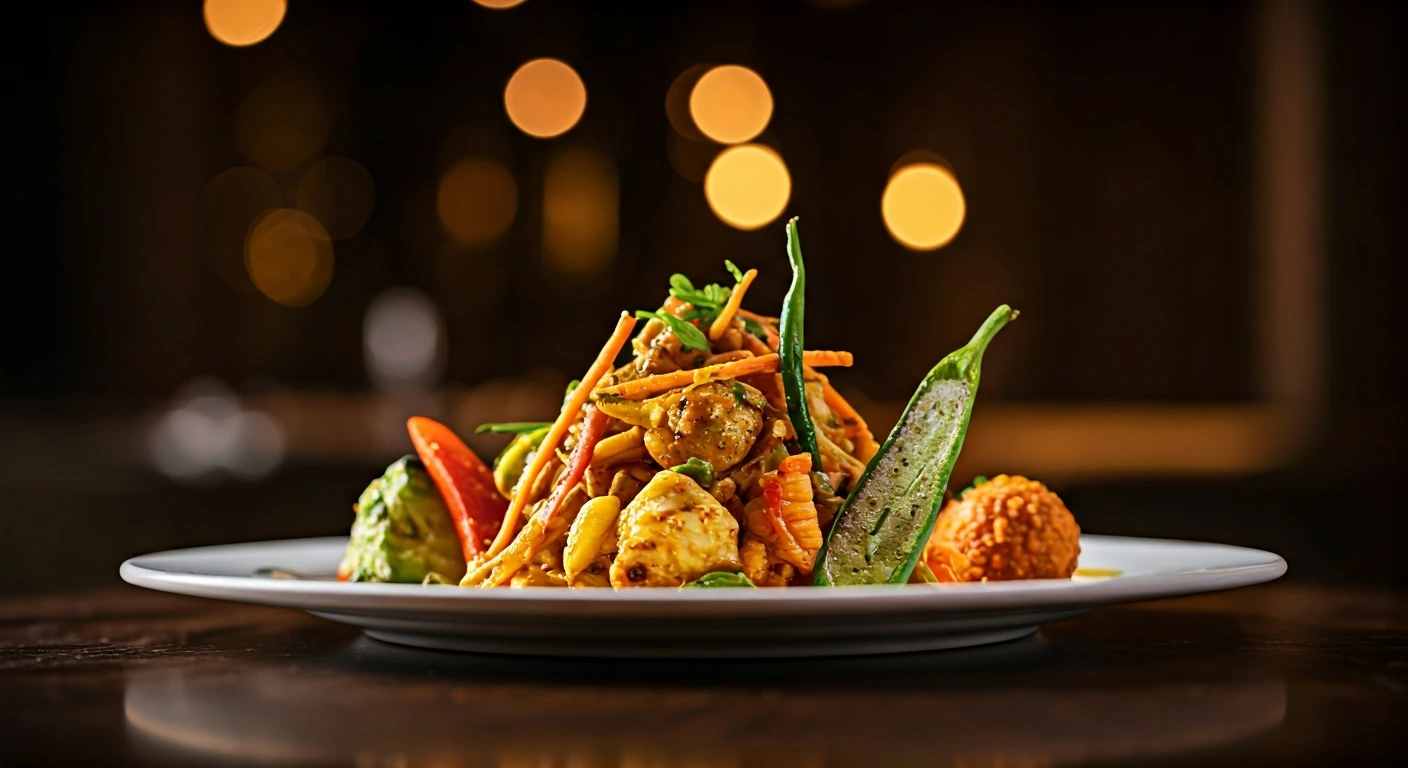
The results of this innovation are as delicious as they are creative. Think of it as a remix of a classic song. The melody is familiar, but the beat is brand new. You might find a 'deconstructed' samosa, where the crispy pastry, spiced potato filling, and chutneys are served separately on a platter, allowing the diner to compose their own bite. Pav bhaji—a mash of vegetables eaten with soft, buttery bread—might be served as fondue. Bhel puri, a puffed rice snack, is being made with superfoods like quinoa or kale. Vada pav is no longer just a potato fritter; you can find it stuffed with paneer tikka, spicy mushrooms, or even schezwan noodles. This isn't just fusion for fusion's sake. The best examples maintain the soul of the original dish while offering a new texture, a surprising flavor combination, or a more refined presentation. It’s a culinary conversation between the past and the future, happening one delicious bite at a time.
From Chaat to Chain
Perhaps the most 'serious' aspect of this trend is the business side. Street food is becoming organized. Entrepreneurs are building branded chains that promise the authentic taste of street food but with standardized recipes, quality control, and—crucially—impeccable hygiene. These aren't just mom-and-pop shops; they are scalable businesses with professional branding, sleek interiors, and a presence in malls and high-end food courts. Chains focused on specific items, like momos (dumplings) or vada pav, are expanding rapidly across cities, and some even have international ambitions. They’ve cracked the code of delivering a consistent, safe, and delicious street food experience in a modern retail format. This professionalization signals a massive shift, turning ephemeral street-side joys into a structured, billion-dollar industry.