




From Concrete Jungles to Living Ecosystems
For decades, urban development followed a simple, brutalist logic: pave it, build on it, and manage nature by removing it. This created sterile environments, often called “biological deserts,” where only the most adaptable (and often least-loved) creatures
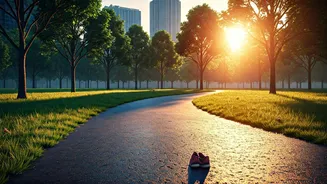
like pigeons and rats could thrive. But a powerful counter-trend is taking root across the United States. Known variously as urban rewilding, green infrastructure, or ecological landscaping, the core idea is the same: intentionally designing and retrofitting cities to support biodiversity. This isn't about creating a zoo; it's about re-integrating nature into the very fabric of the city, creating a landscape that works for both people and wildlife.
The Building Blocks of a Greener City
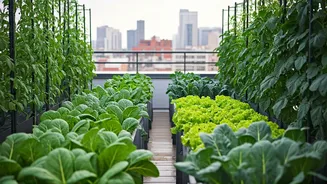
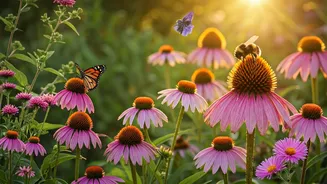
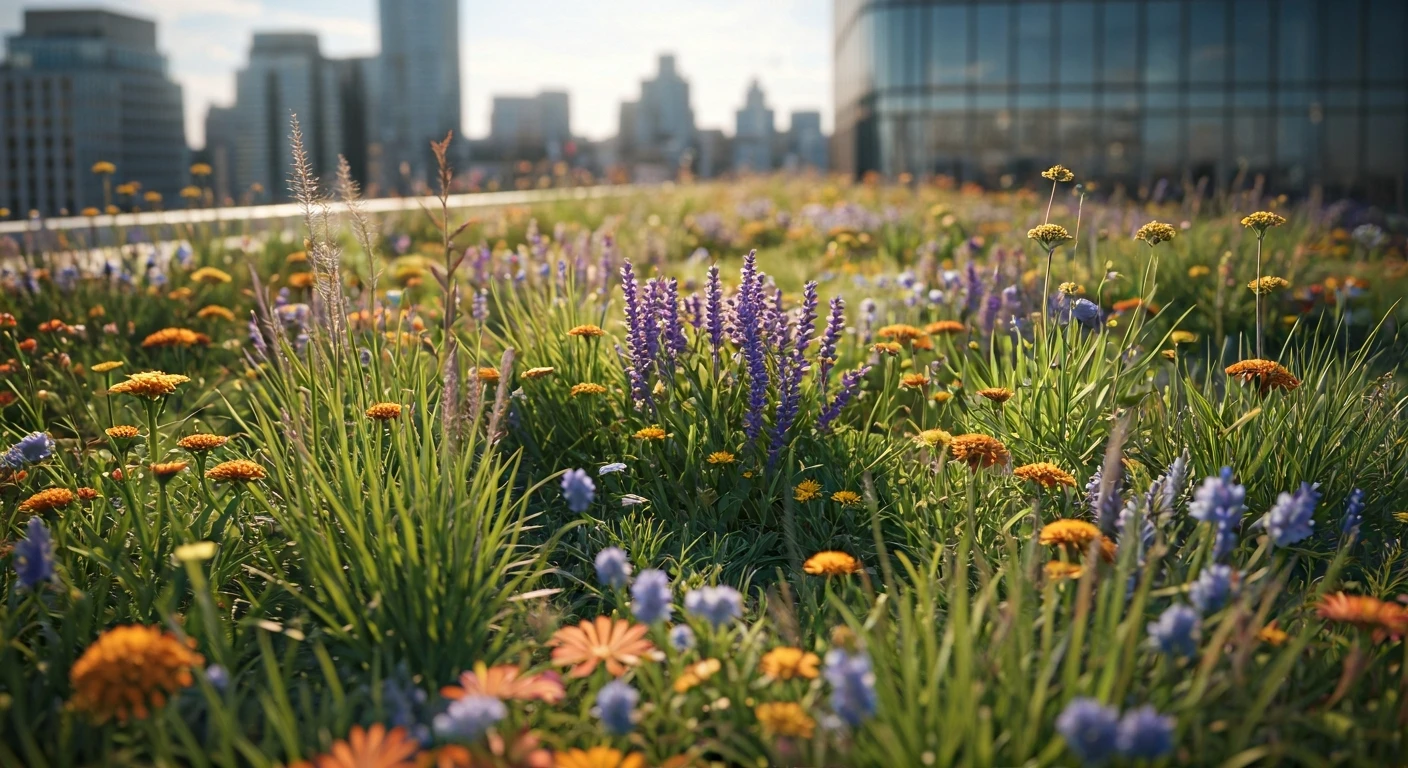
So what does this green trend look like on the ground? It's a mosaic of interconnected strategies. It's the city dweller who replaces a manicured lawn with a riot of native wildflowers, providing nectar for bees and butterflies. It’s the office building topped with a “green roof” of sedum and grasses, which not only insulates the building but also serves as a vital resting and foraging spot for migratory birds. It's the proliferation of bioswales—those marshy, plant-filled ditches along sidewalks and parking lots—that filter stormwater while creating micro-habitats for amphibians and insects. These aren’t just decorative afterthoughts; they are functional, living systems. By prioritizing native plants, which have co-evolved with local wildlife for millennia, these spaces provide the specific food and shelter that animals need to complete their life cycles.
Connecting the Green Dots
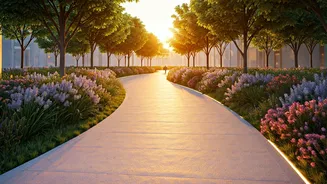
A single pollinator garden or green roof is a great start, but the real magic happens when these spaces are connected. Ecologists stress the importance of “wildlife corridors”—strips of habitat that link larger green spaces like parks and nature preserves. A corridor can be as simple as a continuous line of backyards planted with native trees or as ambitious as a dedicated overpass. The recently completed Wallis Annenberg Wildlife Crossing over a 10-lane freeway in Los Angeles is a landmark example, designed to give mountain lions and other creatures safe passage between fragmented habitats. By thinking of the city not as a series of isolated green “islands” but as a potential network, planners are helping wildlife navigate the urban maze, find mates, and access a wider range of resources, which is crucial for genetic diversity and long-term survival.
A Win for Wildlife and People
The return of wildlife is the most visible success story. Cities that embrace these principles are seeing rebounds in native bee populations, more diverse bird sightings, and even the reappearance of species not seen for generations. But the benefits flow both ways. The very same infrastructure that helps a monarch butterfly find milkweed also helps a city manage its biggest challenges. Green roofs and permeable pavements reduce runoff during storms, easing the burden on sewer systems. An expanded tree canopy lowers summer temperatures, combating the “urban heat island” effect and reducing energy costs. And study after study confirms what we intuitively know: access to green space and the presence of nature has profound positive effects on human mental health, reducing stress and fostering a sense of community.