

An Escape from the Metropolis
For Americans who have visited or dream of visiting India, Delhi is the gateway. As part of the National Capital Region (NCR), it’s a sprawling, landlocked megacity of over 30 million people, known for its intense energy, harsh summers, and smoggy winters.
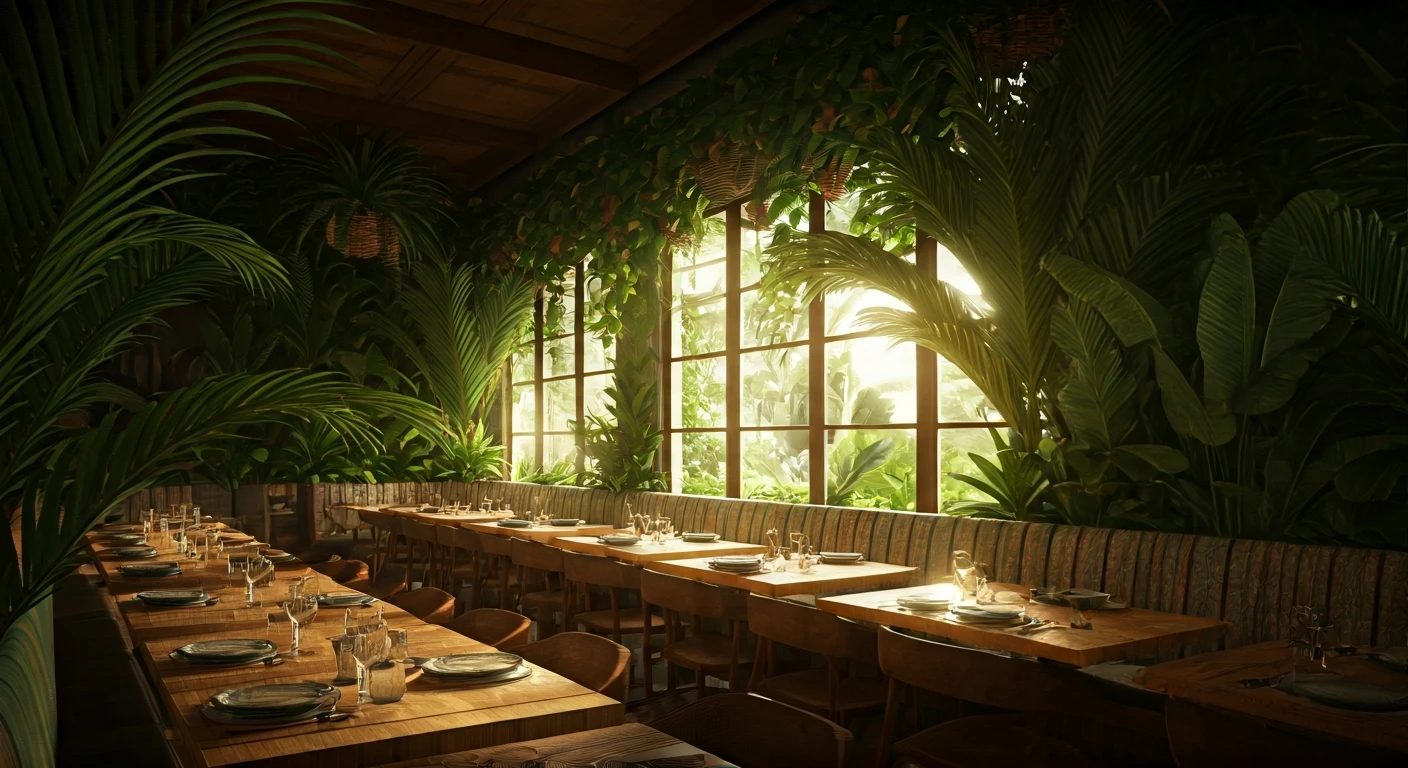
Historically, its high-end dining has reflected this—opulent, formal spaces celebrating Mughlai traditions or polished, international five-star hotel fare. The idea of a casual, sand-between-your-toes aesthetic seemed entirely out of place. But that’s precisely the point. The new tropical trend is a form of deliberate escapism. For residents navigating one of the world's most demanding urban environments, these restaurants offer a psychological—and culinary—vacation. They are designed as oases, transporting diners from the traffic and concrete of the city to a fantasy of Goa, the Mediterranean, or even Bali, without ever needing a plane ticket. It’s a collective yearning for a slower pace and a lighter atmosphere, materialized in bamboo furniture and palm fronds.
From Goa to Bali, in a Delhi Minute
So what does this tropical twist look like in practice? It’s a full-sensory experience. Restaurants like Kakapo in New Delhi’s Mehrauli neighborhood have become hotspots, featuring lush greenery, ambient lighting, and an aviary-inspired theme that feels worlds away from the city outside. Its menu, a mix of pan-Asian and global cuisines, focuses on fresh, vibrant flavors that match the decor.
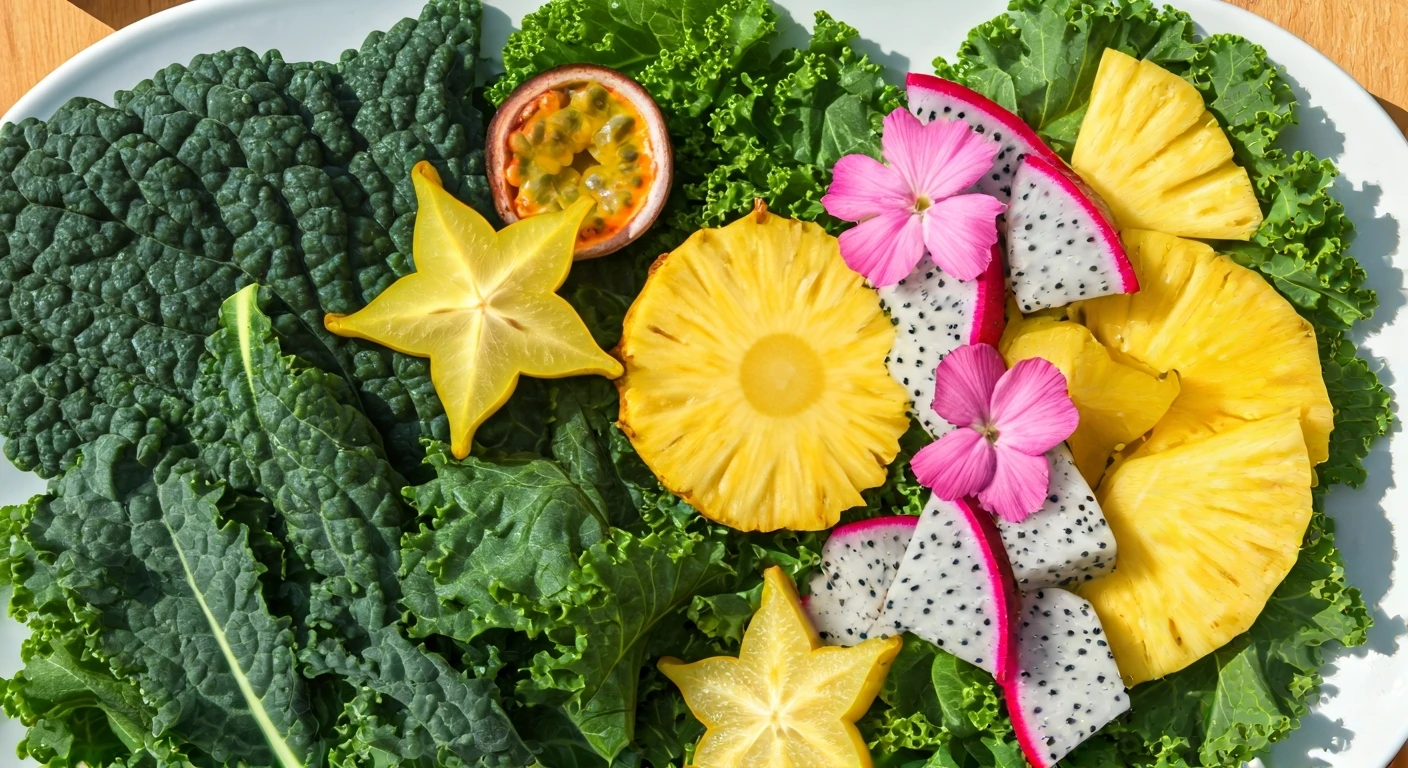
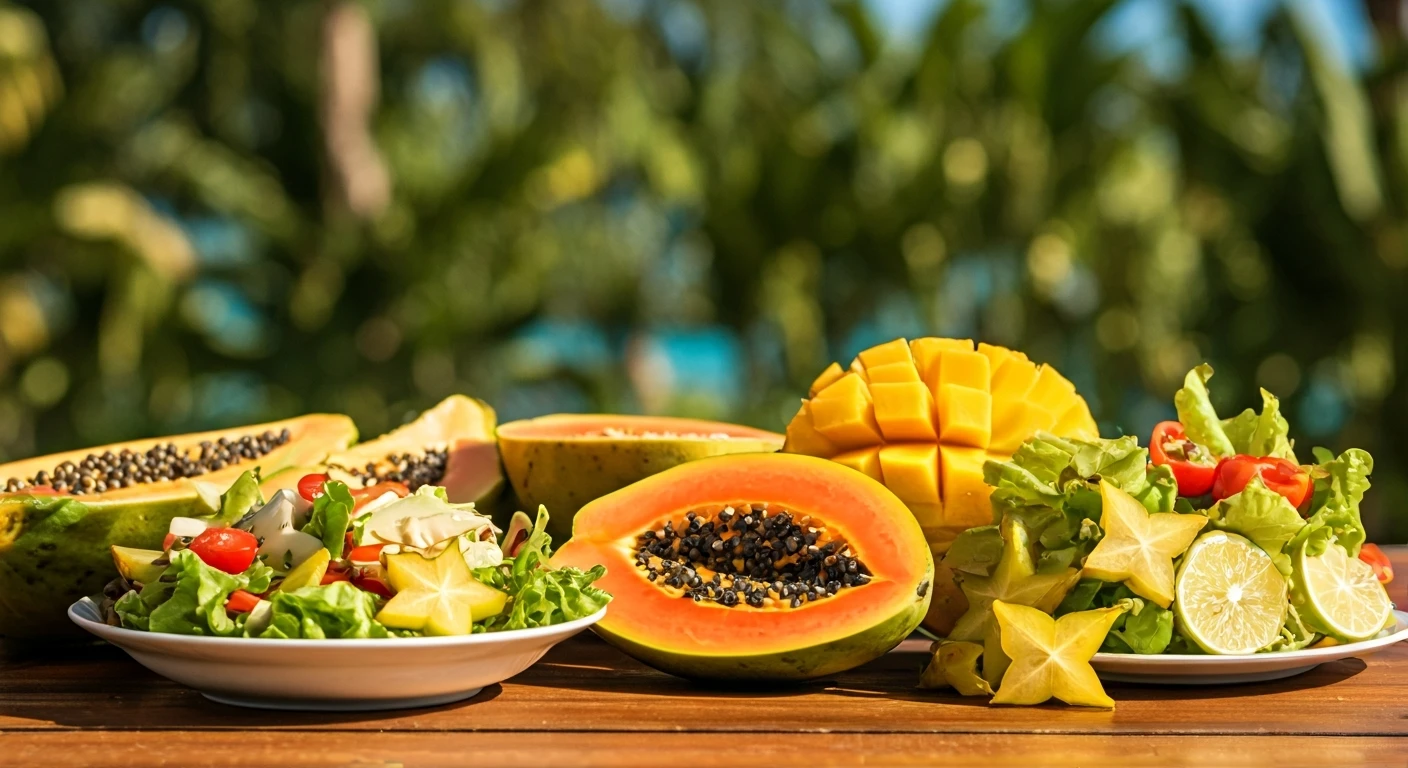
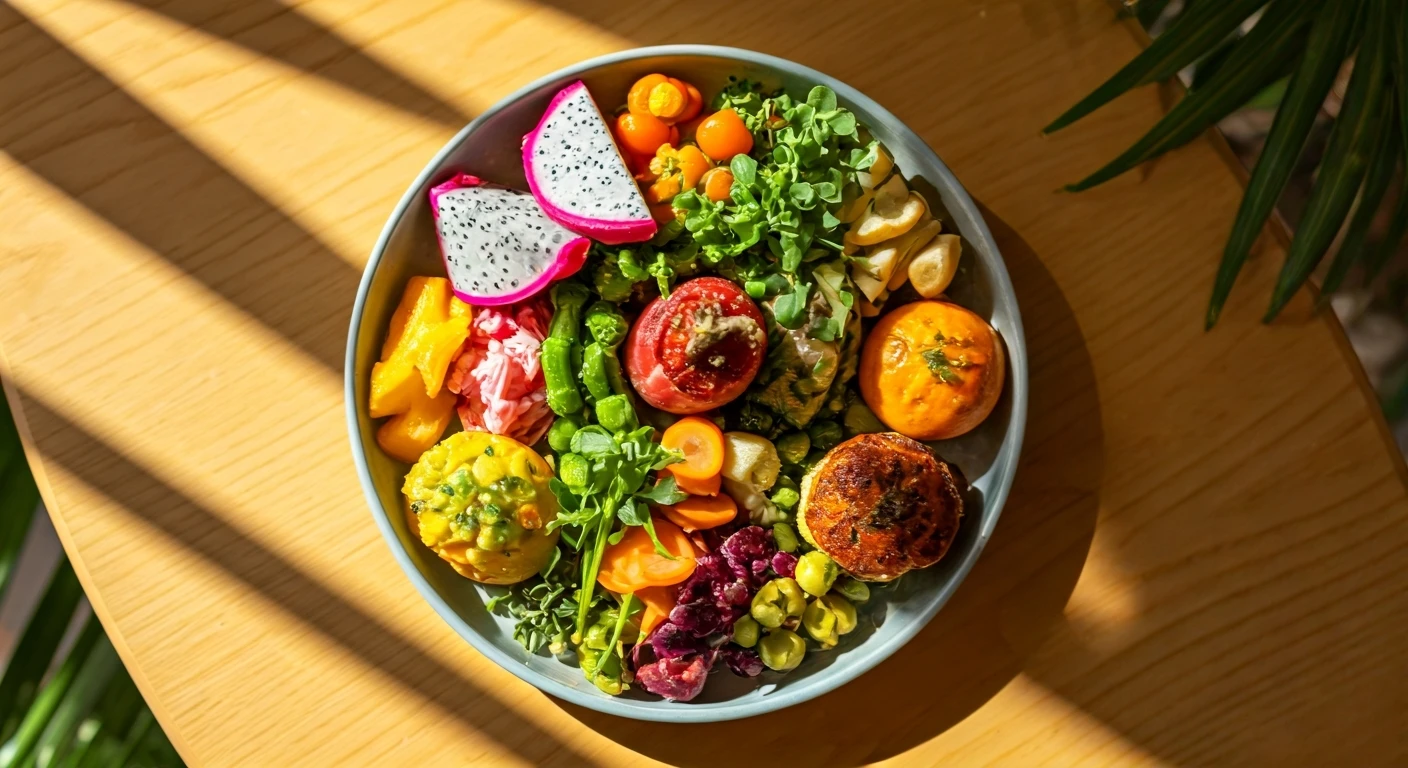
Similarly, places like Ivoryy in Gurugram (a major city in the NCR) offer a chic, Santorini-like vibe with white-washed walls, al fresco seating, and a menu leaning into coastal European flavors. Other establishments are drawing direct inspiration from India’s own beach paradise, Goa, serving up Portuguese-influenced seafood curries and tropical cocktails in settings that mimic a laid-back beach shack, albeit a very stylish one. The food itself is part of the getaway, moving away from the heavy, spice-laden curries Delhi is famous for and toward lighter, citrus-forward, and seafood-centric dishes. Think ceviche, grilled fish, and coconut-based everything.
More Than Just a Pretty Picture
It would be easy to dismiss this trend as a superficial, Instagram-driven phenomenon. After all, these venues are undeniably photogenic. But that’s only part of the story. This shift reflects a deeper cultural evolution in urban India. The country's young, globally-aware middle and upper classes are demanding more than just good food; they want an experience. They’ve traveled, they’ve seen global trends on social media, and they want those lifestyle options at home.
The tropical theme works so well because it aligns perfectly with a broader wellness and casual-living movement. It’s less about formal, heavy-drinking nights out and more about relaxed daytime brunches, sophisticated cocktails, and a general feeling of well-being. In a post-pandemic world, the appeal of open, airy spaces that feel both safe and celebratory has only intensified. These restaurants aren't just serving food; they're selling a much-needed vibe of leisure and relaxation.