







A New Wave of Culinary Ambassadors
Something is simmering in the global food scene, and it smells like toasted spices and bold ambition. A fresh wave of Indian chefs and restaurateurs are not just opening restaurants abroad; they are building empires and redefining what Indian cuisine
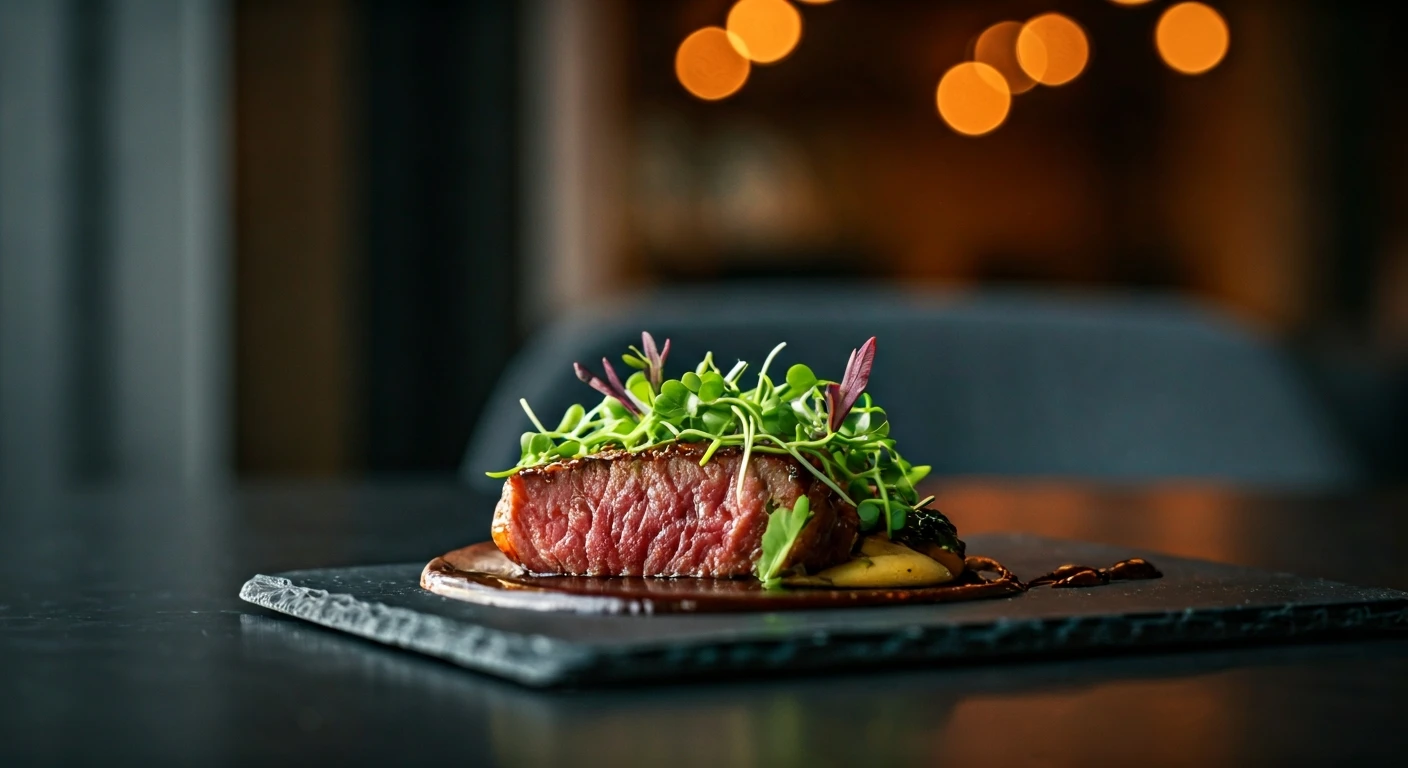
means to the world. Look at Trèsind, a modernist Indian concept born in Dubai that now has an acclaimed outpost in Mumbai and a Michelin star for its spin-off, Trèsind Studio. Or consider Indian Accent, which parlayed its New Delhi fame into a celebrated, if now-closed, location in New York and a thriving restaurant in London. This isn't about assimilation. It's about assertion. These new culinary ambassadors are exporting Indian food on their own terms, from inventive tasting menus that celebrate regionality to cocktail programs that champion Indian spirits and ingredients. They are booking out tables, winning awards, and changing minds, one plate at a time.
But First, Some History
The “Again” in the headline is key. The first major wave of Indian food abroad was largely a British phenomenon, born of post-colonial migration. South Asian immigrants opened cafes and canteens that evolved into the beloved British “curry house,” serving a homogenized, anglicized version of Indian food. While foundational, it cemented a stereotype of cheap, heavy, and generic fare. Then came the pioneers of the late 90s and 2000s—chefs like Vineet Bhatia and Atul Kochhar—who earned the first Michelin stars for Indian restaurants outside India. They elevated the cuisine, applying classic French techniques and fine-dining presentation to familiar flavors. They proved Indian food could be “gourmet,” but often did so by making it more palatable to a Western fine-dining sensibility. They walked so today’s chefs could run.
So, What's Different This Time?
This new wave is defined by a powerful, unapologetic confidence. Today's chefs aren't trying to adapt their food to a foreign palate; they are challenging foreign palates to adapt to their food. The driving force is authenticity, but not in a museum-piece way. It's about showcasing the incredible diversity of India’s 28 states, from the coastal seafood traditions of Kerala to the robust vegetarian fare of Gujarat. This movement is also fueled by a new ecosystem of global recognition. Shows like Netflix’s *Chef’s Table* have made superstars out of chefs like Gaggan Anand, whose rebellious, progressive Indian cuisine in Bangkok became a global destination. The Asia’s 50 Best Restaurants list has provided a powerful platform, giving chefs the visibility and validation needed to attract international investors and diners. This allows them to export not just a dish, but a point of view.
More Than Just Chefs
This talent exodus isn’t limited to the headliners in the kitchen. It’s a full-spectrum movement. Behind the celebrated chefs are savvy restaurant groups like EHV International (Indian Accent) and Passion F&B (Trèsind, Avatara) that possess the operational know-how to launch and sustain high-end concepts across continents. It's also about the front-of-house and the bar. Skilled Indian bartenders are gaining their own acclaim, crafting world-class cocktail menus that use everything from Himalayan gin to tamarind and fenugreek. This professionalization across the board ensures the entire dining experience—from the service to the drinks to the decor—is as compelling as the food. It's a holistic export of modern Indian hospitality, demonstrating a maturity in the industry that simply didn't exist a generation ago.