




A UNESCO Treasure on Rails
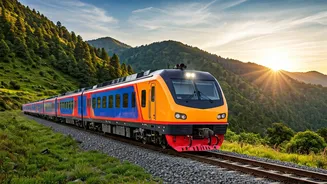
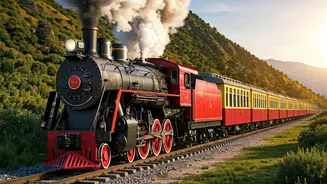
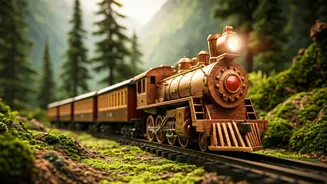
This isn't just any train. The Kalka-Shimla Railway, affectionately known as a “toy train” for its narrow-gauge tracks, is a rolling piece of history. Completed in 1903, this engineering marvel was built by the British to connect the plains of India to Shimla,
their colonial summer capital nestled high in the Himalayas. For over a century, it has chugged its way up steep gradients and around dramatic curves, offering passengers some of the most breathtaking views in northern India. The journey is so culturally and historically significant that in 2008, UNESCO added the railway to its list of World Heritage Sites, cementing its status as a must-do for global travelers seeking experiences that transcend the ordinary.
Back on Track After the Storm
The headline's claim that the train is “back” is a crucial part of the story. In mid-2023, the state of Himachal Pradesh was hit by devastating monsoons. The intense rainfall caused widespread landslides and damage, and the historic railway was a major casualty. Sections of the track were washed away or buried, severing the vital link and bringing the beloved toy train to a halt. For months, railway engineers undertook the monumental task of repairing the line. Its successful restoration and the resumption of full service wasn't just a technical fix; it was a symbol of resilience for the region and a celebration for the tourism industry that depends on this iconic attraction. The train’s whistle is once again echoing through the valleys.
The Five-Hour Journey to Another World
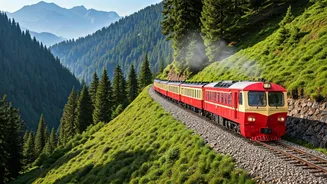
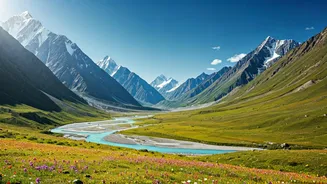
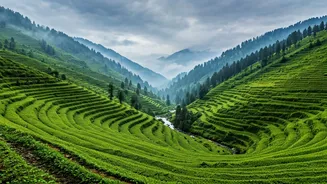
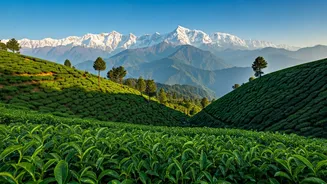
Forget what you know about train travel. The Kalka-Shimla journey covers just 60 miles, but it takes over five hours to complete. And that’s the entire point. The slow pace is a feature, not a bug. The train snakes its way through an astonishing 102 tunnels and across more than 860 bridges, each one offering a new, postcard-perfect vista. As the train climbs from Kalka station, the landscape transforms from subtropical foothills into dense forests of pine and deodar. The air cools, the scenery becomes more dramatic, and charming, old-world stations with names like Barog and Solan dot the route. It’s an immersive, cinematic experience that allows you to fully disconnect and soak in the grandeur of the Himalayas without the blur of high speed.
So, How Cheap Is 'Cheap'?
Here’s the part that will astound most American travelers. While the experience is priceless, the ticket is not. A seat on this world-famous train is astonishingly affordable. A standard ticket for the full, five-hour journey can cost as little as 80 Indian Rupees, which translates to roughly one U.S. dollar. Even a seat in the more comfortable “First Class” coach, with its cushioned seats and better windows, typically costs around 300 to 500 Rupees. That’s about $4 to $6 for one of the world's great rail journeys. For the price of a single coffee at a major U.S. airport, you can embark on a five-hour adventure through a UNESCO World Heritage landscape. It’s a powerful reminder that some of the planet's most memorable travel experiences are accessible to almost any budget.