




The Taste of the Streets
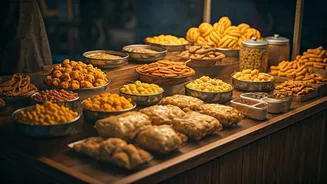
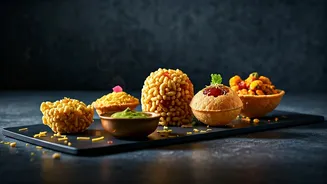
Imagine a bustling Indian street corner. The air is thick with the sizzle of oil, the aroma of toasted spices, and the chatter of a dozen conversations at once. A vendor, with movements perfected over decades, dunks a crispy, hollow puri into tangy tamarind
water, fills it with spiced potatoes, and serves it in a flash. This is pani puri (or golgappa, or phuchka, depending on the region), and it’s just one star in a vast galaxy of street food, or ‘chaat.’ From savory samosas and spicy bhel puri to sweet and tangy dahi vada, these foods are the country’s culinary lifeblood. They are quick, affordable, and deeply woven into the social fabric—the go-to for after-work snacks, post-shopping treats, and casual get-togethers. This isn’t just food; it’s an experience, a memory, and a daily ritual for millions.
The Authenticity-Hygiene Paradox
For generations, the only way to get these authentic flavors was from the source: the local street vendor. But as India’s middle class has grown, so has a new set of consumer anxieties, chief among them hygiene and food safety. The very things that make street food charming—its hyperlocal nature, its unpolished setting—can also be a source of concern for a population increasingly accustomed to packaged, branded goods. This created a powerful paradox: consumers craved the specific, complex flavors of their neighborhood chaatwala, but they also desired the perceived safety and consistency of a product from a trusted company. For years, these two desires were mutually exclusive. You could have the authentic taste or the packaged convenience, but rarely both. This gap in the market wasn't just a gap; it was a canyon waiting to be filled.
Bottling the Magic
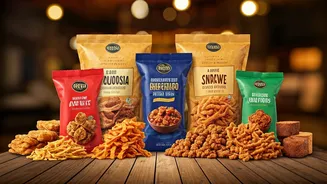
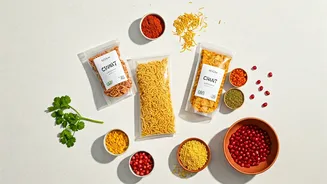
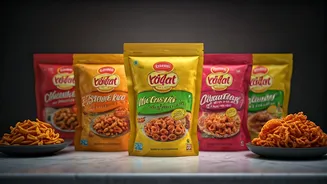
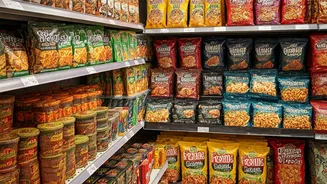
Enter the giants of the food industry. Companies like PepsiCo (with its Lay's brand), ITC (a massive Indian conglomerate), and homegrown snack titans like Haldiram's and Bikaji saw the opportunity. They realized the future wasn't about inventing entirely new flavors, but about expertly replicating the ones people already loved. The race was on to 'bottle the magic' of the street. Suddenly, supermarket aisles were flooded with potato chips flavored like “Dilli Chaat,” “Mumbai's Vada Pav,” and “Kolkata Street Chilli.” It wasn't just chips. The trend expanded into 'namkeen' (traditional savory snacks), frozen foods, and ready-to-eat meal kits. These products offered a powerful value proposition: the nostalgic, explosive taste of street food, delivered in a clean, sealed bag with a nutrition label and an expiration date. They were a direct response to the modern Indian consumer’s dilemma.
The Billion-Dollar Bet on 'Namkeen'
This isn't a niche trend; it's the central driving force in India’s enormous snack market. The traditional savory snack category, known as 'namkeen,' is a market worth billions of dollars and is growing at a double-digit pace. For years, this space was dominated by hundreds of thousands of small, unorganized players—the very street vendors and local shops that perfected the recipes. But the balance is shifting. The organized sector, led by the big brands, is capturing market share at an unprecedented rate, largely because of its success in mimicking regional and street-food-specific flavors. For a company like Lay's, launching a 'Masala Chaat' flavor isn't just a novelty; it's a strategic move to connect with deep-seated cultural tastes and compete directly with local favorites, moving their product from a generic snack to something that feels personal and regional.
What the Future Tastes Like
This shift is reshaping the entire food landscape. It's forcing legacy brands to innovate and localize, while pushing smaller, unorganized vendors to either adapt or risk being left behind. Some street vendors have even become brands themselves, franchising their stalls to meet the demand for their famous recipes in a more controlled, hygienic format. For the American consumer, this trend offers a glimpse into the sophisticated palate of the world's most populous nation, where 'spicy' is a universe of flavors, not a single note. It's a reminder that in a global market, the most powerful innovations often come not from a corporate boardroom, but from the humble, time-tested wisdom of the street.