



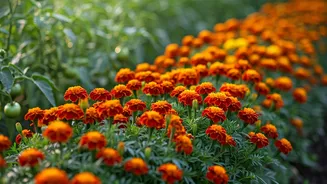


The Cheerful, Tough Protagonist
In the grand drama of a flower garden, some plants are divas. They demand perfect sun, precise watering, and faint at the first sign of adversity. Then there’s the marigold. It’s the dependable character actor that shows up, hits its marks every time,
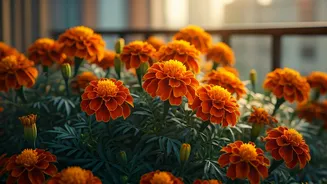
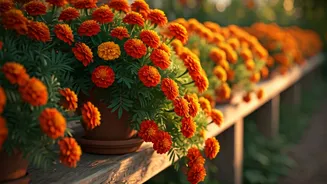
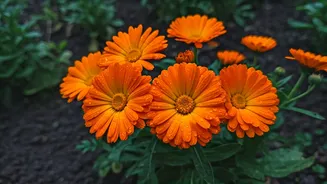
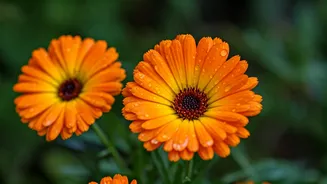
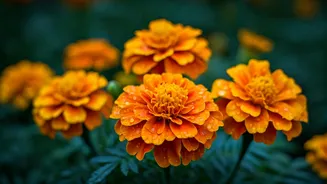
and steals the scene with sheer, unadulterated charisma. While more delicate blooms like petunias get beaten down by heavy rain, turning slimy and sad, the marigold’s sturdy stems and robust blossoms often stand tall. They are the floral equivalent of a bright yellow raincoat on a gray day—practical, cheerful, and impossible to ignore. This resilience is what gives them 'main character energy' just when the rest of the garden starts to fade into the background.
Why They Handle the Drama
Marigolds aren’t aquatic plants, but they are exceptionally forgiving. Their success in rainy months comes down to a combination of toughness and a preference for conditions we can easily provide. Originally from the Americas, they are adapted to a wide range of climates. While they thrive in full sun, they tolerate partial shade, a common feature of overcast, rainy spells. The key to their happiness during wet periods isn't a love of water, but their tolerance for it, provided they have one thing: good drainage. A marigold sitting in a waterlogged bog will suffer from root rot just like any other terrestrial plant. But in well-draining soil—whether in a container, a raised bed, or a properly prepared garden plot—they can handle frequent downpours without complaint, shaking off the water and getting right back to the business of blooming.
A Supporting Role: Pest Control
A true main character doesn't just look good; they make everyone around them better. Marigolds are famous for their role as companion plants, particularly in vegetable gardens. The scent of some varieties, especially French marigolds (Tagetes patula), is known to deter pests like nematodes—microscopic worms that attack the roots of tomatoes, peppers, and other vegetables. They can also help keep away rabbits and certain beetles. In rainy weather, when slugs and other damp-loving pests emerge, having a perimeter of pungent marigolds can be a gardener’s first line of defense. They’re not just a pretty face; they’re the garden’s hardworking, multitasking security guard.
Directing the Scene for Success
To ensure your marigolds give an award-winning performance all season long, you just need to provide a little direction. First, location is everything. Plant them where they will get at least six hours of sun, even if it’s filtered through clouds. Most importantly, focus on soil. If you have heavy clay soil that holds water, amend it with compost to improve drainage or plant your marigolds in pots with high-quality potting mix. Second, give them space. Good air circulation is critical to prevent fungal diseases like powdery mildew, which can crop up in damp, humid conditions. Don’t crowd your plants. Finally, deadhead them religiously. Pinching off the spent, wilted flowers tells the plant to produce more blooms instead of putting energy into seed production. This simple act will keep them churning out color from spring right through the first frost.
Casting the Right Variety
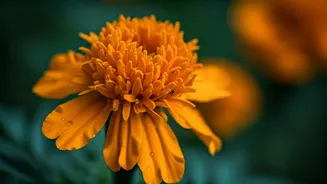
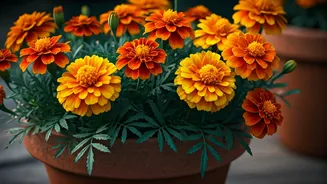
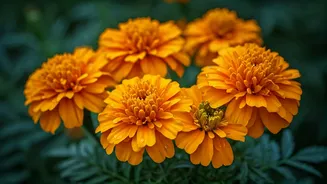
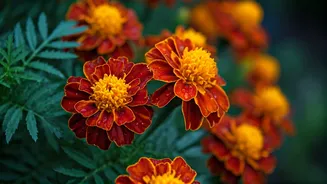
Not all marigolds are the same. Casting the right type for your garden’s ‘stage’ can make all the difference. French marigolds are compact, often bicolored, and work wonderfully as edging or in containers. They are also the best choice for pest deterrence. African marigolds (Tagetes erecta) are the giants, growing up to three or four feet tall with huge, globe-like flowers in shades of yellow, orange, and creamy white. They make a bold statement in the back of a border. Then there are Signet marigolds (Tagetes tenuifolia), which have delicate, lacy foliage and smaller, edible flowers with a citrusy scent. They are great for window boxes and adding a touch of whimsy. No matter the role, there’s a marigold ready for the part.