
The Cacophony Isn't Just Noise
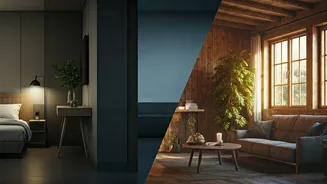
The problem with many hotels today isn’t just the audible noise—the thin walls, the rolling luggage at 6 a.m., the inexplicable slamming doors. It’s a deeper, more pervasive loudness that assaults the senses and frays the nerves. It’s the visual noise of
garish carpets, TVs perpetually tuned to a 24-hour news cycle, and lobbies designed to feel like bustling marketplaces. It’s the financial noise of the unexpected $50 “destination fee” and the $9 bottle of water. This brand of loudness is systemic. You are a room number, a transaction, a metric in an occupancy report. The experience is engineered for maximum throughput, not maximum peace. Even luxury hotels, with their hushed tones and plush surfaces, can feel performative and impersonal. The politeness is scripted, the amenities are standardized, and the human connection is often limited to a transactional smile across a marble counter. We check in, seeking refuge from our chaotic lives, only to find a different kind of chaos waiting for us.
Finding the Right Kind of Quiet
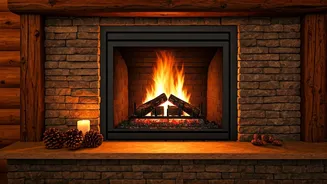
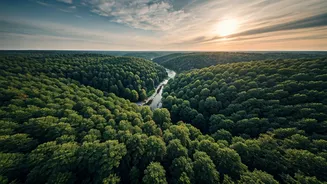
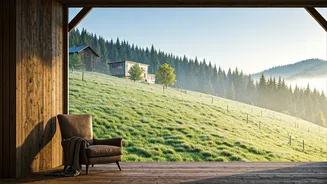
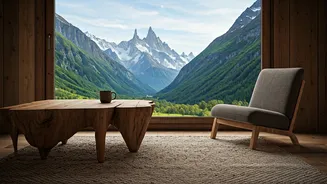
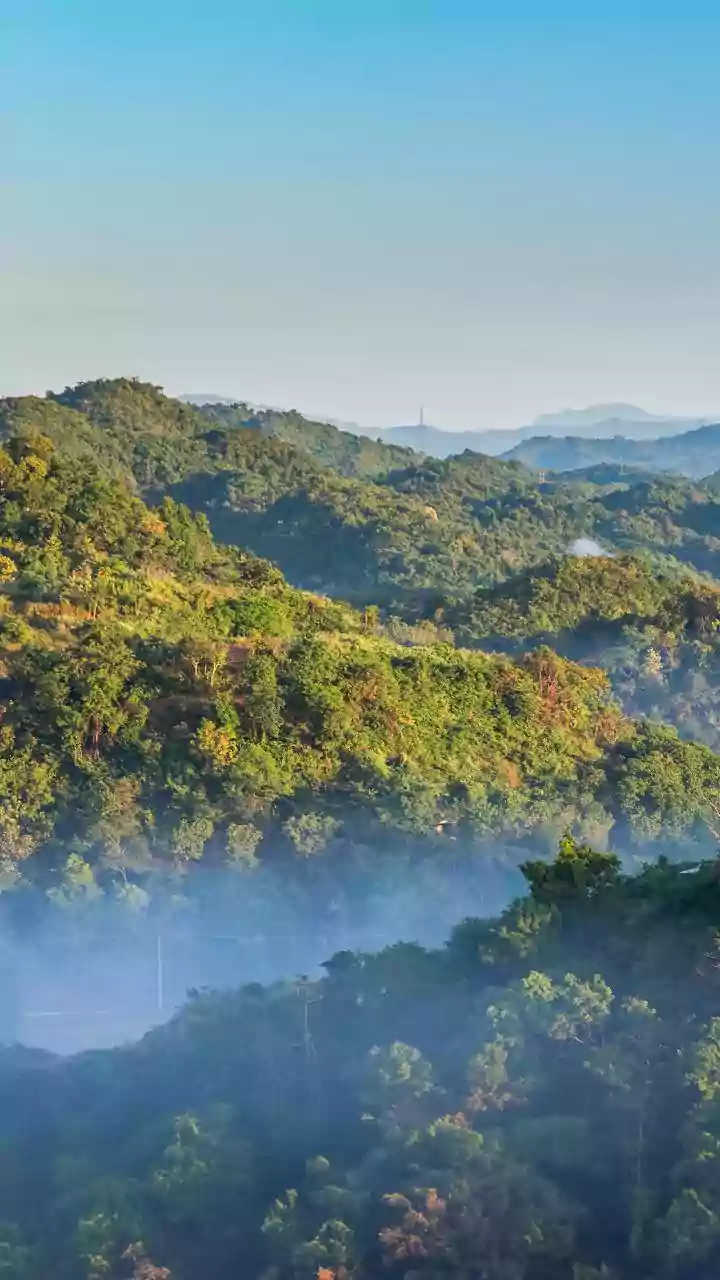
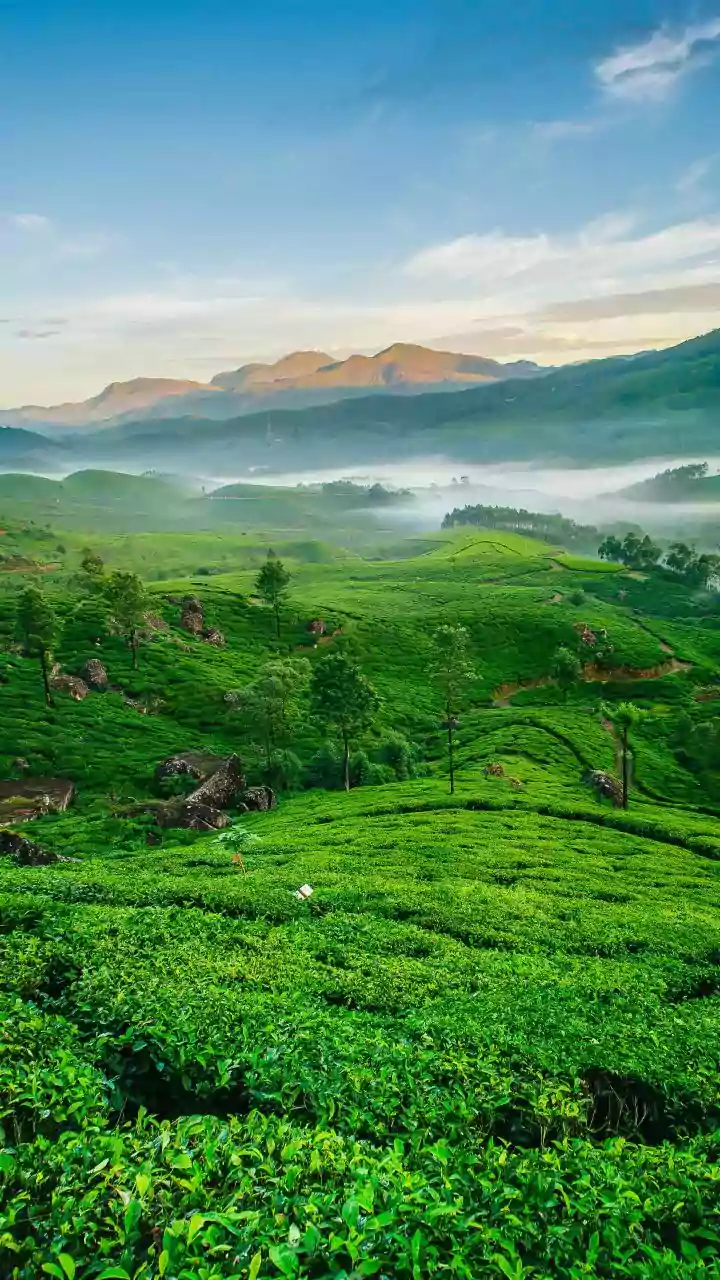
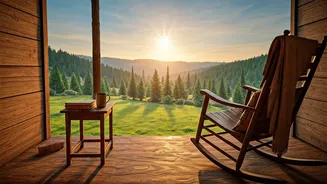
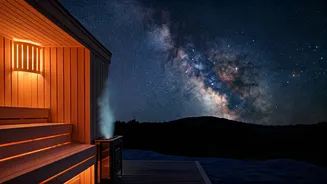
In contrast, the “hill homestay” isn’t just a location; it’s an ethos. It’s the small cabin in the Catskills, the renovated barn in Vermont, or the cottage overlooking a Virginia valley. The defining feature isn’t a list of amenities but a feeling of release. The silence here isn’t empty; it’s filled with the sound of wind in the trees, the crackle of a fire, and the distant call of a bird. It’s a quiet that allows you to hear your own thoughts again. These spaces feel “right” because they offer a sense of grounding and authenticity. The coffee mug you drink from was likely chosen by a person, not a procurement department. The welcome note on the table is handwritten. The view from the porch isn’t of a parking garage but of something that has been there for a thousand years. This isn’t about roughing it; many of these stays offer impeccable comfort. It’s about replacing the impersonal with the personal, the manufactured with the authentic.
An Escape for Our Burnout Era
This shift in preference isn’t happening in a vacuum. We live in an era of digital saturation and chronic burnout. Our jobs follow us home on our phones, our social lives are mediated through screens, and our public spaces are increasingly crowded and commercialized. The appeal of the hill homestay is a direct reaction to this reality. It’s a deliberate choice to unplug from the system that is overwhelming us. It represents a desire for what has become the ultimate luxury: privacy, autonomy, and an uncluttered mental space. In a hotel, you are a guest following house rules. In a homestay, you are a temporary resident, creating your own rhythm. You can cook breakfast at noon, read on the porch for five hours straight, or do absolutely nothing without feeling the pressure of a schedule or the presence of strangers. It’s a form of travel that is less about seeing and more about being.