



What You're Seeing Up There
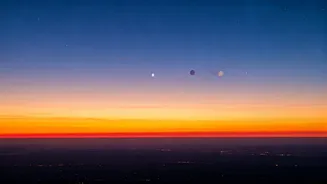
When astronomers talk about an “alignment,” they don’t mean the planets are forming a perfectly straight line in space. That's an event so rare it’s practically impossible. Instead, it refers to a visually stunning gathering of planets in the same small
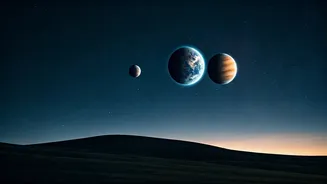
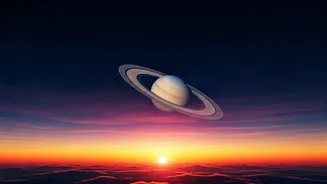
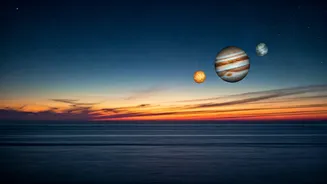
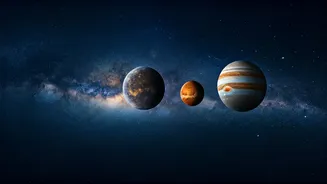
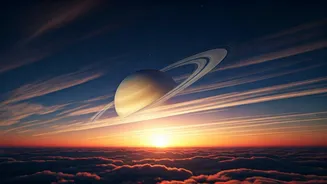
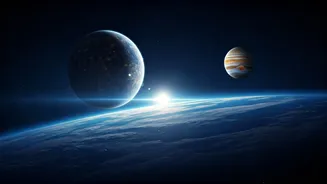
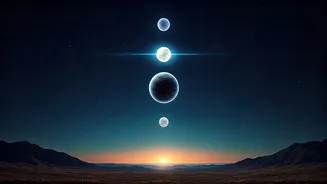
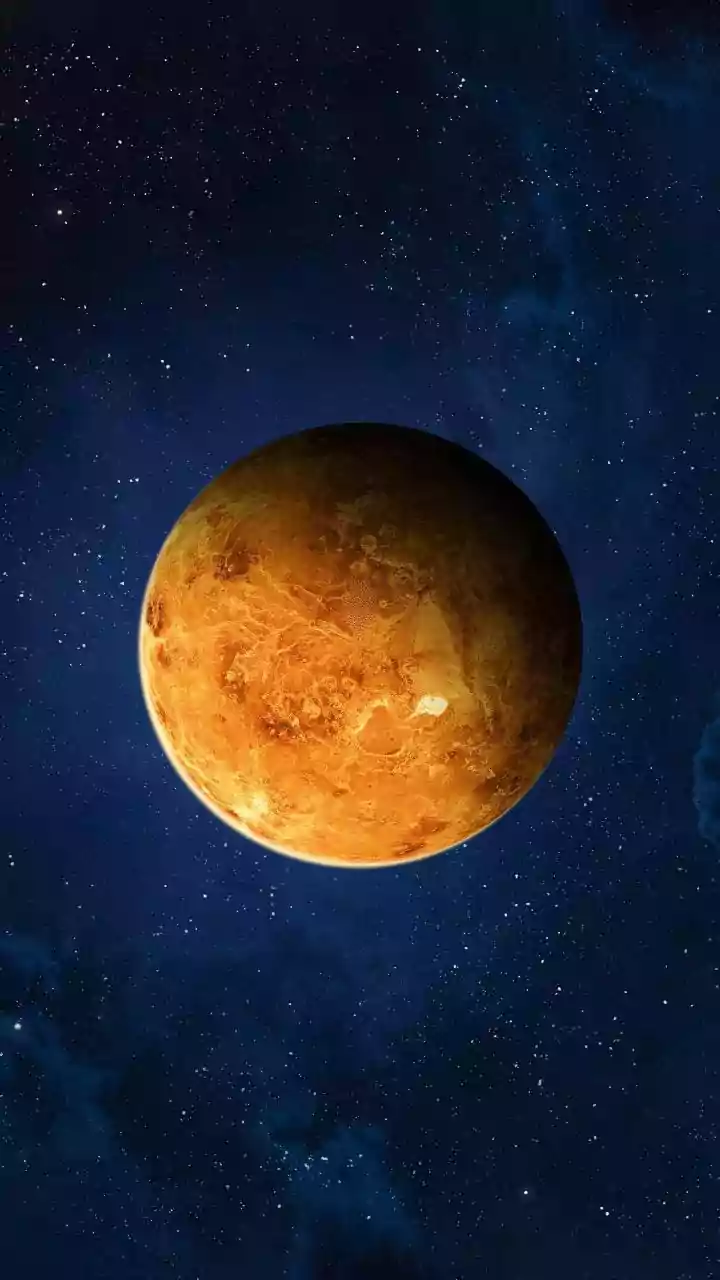
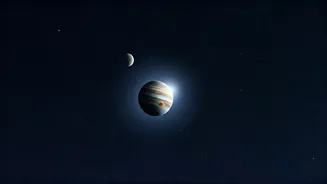
patch of sky from our perspective on Earth. Often called a conjunction or, more casually, a “planet parade,” this event brings multiple worlds into a single, beautiful frame. For this particular alignment, you’re likely seeing the bright trio of Mars, Jupiter, and Saturn. Mars is identifiable by its distinct reddish-orange hue, a dead giveaway of its iron-oxide-rich surface. Jupiter, the king of planets, will typically outshine everything else in the vicinity except for the Moon, appearing as a brilliant, steady beacon of light. And Saturn, famous for its rings (which you’ll need a telescope to see), will look like a bright, yellowish-white star that doesn’t twinkle.
When and Where to Look
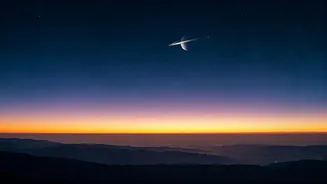
Timing and location are everything in stargazing. For an evening alignment like this one, your best viewing window begins about 30 to 60 minutes after sunset, during twilight. This is when the sky is dark enough to reveal the planets, but before they dip below the horizon. You’ll want to look toward the western sky, the same direction the sun just set. Finding a spot with a clear, unobstructed view of the horizon is crucial. Hills, trees, and tall buildings can easily block the show, especially if the planets are low in the sky. If you live in a city, the biggest challenge is light pollution. Head to a local park, a nearby sports field, or even the top floor of a parking garage to give your eyes a better chance. The farther you can get from the glow of city lights, the more spectacular the view will be. Give your eyes at least 15 minutes to adjust to the darkness; you’ll be amazed at what begins to appear.
Do You Need a Telescope?
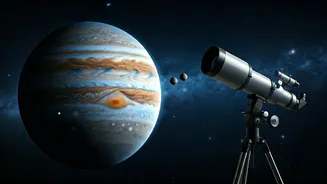
Absolutely not! The beauty of a major planetary alignment is its accessibility. This celestial spectacle is bright enough to be easily enjoyed with the naked eye. In fact, seeing the planets hang like ornaments in the wide expanse of the twilight sky is a uniquely powerful experience on its own. However, if you have a pair of binoculars, bring them along. Even a standard pair will dramatically enhance the view. With binoculars, you might be able to spot Jupiter’s four largest moons—Io, Europa, Ganymede, and Callisto—appearing as tiny pinpricks of light huddled close to the giant planet. It’s a breathtaking sight that Galileo first witnessed over 400 years ago. If you have a small telescope, you’ll be in for a real treat. A telescope will not only make Jupiter’s moons pop but could also reveal the planet’s faint cloud bands. And when pointed at Saturn, even a basic telescope can resolve its glorious rings, transforming a bright dot into one of the solar system’s most iconic sights.
Why This Moment is Special
While planetary alignments aren’t a once-in-a-lifetime occurrence, they are far from ordinary. These events serve as a beautiful, tangible reminder of our place in the solar system. We are on a moving platform—Earth—watching our planetary neighbors move in their own great orbits around the sun. For a brief period, those orbital paths bring them into a striking visual arrangement that has captivated humans for millennia. Ancient astronomers tracked these movements with meticulous care, building entire belief systems and calendars around them. Today, even with all our scientific knowledge, the simple act of seeing these worlds with our own eyes connects us to that long history of human curiosity. It’s a shared, universal experience that costs nothing and requires only that you step outside and look up. In a busy, often disconnected world, a celestial event like this offers a moment of collective wonder and a fresh perspective on the vast, clockwork universe we call home.