





The Sun-Drenched Cliché
Let’s be clear: Udaipur is never anything less than stunning. Known as the “City of Lakes” and the “Venice of the East,” this jewel of Rajasthan is built around a series of man-made lakes, with the grandest being Pichola. In the popular winter tourist
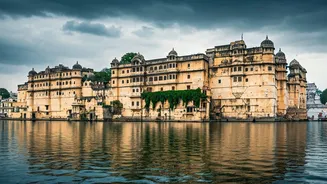
season, from October to March, the sun is relentless. It bakes the marble of the City Palace, glints off the white façade of the Lake Palace hotel (the famous floating palace, Jag Niwas), and casts harsh, deep shadows. The surrounding Aravalli Hills are typically a dusty brown, and the air is crisp and dry. It's beautiful, certainly. It’s the image sold in every travel brochure and on a million Instagram feeds. But this dazzling brightness can feel one-dimensional, a beauty that is almost too easy, too expected.
When the Sky Breaks
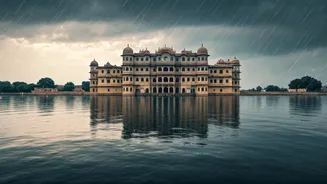
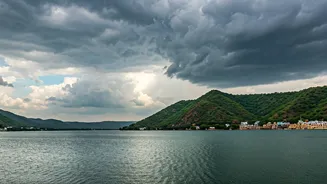
The magic begins in July. After months of searing heat, the first monsoon clouds gather over the Aravalli range. They don’t just bring rain; they bring a complete transformation. The first showers release the intoxicating scent of petrichor from the parched earth. A fine mist settles over the city, blurring sharp edges and creating an atmosphere of soft-focus romance. The entire color palette shifts. The harsh glare is replaced by a diffused, silvery light that makes the intricate details of the architecture stand out. The sky becomes a canvas of shifting grays, from dove to charcoal, providing a dramatic backdrop that the constant blue of winter simply cannot match. This is not just a weather event; it’s a city-wide sigh of relief.
A Lake Reborn
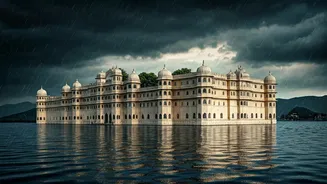
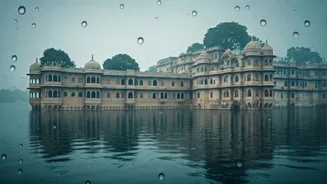
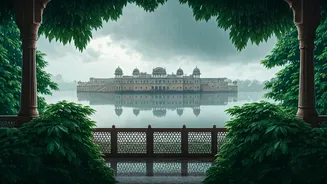
Under the monsoon sky, Lake Pichola awakens. During the dry season, the water level can recede, exposing the lake’s edges. But the rains replenish it, bringing it to the brim. The water, once a simple mirror for the blue sky, now becomes a complex, textured surface. Raindrops create a million tiny, concentric rings, and the reflection of the moody clouds gives the water a mysterious, brooding quality. The white marble of the Lake Palace and Jag Mandir, another island palace, seems to pop against the dark water and gray sky. The buildings lose their sun-bleached look and regain a sense of solid, ancient permanence. A boat ride on the lake during a light drizzle is an entirely different experience—more intimate, more atmospheric, and profoundly more memorable than a trip under the blazing sun.
A City in Emerald and Gold
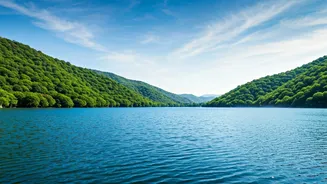
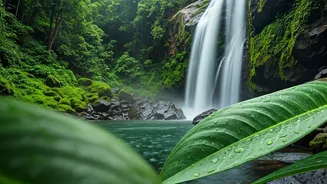
The transformation extends beyond the water. The arid Aravalli Hills, which form a protective ring around Udaipur, undergo a miraculous change. Within weeks, their dusty brown slopes are carpeted in a vibrant, almost fluorescent green. This sudden burst of life frames the city in a way that feels lush and impossibly verdant for a desert state like Rajasthan. The colors worn by the people also seem to shine brighter. The brilliant pinks, oranges, and yellows of women's saris, set against the backdrop of gray stone, green hills, and dark water, create a scene of breathtaking contrast. The gold leaf detailing on the palaces and havelis catches the soft light in a way that feels less like a glare and more like a warm, internal glow.
The Contemplative Pace
Perhaps the most compelling argument for the monsoon season is the change in pace. The peak season brings crowds, noise, and a relentless pressure to see and do everything. The monsoon, considered the “off-season,” ushers in a quieter, more contemplative mood. There are fewer tourists jostling for photos. You can find a seat at a lakeside café and watch the rain sweep across the water without interruption. The rhythm of the city slows down. It becomes a place not just to be seen, but to be experienced. The sound of rain on a marble rooftop, the taste of hot chai on a cool, damp afternoon, the feeling of the mist on your face—these are the subtle, sensory details that define the monsoon experience and reveal a deeper, more poetic side of Udaipur.